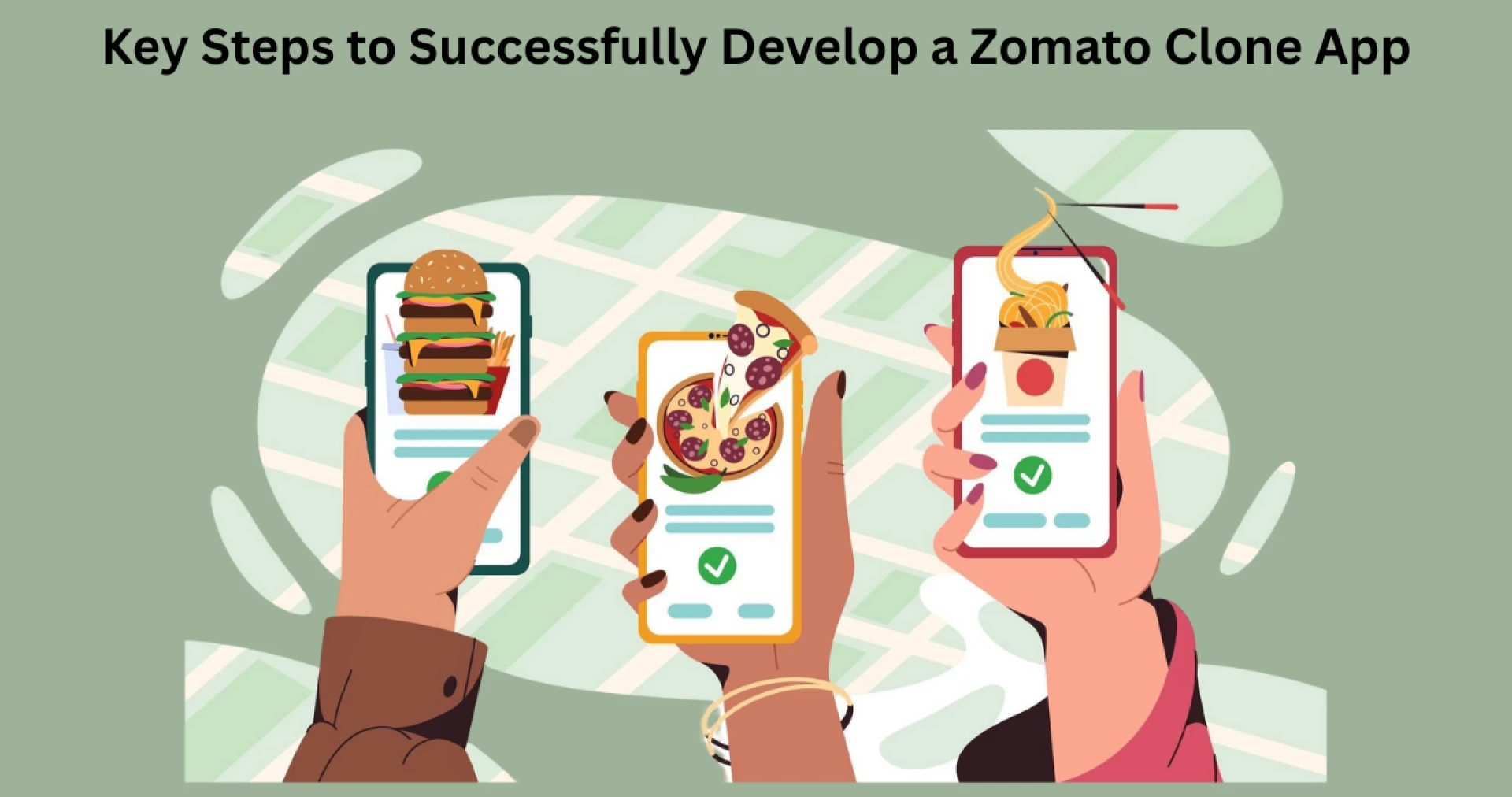

The booming food delivery market has created massive opportunities for entrepreneurs. A Zomato clone app offers an ideal platform to launch a food delivery business quickly and efficiently. However, to stand out and succeed, you must approach the development process strategically. This guide outlines the key steps to successfully build a Zomato clone app.
Why Choose a Zomato Clone App?
A Zomato clone app provides a ready-to-launch solution that saves time, reduces costs, and offers proven functionalities. Entrepreneurs can customize the clone to fit their unique business needs while leveraging a tried-and-tested model that users already trust.
Step 1: Research and Plan
Before beginning development, it’s essential to conduct thorough market research.
Analyze the Market
Study your competitors and understand what features users love and what gaps exist. Identify your target audience and understand their needs.
Define Your Unique Value Proposition
Decide how your app will differ from existing food delivery apps. It could be through faster delivery, better restaurant partnerships, or innovative features.
Choose a Revenue Model
Pick how your platform will earn money — commissions from restaurants, delivery fees, ads, premium listings, or subscription models.
Step 2: Finalize Features and Functionalities
A successful Zomato clone app must offer robust features for customers, restaurants, delivery agents, and admins.
Must-Have Features
- Customer Side: Restaurant search, order tracking, secure payments, reviews.
- Restaurant Side: Menu management, order alerts, earnings dashboard.
- Delivery Agent Side: Order acceptance, real-time navigation, delivery status updates.
- Admin Panel: Manage users, orders, analytics, commissions, and promotions.
Advanced Features
- Loyalty programs
- Push notifications
- AI-based food recommendations
- Multi-language and multi-currency support
Step 3: Choose the Right Technology Stack
Selecting the right technology ensures your app’s performance, scalability, and security.
- Frontend: React Native or Flutter for mobile; React.js for web.
- Backend: Node.js, Django, or Laravel.
- Database: PostgreSQL, MongoDB.
- Cloud Hosting: AWS, Google Cloud.
- Payment Gateway: Stripe, Razorpay, or PayPal.
Choosing scalable technologies will make it easier to handle future user growth.
Step 4: UI/UX Design
Focus on Simplicity
Create an intuitive, clean, and engaging user interface. Ensure users can find restaurants, place orders, and track deliveries effortlessly.
Read More: How Much Does It Cost to Develop an App Like Zomato in 2024?
Consistent Branding
Use a consistent color palette, logo, and typography that align with your brand identity.
Mobile-First Approach
Since most food delivery orders are placed via smartphones, optimize the UI/UX for mobile devices.
Step 5: Develop the App
Now it’s time to turn your plan into reality.
Frontend and Backend Development
Develop both the customer-facing and internal functionalities. Integrate APIs for payments, location tracking, and push notifications.
Real-Time Features
Use socket programming for real-time order updates, driver tracking, and in-app chats between customers, restaurants, and drivers.
Admin Dashboard
Build a comprehensive admin dashboard for complete business control, including user management, restaurant onboarding, and analytics monitoring.
Step 6: Test Thoroughly
Testing ensures your app delivers a seamless user experience.
Types of Testing
- Functional Testing: Ensure every feature works as intended.
- Performance Testing: App should handle high traffic without delays.
- Security Testing: Protect user data and payment information.
- Usability Testing: Identify areas where users might face difficulties.
Conduct testing across multiple devices and operating systems for maximum compatibility.
Step 7: Launch and Market
A successful launch strategy is crucial for gaining early traction.
Beta Launch
Release a beta version to a limited audience to gather real-world feedback and make necessary adjustments.
Full Launch
Launch the app officially once major bugs and issues have been addressed.
Marketing Strategy
- Leverage social media campaigns
- Partner with popular local restaurants
- Offer discounts and referral rewards
- Collaborate with influencers for maximum reach
Step 8: Collect Feedback and Update
Building an app is not a one-time task. Regular updates based on user feedback are necessary to stay competitive.
Monitor Analytics
Track user behavior, popular restaurants, order volumes, and delivery times to gain valuable insights.
Improve and Innovate
Add new features, fix bugs promptly, and continuously improve the user experience based on feedback and analytics.
Step 9: Focus on Business Growth
Once your app gains traction, focus on scaling operations.
Expand Geographically
Move into new neighborhoods, cities, or even regions based on demand.
Build Strong Relationships
Maintain good partnerships with restaurants and delivery partners to ensure service quality.
Invest in Customer Retention
Introduce loyalty programs, personalized offers, and customer support systems to increase user retention.
Conclusion
Developing a Zomato clone app is an excellent opportunity for entrepreneurs aiming to enter the food delivery market. By following the right steps — from research and planning to launch and scaling — you can build a successful and scalable food delivery platform. A professional on-demand app development company can help you create a robust, customizable, and high-performing Zomato clone app tailored to your business needs.
With the right approach, technology, and business strategies, your food delivery app can achieve long-term success in this highly competitive industry.






















Sign in to leave a comment.