

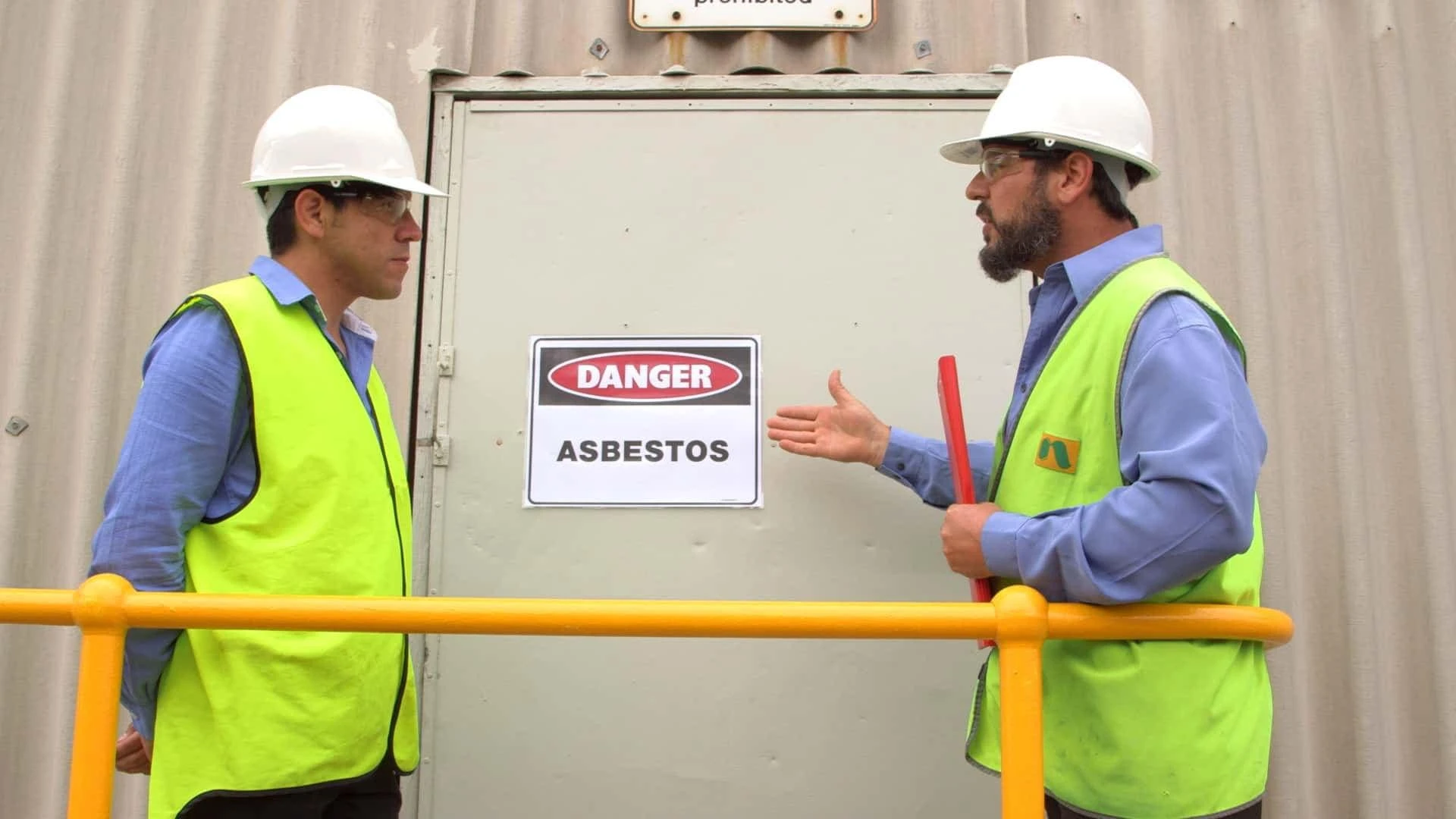
Asbestos is a material that has been utilized extensively in construction and manufacturing due to its fire-resistant properties. However, the health risks associated with asbestos exposure have led to its decline in use and a growing emphasis on safety training. An asbestos awareness training course serves as a vital tool for educating employees and stakeholders on the potential dangers of asbestos, the legal responsibilities surrounding its handling, and the necessary preventive measures. This article delves into the key topics that are typically covered in such training courses, ensuring that participants are well-equipped to recognize and manage asbestos-related risks in their environments.
Understanding Asbestos: Properties and Uses
To navigate the complexities of asbestos awareness, it is crucial for participants to first understand what asbestos is. Comprising a group of naturally occurring silicate minerals, asbestos is known for its durability, resistance to heat, and insulating properties. Historically, it was commonly used in various products, including roofing materials, insulation, fireproofing, and even automotive parts. The versatility of asbestos made it a popular choice across multiple industries.
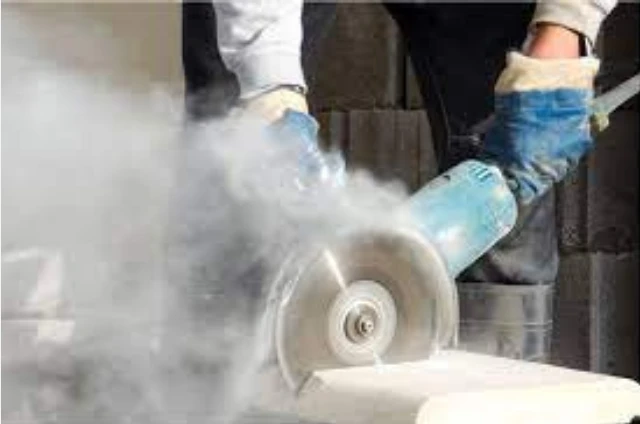
However, the very properties that made asbestos valuable also contributed to its notoriety. When disturbed, asbestos fibers can become airborne and, when inhaled, can lead to serious health issues, including asbestosis, lung cancer, and mesothelioma. Consequently, understanding the historical context of asbestos usage and the potential health hazards associated with exposure is one of the foundational elements of an asbestos awareness training course.
Legal Framework and Regulations
Another critical topic covered in an asbestos awareness training course is the legal framework surrounding asbestos management. Various regulations exist to protect workers and the general public from the hazards of asbestos exposure. In many jurisdictions, laws dictate how asbestos must be handled, including guidelines for its removal, disposal, and reporting.
Participants learn about the Occupational Safety and Health Administration (OSHA) standards and Environmental Protection Agency (EPA) regulations, which set forth requirements for asbestos management in the workplace. Understanding these legal obligations is essential for employers and employees alike, as non-compliance can result in severe penalties and, more importantly, pose risks to health and safety.
Identifying Asbestos Materials
Recognizing the types of materials that may contain asbestos is a central focus of the training. Various building materials can harbor asbestos, from older ceiling tiles and floor coverings to insulation and textured coatings. Participants are trained to identify the common signs of asbestos-containing materials (ACMs) and understand when professional assessment and remediation are necessary.
Knowledge of the specific contexts in which asbestos may be found allows workers to take appropriate precautions when engaging in renovation or demolition activities. This proactive approach not only enhances safety but also fosters a culture of awareness in the workplace.
Health Risks and Symptoms of Asbestos Exposure
Understanding the health risks associated with asbestos exposure is pivotal for effective training. Participants are educated about the latency period of asbestos-related diseases, which can take years or even decades to manifest after initial exposure. This often leads to individuals underestimating the dangers of asbestos, making comprehensive education on potential symptoms paramount.
Training includes information on the signs and symptoms of asbestos-related diseases, such as persistent coughing, chest pain, and difficulty breathing. By recognizing these symptoms early on, individuals can seek medical attention promptly, potentially improving their outcomes.
Safe Work Practices and Emergency Procedures
The training course also emphasizes the importance of safe work practices when dealing with asbestos. Participants are taught about the use of personal protective equipment (PPE), including respirators, gloves, and protective clothing. Understanding how to use and maintain this equipment effectively is crucial for minimizing exposure during work activities.
Moreover, the course outlines emergency procedures in the event of accidental asbestos disturbance. Knowing how to respond quickly and effectively to potential exposure not only protects the individual but also safeguards coworkers and the wider community. This includes knowledge about evacuation protocols, reporting incidents, and contacting appropriate authorities for assistance.
Asbestos Management Plans and Responsibilities
A significant component of an asbestos awareness training course is the development and implementation of asbestos management plans. Participants learn the importance of creating a comprehensive plan that outlines how to manage asbestos in the workplace, including regular inspections, maintenance protocols, and training requirements.
The course also highlights the responsibilities of various stakeholders, from employers to employees, in ensuring that asbestos management plans are followed effectively. Understanding these roles fosters accountability and encourages a collaborative approach to safety.
Best Practices for Asbestos Removal and Disposal
For those in industries where asbestos removal may be necessary, the training covers best practices for safely conducting removal and disposal activities. This includes understanding the legal requirements for hiring licensed professionals and adhering to established removal protocols.
Participants are informed about the importance of proper disposal methods to minimize environmental contamination and health risks. Learning how to handle asbestos waste safely is essential for anyone involved in construction, renovation, or maintenance work.
Conclusion
An asbestos awareness training course serves as an essential resource for equipping individuals with the knowledge and skills needed to recognize and manage asbestos-related risks effectively. By covering critical topics such as the properties and uses of asbestos, legal regulations, identification of ACMs, health risks, safe work practices, and management plans, participants can foster a safer work environment.
Investing in thorough training not only complies with legal obligations but also demonstrates a commitment to health and safety. For organizations seeking top-notch training, NATAS ASBESTOS: TRAINING LTD offers comprehensive programs tailored to meet your needs. Elevate your workplace safety standards and protect your team today!



























Sign in to leave a comment.