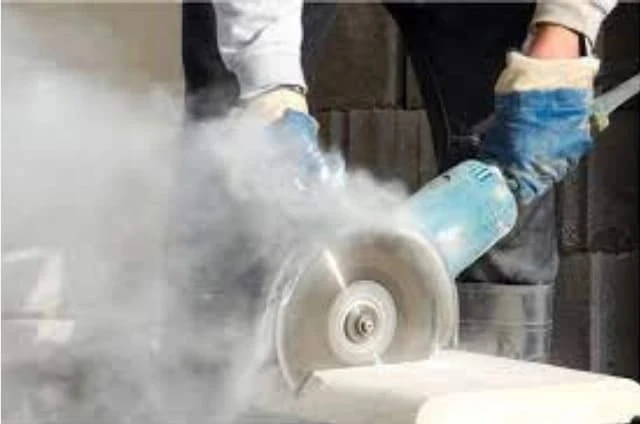

In various industries, particularly construction, mining, and manufacturing, the presence of silica dust is a significant health hazard that often goes unnoticed. Understanding the implications of silica dust and the necessity for awareness is crucial for the safety of workers and the general public. Silica dust, primarily composed of fine particles from quartz, can lead to severe health issues, including respiratory diseases and silicosis. This article delves into the reasons why silica dust awareness matters and how it can safeguard health and well-being.
The Invisible Threat of Silica Dust
Silica dust is often termed an "invisible killer," as it cannot be seen or easily detected. When materials containing silica, such as concrete, stone, and mortar, are disturbed through processes like cutting, grinding, or drilling, fine particles are released into the air. These minute particles can be inhaled, leading to chronic health conditions. The occupational exposure to silica dust remains a pressing issue, as many workers are unknowingly subjected to unsafe levels of exposure.
According to the National Institute for Occupational Safety and Health (NIOSH), even short-term exposure to silica dust can have detrimental effects on lung health. Prolonged exposure increases the risk of developing silicosis, a progressive lung disease characterized by inflammation and scarring of lung tissue. This condition can result in severe respiratory complications, significantly impacting the quality of life. Furthermore, research has indicated a heightened risk of lung cancer among individuals exposed to silica dust over extended periods. Hence, raising awareness about silica dust and its associated health risks is vital for both employees and employers.
Recognizing the Symptoms and Risks
The symptoms of silica dust exposure may not manifest immediately, making it crucial to foster silica dust awareness among workers. Symptoms can include persistent coughing, shortness of breath, chest pain, and fatigue. Over time, these symptoms may worsen, leading to more severe health complications. The insidious nature of silica dust exposure often results in individuals being unaware of their condition until it progresses significantly.
It is essential to recognize that the risks associated with silica dust are not confined to those who work directly with silica-containing materials. Secondary exposure can occur when silica dust is carried home on clothing or equipment, inadvertently affecting family members. Thus, promoting silica dust awareness extends beyond the workplace, emphasizing the need for comprehensive training and education for all individuals who may come into contact with silica dust.
Implementing Protective Measures
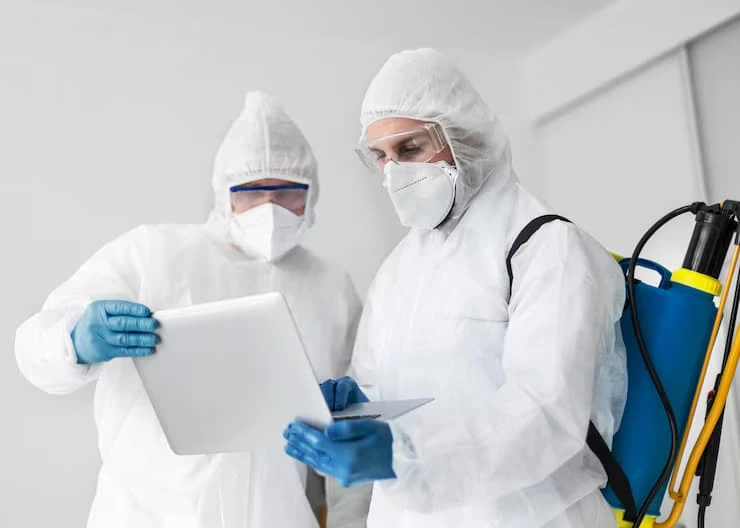
To combat the hazards of silica dust, implementing protective measures is paramount. Employers bear the responsibility of ensuring a safe working environment by providing adequate training and resources. This includes educating workers about the dangers of silica dust, proper use of personal protective equipment (PPE), and the importance of regular air monitoring to assess silica levels in the workplace.
Effective control measures, such as water suppression systems, ventilation, and wet cutting techniques, can substantially reduce silica dust exposure. Additionally, the use of high-efficiency particulate air (HEPA) filters in vacuums and air filtration systems can help capture airborne silica particles. Employers must also develop and enforce a comprehensive respiratory protection program, ensuring that workers are equipped with appropriate respirators when exposure levels exceed permissible limits.
Creating a culture of safety within the workplace is essential for sustaining silica dust awareness. Regular training sessions, workshops, and safety meetings can reinforce the importance of recognizing and addressing silica dust hazards. Engaging workers in discussions about safety practices fosters a sense of ownership and accountability, ultimately contributing to a safer work environment.
The Role of Regulations and Guidelines
In many countries, regulatory bodies have established guidelines to mitigate silica dust exposure in the workplace. For instance, the Occupational Safety and Health Administration (OSHA) has set permissible exposure limits (PELs) for silica dust, mandating employers to monitor and control exposure levels. However, it is imperative for organizations to go beyond mere compliance with regulations and actively promote a culture of safety through silica dust awareness.
Regularly reviewing and updating safety protocols is essential to ensure alignment with the latest regulations and best practices. Employers should stay informed about advancements in research and technology related to silica dust exposure. By fostering a proactive safety culture, organizations can minimize the risks associated with silica dust and prioritize the health and well-being of their employees.
Conclusion
The significance of silica dust awareness cannot be overstated. By recognizing the health risks associated with silica dust, implementing protective measures, and adhering to regulatory guidelines, employers can create safer work environments. It is essential to foster a culture of safety through education, training, and open communication about silica dust hazards.
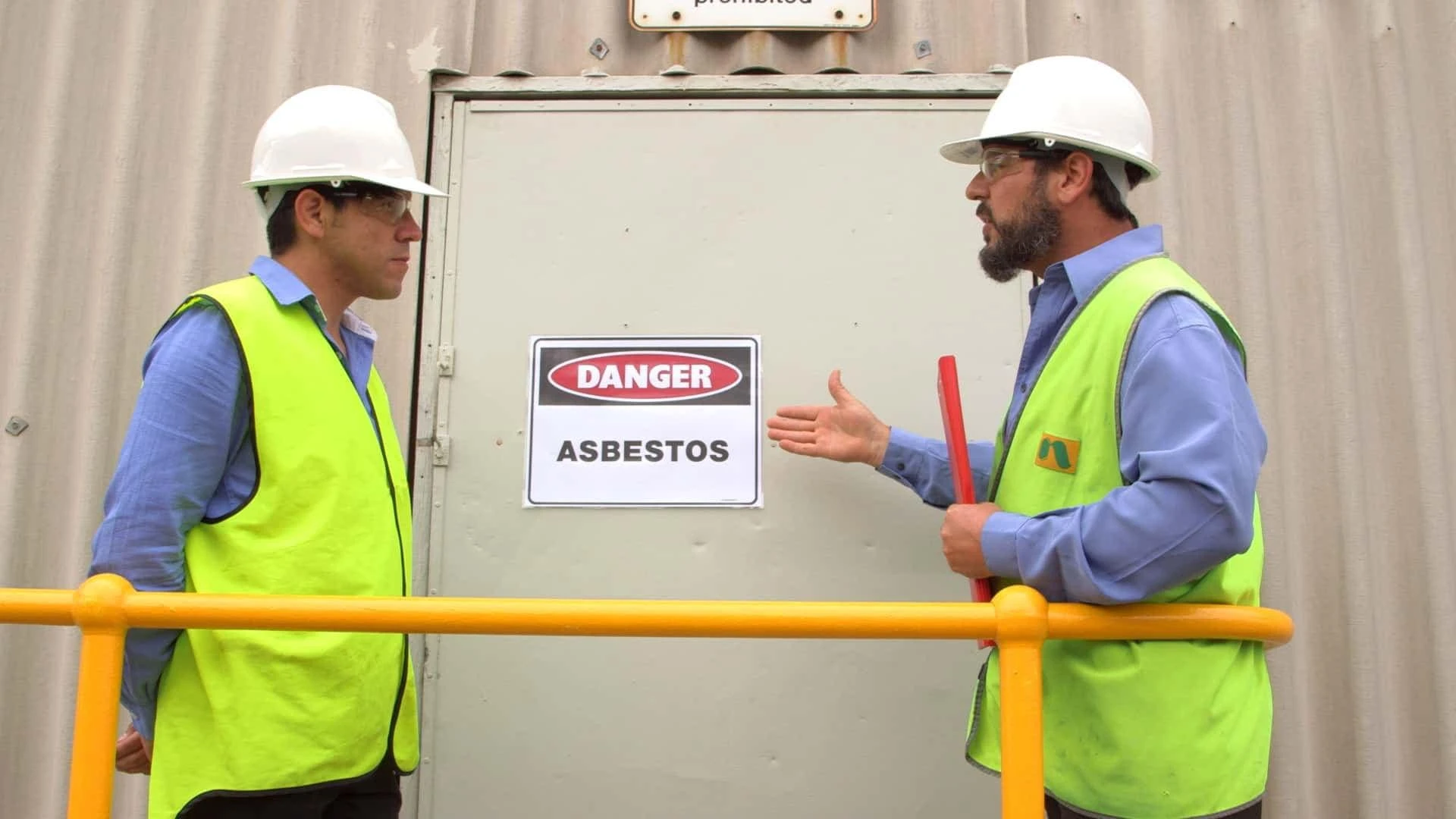
As we advance towards safer work practices, it is crucial to prioritize health and safety above all. For comprehensive training and resources on asbestos and silica dust awareness, consider partnering with NATAS ASBESTOS: TRAINING LTD. Together, we can ensure a safer future for all workers. Take action now and invest in the health and safety of your workforce!

























Sign in to leave a comment.