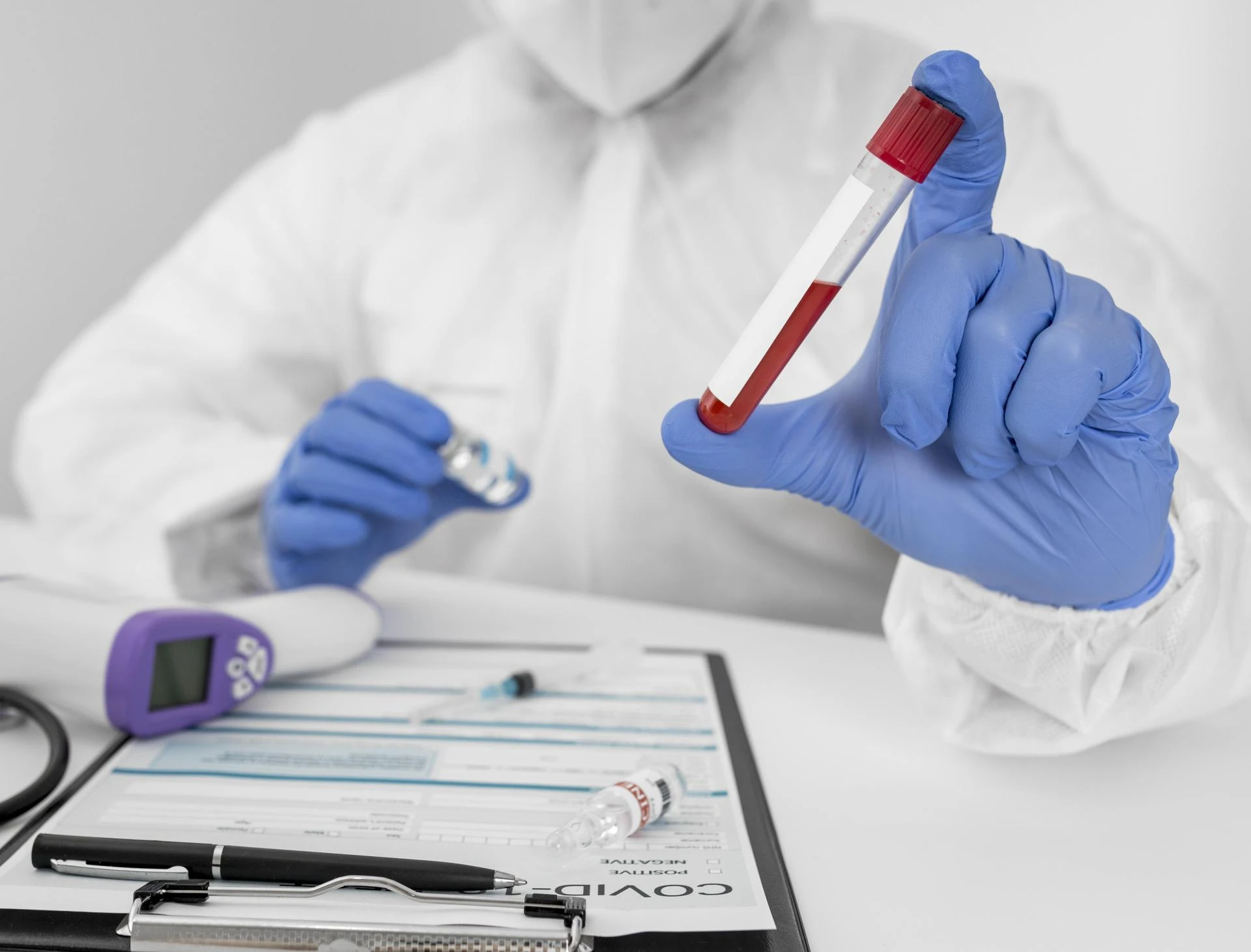

The kidneys play a vital role in maintaining overall health by filtering waste products, balancing fluids, regulating blood pressure, and supporting red blood cell production. A Kidney Function Test (KFT) is a group of blood and urine tests designed to assess how well your kidneys are working and to detect any early signs of kidney disease.
Regular kidney function testing is especially important because kidney problems often develop silently, showing noticeable symptoms only in later stages.
What Is a Kidney Function Test?
A Kidney Function Test evaluates how efficiently the kidneys filter waste from the blood and maintain the body’s internal balance. These tests help doctors diagnose kidney disease, monitor existing kidney conditions, and assess the impact of medications or chronic illnesses such as diabetes and hypertension.
Key Components of a Kidney Function Test
1. Serum Creatinine
Creatinine is a waste product formed from muscle metabolism. Elevated creatinine levels in the blood may indicate reduced kidney function.
2. Blood Urea Nitrogen (BUN)
BUN measures the amount of nitrogen in the blood that comes from urea, another waste product. High BUN levels can suggest impaired kidney performance or dehydration.
3. Estimated Glomerular Filtration Rate (eGFR)
eGFR is one of the most important indicators of kidney health. It estimates how well the kidneys are filtering blood and helps determine the stage of kidney disease, if present.
4. Urine Tests
Urine tests check for protein, blood, or other abnormalities. The presence of protein in urine (proteinuria) is often an early sign of kidney damage.
5. Electrolyte Levels
Kidneys regulate electrolytes such as sodium, potassium, and chloride. Imbalances may point to kidney dysfunction.
Who Should Get a Kidney Function Test?
Kidney function testing is recommended for:
- People with diabetes or high blood pressure
- Individuals with a family history of kidney disease
- Those experiencing symptoms like swelling, fatigue, or changes in urination
- People on long-term medications that may affect kidney health
- Adults undergoing routine preventive health checkups
Many diagnostic providers, including Kuon Healthcare, include kidney function tests as part of comprehensive health screening packages.
How Often Should Kidney Function Be Tested?
For healthy individuals, a kidney function test may be done annually as part of routine blood work. People with risk factors or existing kidney conditions may need more frequent monitoring, as advised by their healthcare provider.
Preparing for a Kidney Function Test
Preparation is usually simple:
- You may be asked to fast for a few hours before the test
- Stay well-hydrated unless instructed otherwise
- Inform your doctor about any medications or supplements you are taking
Following preparation guidelines helps ensure accurate results.
Final Thoughts
A Kidney Function Test is a simple yet powerful tool for protecting long-term health. Since kidney disease often progresses without early warning signs, regular testing allows for timely detection, better disease management, and prevention of complications. Whether as part of routine screening or ongoing medical care, keeping track of kidney health is an essential step toward overall wellness.




























Sign in to leave a comment.