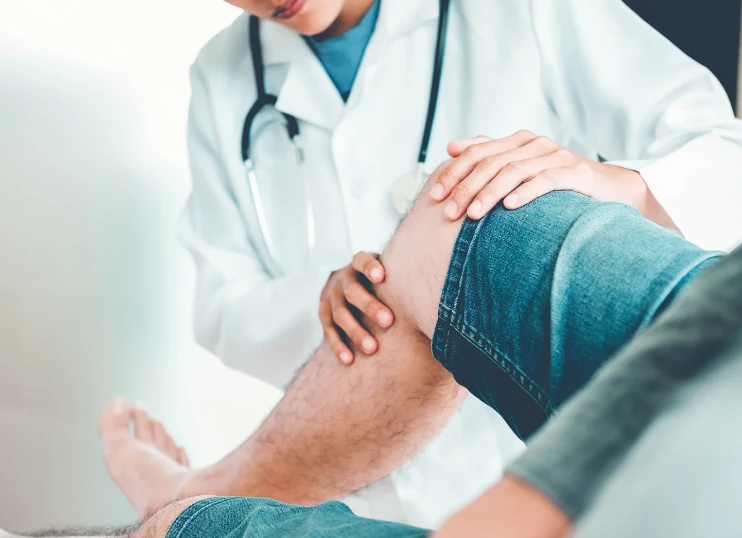

Knee pain is a common issue that affects people of all ages, often interfering with daily activities and overall quality of life. Whether caused by injury, overuse, or underlying medical conditions, knee pain can be debilitating. Fortunately, various knee pain treatment options are available to help alleviate discomfort and restore function. In this article, we'll explore the causes of knee pain, discuss different treatment methods, and offer tips for preventing knee pain.
Understanding Knee Pain
The knee is a complex joint that bears the weight of the body and allows for movement such as walking, running, and jumping. Knee pain can result from:
Injuries: Ligament tears (like ACL or MCL injuries), meniscus tears, fractures, and dislocations.Arthritis: Osteoarthritis, rheumatoid arthritis, and other types of arthritis can cause inflammation and pain.Overuse: Repetitive activities, improper training techniques, or sudden increases in activity levels can lead to conditions like tendinitis and bursitis.Mechanical Problems: Issues such as a dislocated kneecap or hip or foot pain can affect how you walk and strain your knee joint.Other Medical Conditions: Infections, gout, and other systemic conditions can also cause knee pain.Knee Pain Treatment Options
Rest and Activity Modification:
Rest: Avoid activities that worsen the pain. Give your knee time to heal.Ice: Applying ice packs can reduce swelling and numb the pain.Compression: Using an elastic bandage can help control swelling.Elevation: Keep your knee elevated to reduce swelling.Medications:
Over-the-Counter Pain Relievers: Nonsteroidal anti-inflammatory drugs (NSAIDs) like ibuprofen can help reduce pain and inflammation.Prescription Medications: For more severe pain, doctors may prescribe stronger pain relievers or anti-inflammatory medications.Physical Therapy:
Exercises: Strengthening the muscles around the knee can provide support and reduce pain.Stretching: Flexibility exercises can improve the range of motion and prevent stiffness.Manual Therapy: Techniques like massage and mobilization can help improve function.Injections:
Corticosteroid Injections: These can reduce inflammation and provide temporary pain relief.Hyaluronic Acid Injections: Used to lubricate the knee joint, these injections can relieve pain in cases of osteoarthritis.Surgery:
Arthroscopic Surgery: Minimally invasive surgery to repair damage within the knee.Partial Knee Replacement: Replacing only the damaged part of the knee.Total Knee Replacement: Replacing the entire knee joint with an artificial one.Alternative Therapies:
Acupuncture: Some people find relief through acupuncture treatments.Chiropractic Care: Aligning the body properly can sometimes alleviate knee pain.Preventing Knee Pain
Maintain a Healthy Weight: Excess weight puts additional stress on your knees.Stay Active: Regular exercise strengthens muscles and maintains joint health.Warm Up and Cool Down: Properly prepare your body for physical activity to prevent injuries.Wear Appropriate Shoes: Supportive footwear can help align your body correctly.Use Proper Techniques: When exercising or lifting, use proper techniques to avoid unnecessary strain on your knees.Conclusion
Knee pain treatment is essential for maintaining an active and healthy lifestyle. By understanding the causes of knee pain and exploring various treatment options, you can find the most effective solution for relief and recovery. Whether through rest, medication, physical therapy, or surgical intervention, addressing knee pain promptly can help you regain mobility and improve your quality of life. If you're experiencing knee pain, consult with a healthcare professional to determine the best knee pain treatment plan for your needs.




























Sign in to leave a comment.