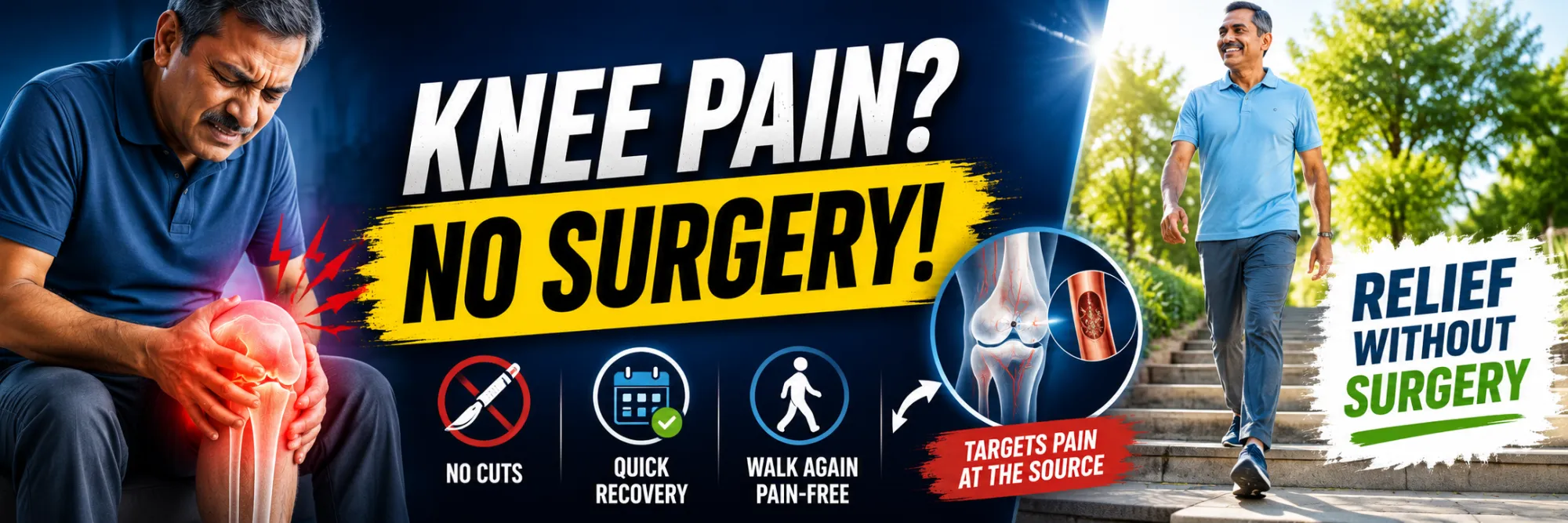

Every step shouldn't feel like a struggle. Yet for millions of people living with chronic knee pain, climbing stairs, getting out of a chair, going for a walk, or even standing for long periods can become increasingly difficult. Many patients are told that surgery may eventually be necessary, leaving them worried about recovery time, complications, and the impact on their daily lives. The good news is that surgery is not always the first or only option. Today, many patients are exploring knee pain treatment without surgery India to find effective relief while avoiding major procedures.
As medical technology continues to advance, non-surgical treatments are helping patients manage knee pain, improve mobility, and return to the activities they enjoy. Understanding the available options can help you make informed decisions about your treatment journey.
Why Does Chronic Knee Pain Develop?
Knee pain can occur for many reasons, but one of the most common causes is osteoarthritis.
Over time, the cartilage that cushions the knee joint gradually wears down. As this happens, inflammation increases, movement becomes more difficult, and pain can become a daily problem.
Other possible causes of chronic knee pain include:
- Age-related joint degeneration
- Previous knee injuries
- Excess body weight
- Repetitive strain
- Inflammatory conditions
- Sports-related damage
Regardless of the cause, persistent knee pain can significantly affect quality of life.
Many people begin avoiding activities they once enjoyed because they fear triggering knee pain.
Signs That Knee Pain May Need Medical Attention
Occasional discomfort after physical activity is common, but persistent symptoms should not be ignored.
Common warning signs include:
- Pain while walking
- Difficulty climbing stairs
- Knee stiffness
- Swelling around the joint
- Reduced mobility
- Pain during daily activities
- Difficulty standing for long periods
When symptoms begin interfering with everyday life, professional evaluation becomes important.
Why Many Patients Want to Avoid Surgery?
While knee replacement surgery can be beneficial in certain situations, many patients prefer exploring non-surgical options first.
Common concerns include:
Recovery Time
Surgery often requires significant rehabilitation and recovery.
Fear of Complications
Patients may worry about infection, blood clots, or other surgical risks.
Work and Lifestyle Disruption
Recovery may require extended time away from work and daily responsibilities.
Age and Health Factors
Some patients may not be ideal surgical candidates because of other medical conditions.
For many people, finding an effective treatment that does not involve major surgery is a top priority.
What Non-Surgical Treatments Are Available?
Several non-surgical approaches may help manage chronic knee pain.
Lifestyle Modifications
Weight management and activity adjustments can reduce stress on the knee joint.
Physical Therapy
Targeted exercises may help strengthen muscles around the knee and improve stability.
Pain Medications
Medication can provide temporary symptom relief, although it may not address the underlying cause of pain.
Injections
Certain injection-based therapies may help reduce inflammation and discomfort.
Advanced Minimally Invasive Treatments
Modern image-guided procedures are creating new opportunities for patients seeking alternatives to surgery.
Understanding Genicular Artery Embolization (GAE)
One of the emerging non-surgical treatments for chronic knee pain is Genicular Artery Embolization (GAE).
This minimally invasive procedure is designed to target abnormal blood vessels associated with inflammation inside the knee joint.
The treatment is performed using image-guided techniques that allow specialists to precisely identify and treat the affected blood vessels.
By reducing inflammation, many patients experience improvements in pain and mobility.
GAE is attracting attention because it addresses a source of inflammation rather than simply masking symptoms.
Benefits of Non-Surgical Knee Pain Treatment
Patients often choose non-surgical treatment because of several potential advantages.
No Major Surgical Incisions
Minimally invasive procedures typically require only small access points.
Faster Recovery
Recovery is often significantly shorter than traditional surgery.
Preservation of the Natural Joint
Many treatments focus on improving symptoms without replacing the knee joint.
Reduced Hospital Stay
Some procedures may be performed with minimal hospitalization.
Improved Daily Function
Reducing pain can make walking, exercising, and daily activities more comfortable.
Who May Be a Candidate?
Not every patient is a suitable candidate for every treatment.
However, non-surgical options may be considered for individuals who:
- Have chronic knee pain
- Experience symptoms from osteoarthritis
- Want to avoid surgery
- Have not achieved adequate relief from conservative treatment
- Are looking for minimally invasive alternatives
A thorough evaluation is necessary to determine the most appropriate treatment approach.
Why Early Treatment Matters?
Many people delay seeking treatment because they assume knee pain is simply part of aging.
Unfortunately, symptoms often worsen over time.
Early intervention may help:
- Improve mobility
- Reduce pain severity
- Maintain an active lifestyle
- Delay disease progression
- Improve overall quality of life
Addressing symptoms early often provides more treatment options and better outcomes.
Why Patients Are Exploring Advanced Knee Pain Treatments in India?
India has become a preferred destination for advanced orthopedic and interventional pain treatments.
Patients benefit from:
Experienced Specialists
Many centers have extensive experience treating chronic joint pain.
Modern Technology
Advanced imaging systems help improve treatment precision.
Comprehensive Care
Patients receive support from diagnosis through recovery.
Cost-Effective Treatment
Many advanced procedures are available at lower costs compared to several international healthcare systems.
What Results Can Patients Expect?
Treatment outcomes vary depending on the cause of pain, overall health, and the selected procedure.
Many patients seek treatment with goals such as:
- Reduced pain levels
- Improved mobility
- Better ability to perform daily activities
- Greater independence
- Enhanced quality of life
While results differ from person to person, appropriate treatment can make a meaningful difference.
FAQs
Can knee pain be treated without surgery?
Yes. Many patients benefit from physical therapy, medications, injections, and minimally invasive procedures without requiring surgery.
What is Genicular Artery Embolization?
GAE is a minimally invasive procedure that targets abnormal blood vessels associated with knee inflammation.
Is non-surgical treatment effective for knee osteoarthritis?
Many patients experience symptom improvement with appropriate non-surgical treatment options.
Who is a candidate for non-surgical knee pain treatment?
Suitability depends on the underlying cause of pain, symptom severity, and overall health.
When should I see a specialist?
You should seek evaluation if knee pain persists, worsens, or begins affecting your daily activities.
Conclusion
Chronic knee pain does not automatically mean surgery is your only option. Advances in minimally invasive treatment are helping many patients reduce pain, improve mobility, and continue living active lives without undergoing major procedures. If you're exploring modern solutions for persistent knee pain, visit Flowcare to learn more about advanced treatment options that may help you move more comfortably and confidently.






























Sign in to leave a comment.