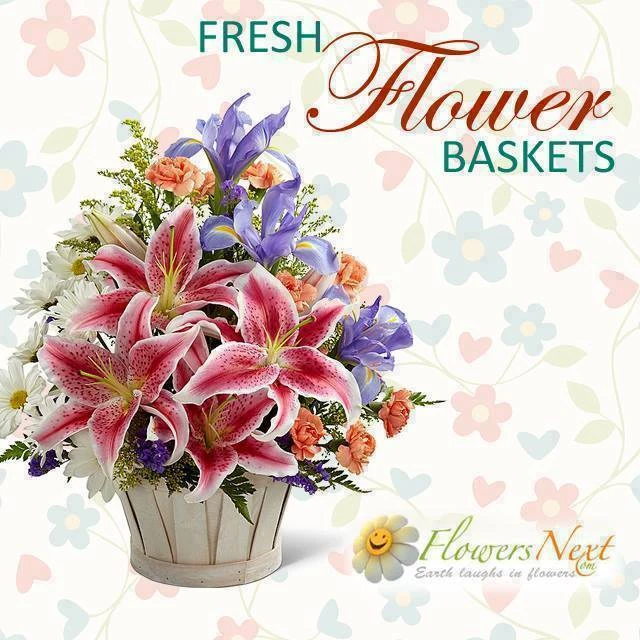

Flowers have been a part of Korean culture for centuries, symbolizing various sentiments, traditions, and occasions. In Korea, the language of flowers, known as "hwa-soo," is deeply ingrained in everyday life. Whether you're sending flowers for a celebration, expressing condolences, or simply extending warm wishes, understanding Korean flower etiquette is essential to convey your message correctly. In this article, we'll explore some essential tips for sending flowers to Korea while respecting local customs and traditions.
Know the Meaning of FlowersIn Korea, each type of flower carries its own symbolic meaning. Before sending flowers, it's crucial to understand the significance of the blooms you choose. For example, red roses symbolize love, while white chrysanthemums are associated with mourning. Research the meanings of flowers to ensure your bouquet aligns with your intended message
Avoid Odd NumbersIn Korean culture, odd numbers are traditionally associated with funerals and are considered inauspicious for celebratory occasions. When sending flowers for joyous events like birthdays, weddings, or graduations, opt for even numbers, such as 6, 8, or 10 stems. Odd numbers are acceptable when expressing condolences.
Appropriate Colors MatterThe color of the flowers also carries significance in Korean flower etiquette. Red, pink, and yellow are cheerful and suitable for celebrations, while white and blue are reserved for funerals. Be mindful of the occasion when selecting the color of your bouquet.
Presentation MattersThe presentation of flowers is important in Korean culture. Bouquets are typically wrapped in colorful paper or cloth and may include decorative ribbons. Pay attention to the wrapping and presentation, as it adds to the overall message and sentiment of the gift.
Include a Message CardWhen sending flowers in Korea, it's customary to include a message card with a handwritten note. This personal touch allows you to convey your feelings and well-wishes directly to the recipient. Take the time to craft a heartfelt message to accompany your bouquet.
Be PunctualKorean culture values punctuality, so ensure that your flowers arrive on time for the occasion. Late deliveries may be seen as a lack of respect and consideration.
Respect Funeral Flower EtiquetteIf you're sending flowers for a funeral or memorial service, it's essential to follow specific guidelines. White chrysanthemums are the traditional choice for funerals, and the bouquet should be sent to the bereaved family's home rather than the funeral venue. Avoid including any congratulatory or celebratory messages.
Consider Professional FloristsTo ensure your send flowers to Korea cheap flower etiquette, consider using professional florists in Korea. They are well-versed in local customs and can help you select appropriate flowers and arrangements for any occasion.
Mind Gift-Giving SeasonsKorean holidays and festivals often involve gift-giving, including flowers. Major gift-giving seasons include Chuseok (Korean Thanksgiving), Seollal (Lunar New Year), and White Day. Sending flowers during these times is a thoughtful way to participate in Korean traditions.
Be Mindful of Personal PreferenceWhile adhering to traditional flower etiquette is essential, it's also important to consider the recipient's personal preferences. If you know the recipient has a favorite flower or color, incorporating these elements into your bouquet can make your gesture even more meaningful.
Sending flowers in Korea is a beautiful way to convey your feelings and show your respect for Korean customs and traditions. By understanding the symbolism of flowers, following appropriate etiquette, and adding a personal touch, you can ensure that your floral gift resonates with the recipient and leaves a positive impression. So, whether you're celebrating a joyous occasion or expressing condolences, let the language of flowers help you convey your heartfelt message in the land of the morning calm.

























Sign in to leave a comment.