
Introduction
Wedding bands and eternity rings are designed for constant wear, making durability, comfort, and craftsmanship just as important as sparkle. A lab grown diamond is increasingly chosen for these styles because it offers visual brilliance with modern sourcing. However, buying diamond-set bands requires a different approach than selecting a single-stone ring.
Why Wedding Bands Need Special Consideration
Unlike solitaire rings, wedding bands and eternity rings feature multiple stones set closely together. This means more prongs, more exposed edges, and a higher chance of wear over time. Choosing the right structure ensures that a lab grown diamond band remains secure and comfortable throughout daily use.
Choosing the Right Stone Size
Stone size plays a major role in comfort and longevity. Smaller stones generally perform better for everyday wear, while larger stones are better suited for occasional or statement pieces.
Practical sizing guidance:
- Small stones offer smooth, low-profile comfor
- Medium stones balance sparkle and wearability
- Large stones require stronger metal support
A lab grown diamond band should feel natural on the hand, not bulky or restrictive.
Setting Styles and Their Impact
The setting determines how well stones are protected.
Common setting options include:
- Prong settings: Maximum sparkle, but require regular inspection
- Channel settings: Stones are protected within metal rails
- Bezel settings: Secure and smooth, ideal for active lifestyle
For long-term wear, many buyers prefer safer settings that reduce snagging while keeping the lab grown diamond secure.
Metal Choice and Band Structure
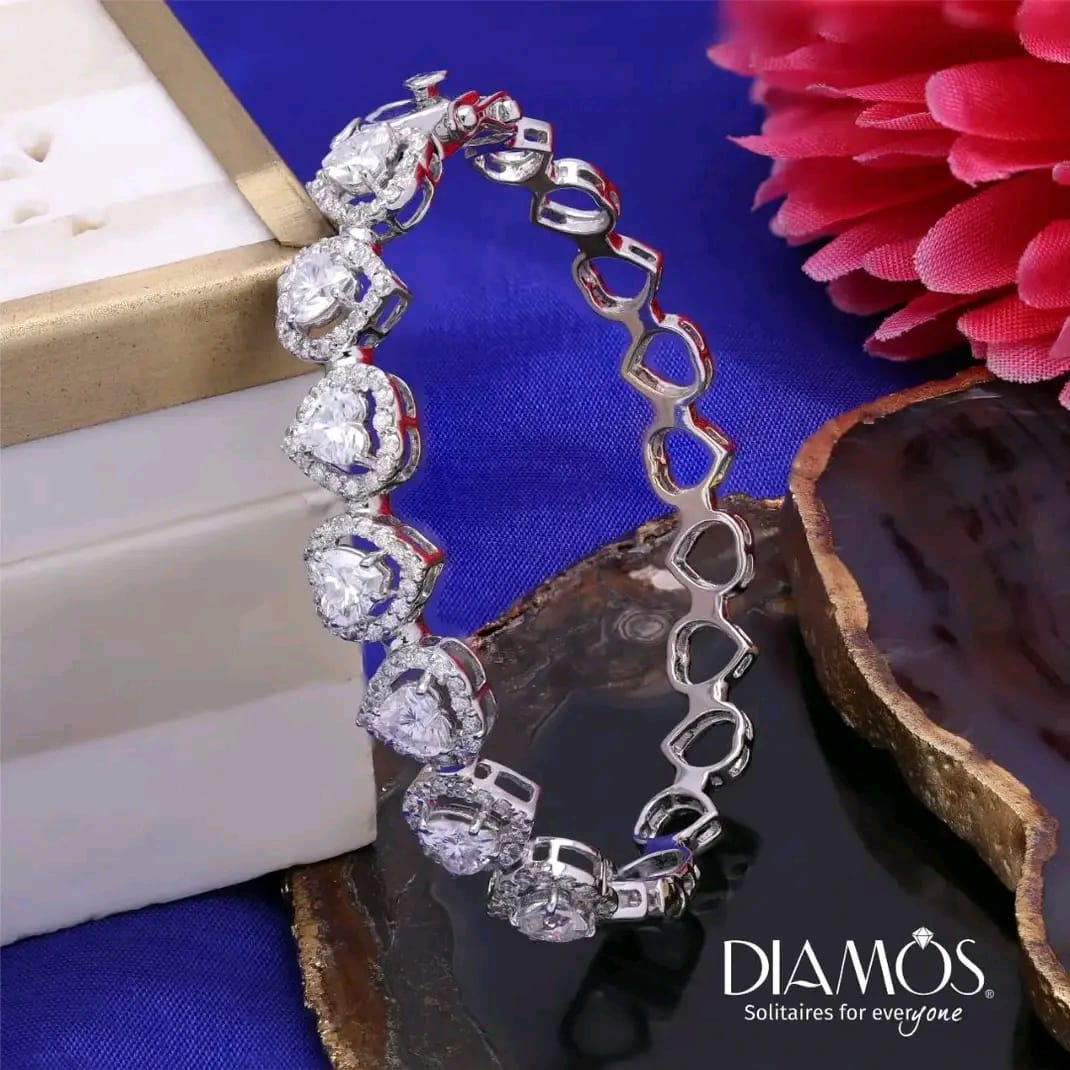
Metal thickness and quality matter more in bands than in other jewellery styles. Thin bands may bend or loosen over time, especially when set with diamonds. Gold and platinum are popular because they allow future resizing and repairs without compromising structure.
A well-constructed band enhances the appearance and durability of every lab grown diamond it holds.
Comfort and Daily Wear Factors
Comfort-fit interiors with rounded edges reduce pressure and irritation. Full eternity rings may feel rigid, while half-eternity designs allow more flexibility. Buyers should consider how often the ring will be worn and whether comfort outweighs visual symmetry.
Matching With Engagement Rings
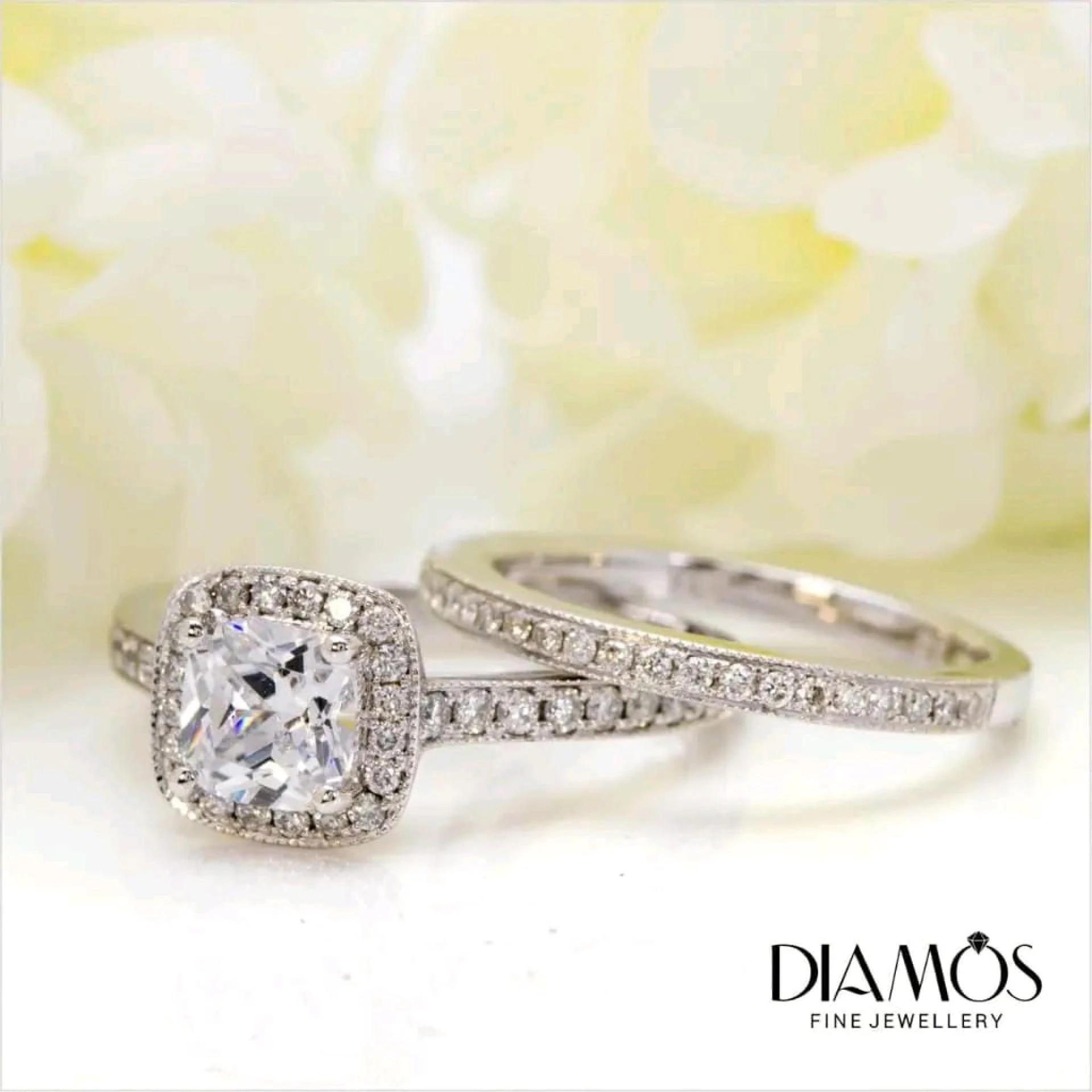
When pairing bands with engagement rings, alignment matters. Differences in height, setting style, or metal tone can cause friction or uneven wear. Planning both rings together helps protect the lab grown diamond band and ensures a cohesive look.
Maintenance and Long-Term Care
Regular inspections help identify loose stones early. Cleaning removes buildup that dulls sparkle, while polishing maintains metal finish. Proper care keeps a lab grown diamond wedding band looking refined for years.
Careful craftsmanship also affects long-term value. Well-finished edges, consistent stone spacing, and balanced weight distribution improve durability while maintaining a refined appearance through years of regular wear.
Conclusion
Wedding bands and eternity rings demand thoughtful design choices. With secure settings, appropriate stone sizing, durable metal construction, and comfort-focused design, a lab grown diamond band can deliver lasting beauty and everyday practicality. Prioritising structure and wearability ensures elegance that stands the test of time.






















Sign in to leave a comment.