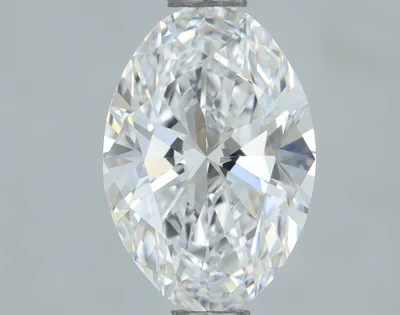

The jewelry industry has experienced significant innovation in recent years, and lab grown diamonds are at the center of this transformation. These diamonds combine scientific advancements with traditional craftsmanship to produce gemstones that are visually identical to natural diamonds. As awareness grows, more consumers are discovering the advantages of choosing lab grown diamonds for their jewelry purchases.
Defining Lab Grown Diamonds
Lab grown diamonds are genuine diamonds produced in advanced laboratories using highly controlled processes. Instead of forming naturally beneath the Earth's surface over billions of years, these diamonds are created in weeks by replicating the same environmental conditions that produce natural diamonds.
Despite their different origin, lab grown diamonds possess the same chemical composition and physical properties as mined diamonds. They are equally durable and maintain the same brilliance, making them suitable for everyday jewelry.
The Science Behind Their Creation
The creation of lab grown diamonds involves sophisticated scientific techniques. High Pressure High Temperature technology recreates the intense pressure and heat found deep within the Earth. Chemical Vapor Deposition uses carbon based gases to gradually build diamond crystals on a small diamond seed.
Once the crystal has fully formed, it is cut and polished by expert artisans. The final diamond is then graded based on the four Cs to determine its quality and value. This process ensures transparency and consistency for buyers.
Why Lab Grown Diamonds Are Gaining Popularity
One of the most significant factors driving the popularity of lab grown diamonds is their cost advantage. Because they do not require extensive mining operations, they are typically more affordable than natural diamonds of comparable quality.
Environmental considerations also play a role in their growing demand. Lab grown diamonds reduce the need for large scale mining activities, which can affect ecosystems and landscapes. For buyers who prioritize sustainability, this makes lab grown diamonds an attractive option.
Another benefit is the wide range of designs available. Jewelers can incorporate lab grown diamonds into many types of jewelry, allowing customers to choose pieces that match their personal style.
Applications in Modern Jewelry
Lab grown diamonds are commonly used in engagement rings, wedding bands, and everyday fashion jewelry. Their availability in different shapes and sizes allows designers to experiment with innovative styles and settings.
As technology continues to improve, the quality and accessibility of lab grown diamonds are expected to increase. This trend is likely to make them an even more important part of the global jewelry industry in the years ahead.
Conclusion
Lab grown diamonds offer a combination of beauty, innovation, and responsible sourcing that appeals to modern consumers. They provide the same sparkle and durability as natural diamonds while offering advantages in affordability and sustainability.
For those interested in exploring elegant lab grown diamond jewelry, 47 Jewelry offers carefully crafted collections that highlight both style and quality. Their designs showcase how lab grown diamonds can bring timeless beauty and modern craftsmanship together in a single piece of jewelry.





























Sign in to leave a comment.