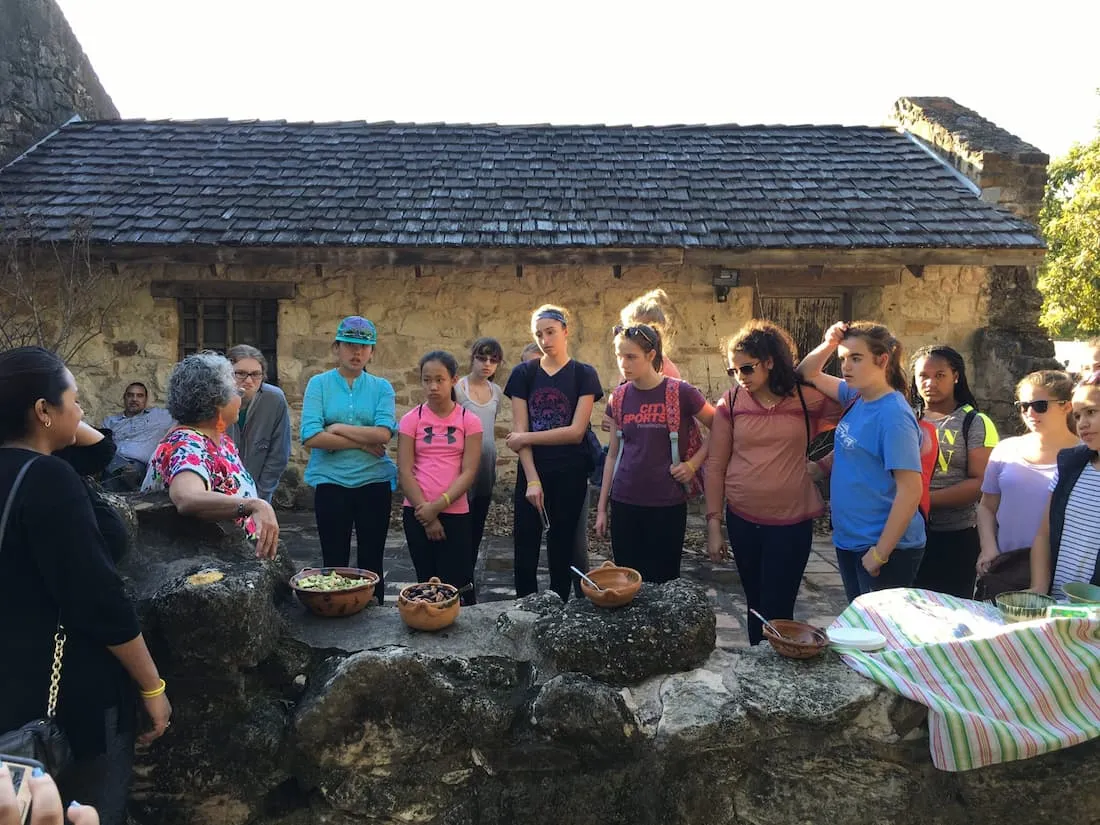

Learning a new language becomes significantly more effective when students experience it in authentic everyday situations rather than relying only on classroom instruction. Real conversations, cultural interactions, and practical experiences help learners understand both language and culture more naturally. Participating in language immersion trips for students provides valuable opportunities to strengthen communication skills while developing confidence through meaningful experiences. These educational journeys encourage cultural understanding, academic growth, and personal development, allowing students to connect with people from different backgrounds while building lifelong language abilities.
The Importance of Language Immersion in Education
Language immersion has become an essential educational approach because it encourages students to learn through active participation. Instead of memorizing vocabulary and grammar in isolation, learners use the language while interacting with local communities, educators, and fellow students. This practical approach improves comprehension and communication while making language learning more enjoyable and memorable. Students quickly recognize how language serves as a bridge for understanding different cultures and building meaningful relationships.
Immersion experiences also help learners overcome the fear of making mistakes. Regular conversations in supportive environments encourage students to practice confidently without worrying about perfect pronunciation or grammar. As communication becomes more natural, learners develop greater fluency and stronger listening skills. These improvements continue benefiting students long after they return home, supporting both academic success and personal confidence.
Academic Benefits of Language Immersion Trips
Strengthening Language Proficiency
Language immersion allows students to practice reading, writing, listening, and speaking in real situations throughout each day. Everyday activities such as ordering meals, asking questions, participating in educational workshops, and exploring local communities provide constant opportunities to apply classroom knowledge. These practical experiences improve vocabulary retention while helping learners understand natural pronunciation and conversational expressions.
Students also develop stronger comprehension because they hear the language used in authentic contexts. Instead of focusing only on textbook examples, they observe how native speakers communicate during everyday interactions. This exposure strengthens language fluency while encouraging learners to think directly in the target language rather than translating every sentence from their native language.
Supporting Better Academic Performance
The benefits of language immersion extend beyond language learning itself. Students often develop stronger concentration, memory, and analytical thinking because they regularly process new vocabulary and communication patterns. These cognitive improvements contribute positively to overall academic performance across various subjects, including literature, history, geography, and social studies.
Immersion experiences also encourage greater classroom participation after students return home. Increased confidence allows learners to contribute actively during discussions, presentations, and collaborative projects. Teachers frequently observe greater motivation among students who have experienced practical language learning because they understand the real value of multilingual communication.
Building Communication Skills Through Real Experiences
Learning Through Daily Conversations
One of the greatest strengths of language immersion trips is the opportunity to communicate naturally throughout the day. Students engage in conversations with local residents, guides, educators, and fellow travelers while participating in educational activities. These interactions help learners become comfortable expressing ideas, asking questions, and responding confidently in different situations.
Daily conversations also expose students to different speaking styles, accents, and cultural expressions. This variety strengthens listening comprehension while helping learners understand how language changes depending on context. Continuous practice makes communication feel more natural and encourages students to participate more actively in future language learning opportunities.
Developing Effective Listening Skills
Successful communication depends not only on speaking but also on careful listening. Language immersion encourages students to pay close attention to pronunciation, tone, and context during conversations with native speakers. This consistent listening practice improves comprehension while helping learners respond more accurately and confidently.
Students also become skilled at interpreting nonverbal communication, including gestures, facial expressions, and body language. These additional communication skills help learners understand messages even when unfamiliar vocabulary is used. As listening abilities improve, students become more comfortable participating in conversations and educational activities conducted in the target language.
Cultural Understanding Through Language Learning
Discovering Local Traditions
Language and culture are closely connected, making cultural exploration an important part of every immersion experience. Students learn about traditions, celebrations, cuisine, music, and historical customs while using the language in meaningful situations. These authentic experiences provide valuable context that helps learners understand why certain expressions, customs, and communication styles exist within a culture.
Participating in local traditions also encourages greater appreciation for cultural diversity. Students discover that language reflects history, values, and community identity. This understanding strengthens respect for different cultures while inspiring curiosity about global traditions and perspectives that extend beyond classroom learning.
Appreciating Cultural Diversity
Exposure to different cultures encourages students to become more open minded and respectful of diversity. They observe how people communicate, celebrate, solve problems, and interact within their communities. These experiences broaden perspectives while helping learners recognize both cultural differences and shared human values.
Cultural appreciation also strengthens empathy. Students begin to understand the importance of listening carefully, respecting traditions, and communicating thoughtfully with people from various backgrounds. These valuable lessons contribute to responsible global citizenship while encouraging lifelong interest in cultural exploration and international understanding.
Personal Growth Through Language Immersion
Building Confidence and Independence
Language immersion trips encourage students to step outside familiar environments and communicate in new situations. Every successful conversation, educational activity, and cultural interaction increases confidence while demonstrating that meaningful communication is possible even when language skills are still developing. This growing confidence motivates learners to continue improving their abilities through regular practice.
Students also become more independent as they manage daily responsibilities during travel. Navigating unfamiliar places, asking for information, and participating actively in educational experiences strengthen decision making and self reliance. These experiences prepare learners for future academic opportunities and personal challenges where confidence and adaptability remain essential.
Developing Adaptability and Resilience
Learning in unfamiliar environments encourages flexibility and resilience. Students quickly discover that communication sometimes requires patience, creativity, and persistence. Instead of becoming discouraged by misunderstandings, they learn to adapt by using different words, gestures, or explanations to express their ideas effectively.
These experiences teach valuable life skills that extend beyond language learning. Adaptability helps students approach future educational and professional challenges with confidence, while resilience encourages continuous improvement despite obstacles. Together, these qualities contribute to long term success in both academic and personal development.
Strengthening Social and Interpersonal Skills
Building Meaningful Relationships
Language immersion trips create opportunities for students to build friendships with classmates, educators, and members of local communities. Meaningful conversations and shared experiences encourage trust, cooperation, and mutual respect. As students communicate in different settings, they become more comfortable expressing their ideas while appreciating the perspectives of others. These positive interactions help develop stronger interpersonal skills that continue benefiting learners in both academic and personal environments.
Working with people from different cultural backgrounds also teaches patience and understanding. Students learn that effective communication requires active listening, respect, and willingness to learn from others. These experiences strengthen emotional intelligence while encouraging learners to value collaboration. The friendships formed during language immersion often become lasting memories that inspire continued interest in global cultures and international communication.
Experiential Learning Beyond the Classroom
Applying Knowledge in Real Situations
One of the greatest advantages of language immersion trips is the ability to apply classroom learning in everyday situations. Students use vocabulary and grammar while visiting museums, participating in cultural workshops, shopping in local markets, and interacting with community members. These practical experiences help learners understand how language functions naturally, making lessons more meaningful and memorable than traditional classroom exercises alone.
Experiential learning also encourages students to become active participants in their own education. They ask questions, solve communication challenges, and observe how native speakers use language in different contexts. This active involvement strengthens comprehension while increasing confidence. Students often return with improved fluency because they have practiced language skills consistently throughout their educational journey.
Encouraging Lifelong Learning
Language immersion experiences often inspire students to continue learning long after their travels have ended. Exposure to authentic conversations, cultural traditions, and educational activities creates curiosity that motivates learners to expand their language abilities. They become more interested in reading books, watching educational programs, and participating in future language learning opportunities.
This enthusiasm also influences broader academic interests. Students frequently develop greater appreciation for history, geography, literature, and cultural studies because they understand how these subjects connect with language. Lifelong learning becomes a natural outcome of meaningful educational experiences that encourage continuous exploration and intellectual growth.
Preparing Students for Future Opportunities
Supporting Academic and Professional Success
Strong communication skills and cultural understanding provide valuable advantages in higher education and future careers. Students who participate in language immersion trips often demonstrate greater confidence when presenting ideas, collaborating with others, and adapting to multicultural environments. These qualities support academic achievement while preparing learners for increasingly global educational and professional opportunities.
Employers and universities also value individuals who demonstrate adaptability, communication skills, and international awareness. Language immersion experiences help students develop these important qualities through authentic interactions and practical learning. As a result, learners become better prepared for future success in diverse educational and workplace settings.
Developing Global Awareness
Language immersion encourages students to understand global issues from multiple perspectives. By interacting with people from different communities, learners gain insight into cultural traditions, social values, and everyday life around the world. These experiences help students recognize the importance of cooperation, respect, and responsible global citizenship.
Global awareness also encourages informed decision making. Students become more thoughtful about cultural diversity, environmental responsibility, and international relationships because they have experienced different communities firsthand. This broader perspective supports personal development while preparing learners to contribute positively to an interconnected world.
Choosing Effective Language Immersion Trips
Selecting Educational Programs with Purpose
Successful language immersion trips combine structured educational activities with authentic cultural experiences. Programs should provide regular opportunities for meaningful conversations, community engagement, and interactive learning rather than relying only on classroom instruction. Carefully planned educational experiences allow students to practice language skills while gaining valuable cultural knowledge.
A balanced itinerary includes visits to historical sites, educational institutions, cultural centers, and local communities. This variety ensures that students experience different aspects of language and culture while remaining actively engaged throughout the journey. Thoughtful planning maximizes educational value and supports meaningful personal growth.
Creating Lasting Educational Impact
The benefits of language immersion continue well beyond the travel experience itself. Reflection activities, classroom discussions, and follow up projects help students connect their experiences with future learning. These opportunities encourage learners to organize their observations while strengthening the knowledge and skills developed during travel.
Students also return home with greater confidence, stronger communication abilities, and increased appreciation for cultural diversity. These lasting outcomes support future academic success while encouraging continued language learning and international understanding. The educational impact of immersion therefore extends throughout a student's personal and professional journey.
Conclusion
Language immersion trips for students provide meaningful opportunities to strengthen communication skills, build confidence, and develop cultural understanding through authentic experiences. By participating in everyday conversations, engaging with local communities, and applying classroom knowledge in real situations, students gain valuable academic, social, and personal skills that continue benefiting them throughout life. These educational journeys inspire curiosity, resilience, and lifelong learning while preparing learners to communicate effectively in an increasingly connected world. Organizations such as Vámonos Tours continue supporting these enriching educational experiences by creating opportunities that combine language learning with meaningful cultural exploration.

























Sign in to leave a comment.