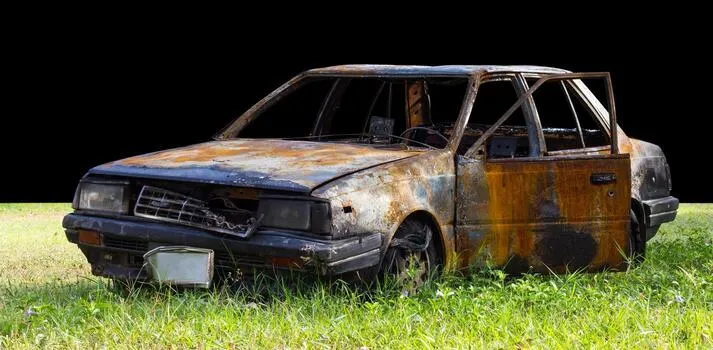

An old car becomes instant cash when you prepare it properly, compare selling options, and complete the right paperwork before accepting an offer. Simple steps such as collecting documents, checking market value, and removing personal belongings often increase both selling speed and final payment.
Many Australians keep unused vehicles parked for months because they believe selling them takes too much time. In reality, a structured approach makes the process much easier. Whether your vehicle still runs or has mechanical problems, several selling options exist across Australia.
The biggest challenge is choosing the method that matches your car's condition. A well-maintained vehicle attracts private buyers, while damaged or unwanted vehicles often suit specialist car buyers.
This guide explains practical ways to convert an old car into cash quickly while avoiding common mistakes. It also shows how to maximise value without spending unnecessary money on repairs.
Understand Your Car's Current Value
Knowing your vehicle's value helps you negotiate confidently and avoid accepting an unfair offer. A realistic price depends on several important factors.
These include:
| Factor | How It Affects Value |
|---|---|
| Vehicle age | Newer vehicles usually receive higher offers. |
| Make and model | Popular brands often retain better resale value. |
| Kilometres travelled | Lower mileage generally increases value. |
| Service history | Complete maintenance records improve buyer confidence. |
| Mechanical condition | Running vehicles often attract more buyers. |
| Exterior and interior condition | Clean, damage-free vehicles usually receive stronger offers. |
Research similar vehicles advertised within Australia to understand current market prices. Comparing multiple listings provides a realistic price range instead of relying on guesswork.
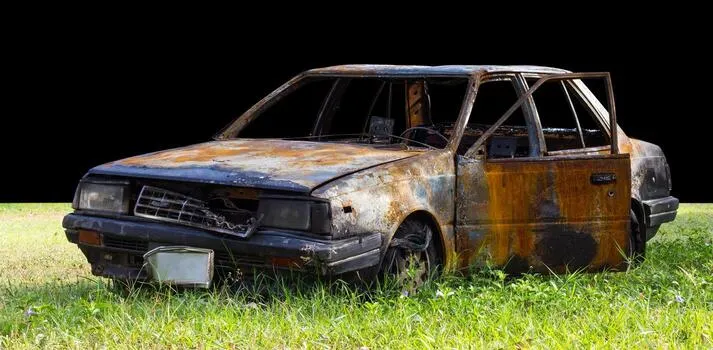
Even if the engine has failed or accident damage exists, the vehicle still retains value through reusable components and recyclable materials. Many Australians successfully sell broken cars for cash because licensed vehicle buyers purchase cars in almost every condition.
Once you understand the value, preparing the vehicle becomes the next important step.
Prepare Your Car Before Selling
A clean, organised vehicle creates a stronger first impression and often speeds up the selling process.
Start by washing the exterior and vacuuming the interior. Remove rubbish, old documents, shopping bags, and personal belongings from every compartment.
Next, collect important paperwork, including:
- Registration papers
- Service history
- Owner's manual
- Roadworthy certificate (if applicable)
- Spare keys
Take clear photographs during daylight if advertising privately. Capture the front, rear, sides, interior, engine bay, and any existing damage. Honest photos reduce unnecessary enquiries and build buyer confidence.
Some owners consider spending money on repairs before selling. However, expensive repairs rarely produce an equal increase in selling price. Minor fixes like replacing broken lights or cleaning the vehicle often provide better value than major mechanical work.
Preparation naturally leads to choosing the most suitable selling method.
Compare Different Selling Options
Different selling methods suit different vehicle conditions. Choosing the right option saves time and reduces stress.
| Selling Method | Suitable For | Selling Speed |
|---|---|---|
| Private sale | Well-maintained vehicles | Moderate |
| Car dealership | Near-new vehicles | Fast |
| Trade-in | Buying another vehicle | Fast |
| Vehicle removal company | Old, damaged or unwanted vehicles | Very fast |
| Car auction | Unique or collectible vehicles | Variable |
Private sales sometimes achieve higher prices, but they also involve advertising costs, inspections, negotiations, and waiting for buyers.
Dealerships provide convenience but often focus on vehicles suitable for resale.
Vehicle removal businesses purchase older vehicles regardless of condition, making them suitable for owners seeking a quick transaction.
At this stage, selecting a reputable buyer becomes more important than chasing the highest advertised price.
Choosing a Reliable Vehicle Buyer
A trustworthy buyer provides clear information, transparent pricing, and straightforward paperwork. Checking a company's reputation before accepting an offer reduces the risk of unexpected problems.
Independent reviews, established business history, and clear communication often indicate professional service. Buyers who explain the collection process and required documentation also make the experience smoother.
Many Brisbane vehicle owners choose companies such as Max Cash for Cars Brisbane because they specialise in purchasing unwanted vehicles across various conditions while keeping the process simple. Their experience with cash for unwanted cars Brisbane services makes them a useful local option for owners looking for practical vehicle disposal rather than lengthy private negotiations.
After choosing a buyer, avoid common mistakes that often delay payment.
Avoid Common Mistakes That Reduce Your Cash Offer
Several simple mistakes reduce the final amount received for an old vehicle.
Common examples include:
Accepting the First Offer
Comparing two or three offers provides a better understanding of market value.
Hiding Mechanical Problems
Being honest about faults prevents disputes during inspection.
Forgetting Personal Items
Check under seats, glove boxes, boot compartments, and storage pockets before handing over the vehicle.
Missing Paperwork
Having ownership documents ready speeds up the transfer process.
Paying for Expensive Repairs
Major repairs often cost more than the additional resale value they create.
Avoiding these mistakes helps the entire transaction proceed more efficiently.
Australian Vehicle Recycling Supports Sustainability
Selling an unwanted vehicle contributes to Australia's recycling industry. Licensed automotive recyclers recover reusable components while responsibly processing remaining materials.
According to the Australian Bureau of Statistics (ABS), Australia continues to maintain one of the world's highest vehicle ownership rates, creating an ongoing need for responsible end-of-life vehicle management. Recycling reduces landfill waste, recovers valuable metals, and limits unnecessary resource extraction.
Common vehicle materials successfully recycled include:
| Material | Typical Reuse |
|---|---|
| Steel | Construction and manufacturing |
| Aluminium | Automotive components |
| Copper | Electrical wiring |
| Glass | New glass products |
| Plastic | Industrial manufacturing |
| Rubber | Road surfaces and playground materials |
Choosing responsible vehicle disposal benefits both owners and the wider environment.
Steps To Receive Cash Faster
Following a simple checklist helps complete the sale without unnecessary delays.
- Check the vehicle's estimated market value.
- Gather ownership documents.
- Remove personal belongings.
- Clean the vehicle.
- Take clear photographs if selling privately.
- Compare multiple offers.
- Confirm payment method before collection.
- Complete ownership transfer paperwork.
Completing these steps often reduces waiting time and creates a smoother selling experience.
Conclusion
Turning an old car into instant cash does not require complicated preparation. Understanding your vehicle's value, organising documents, selecting the right selling method, and working with a reputable buyer create a faster and simpler process. Even damaged, non-running, or unwanted vehicles retain value through reusable parts and recyclable materials. By following these practical tips, Australian vehicle owners can save time, reduce stress, and receive a fair return without unnecessary delays.






















Sign in to leave a comment.