
For anyone new to competitive or social dancing, ballroom footwear can seem confusing at first. Many dancers wonder whether Latin and ballroom shoes are truly different or simply designed for style preferences. In reality, each type of dance shoe is carefully created to support specific movements, techniques, and dance styles.
Choosing the right footwear is essential for comfort, balance, flexibility, and overall performance on the dance floor. Whether you are practicing regularly or preparing for competitions, understanding the difference between Latin and ballroom dance shoes can help you make a better investment in your dance journey.
At Aida Dance USA, dancers can find handcrafted footwear designed for both ballroom and Latin dance styles, offering comfort, support, and professional-level performance.
Why Dance Shoes Matter
Dance shoes are more than part of a costume. They directly affect:
- Balance
- Posture
- Foot flexibility
- Turning ability
- Stability
- Comfort during long practice sessions
Unlike regular shoes, dance footwear is built specifically for movement on smooth dance floors. Proper shoes help dancers glide, pivot, and maintain control without placing unnecessary strain on the feet.
Understanding Ballroom Dance Shoes
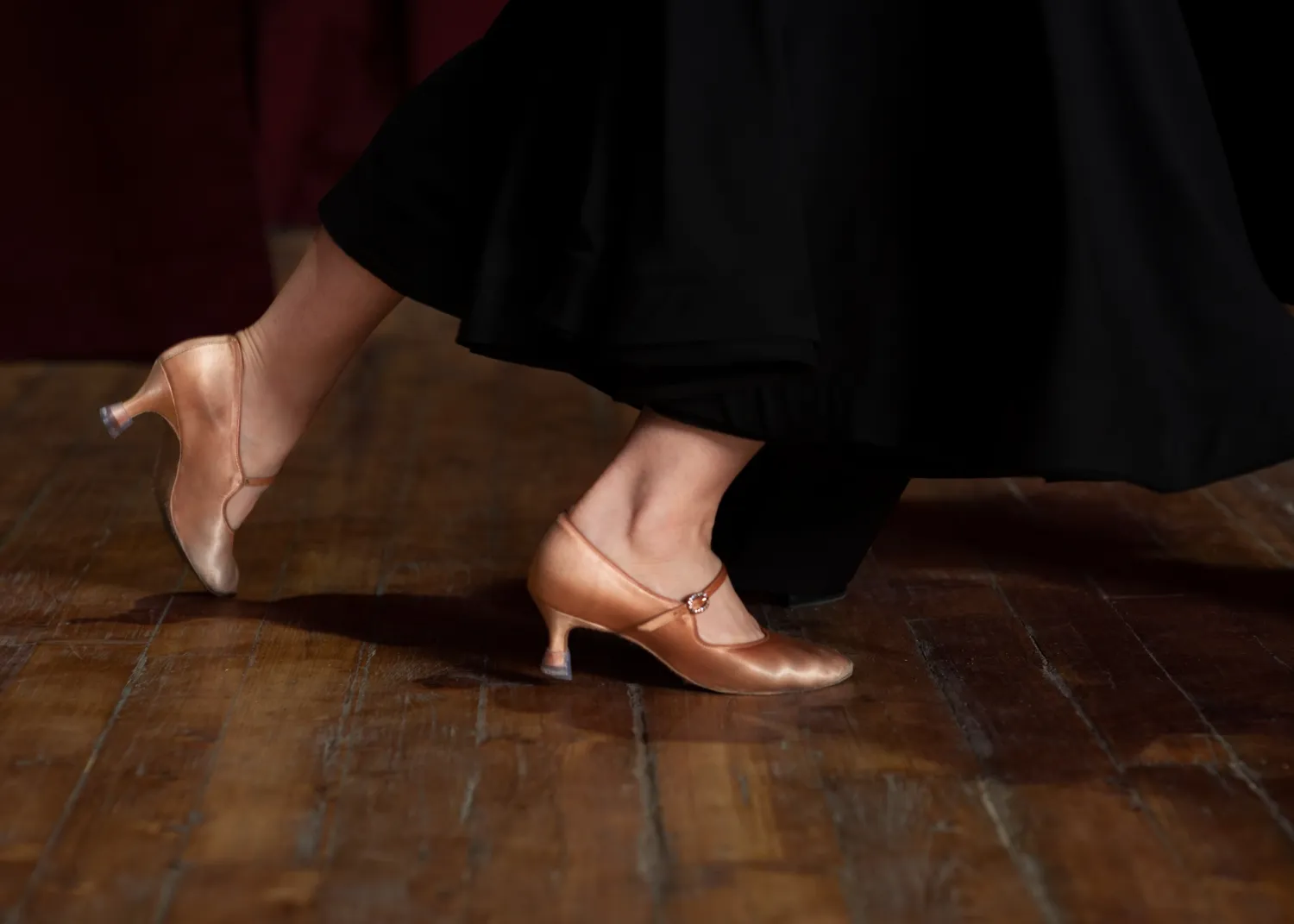
Ballroom shoes are designed for dances that involve smooth, flowing movement across the floor. Styles such as Waltz, Foxtrot, Tango, and Viennese Waltz require stability and elegant posture.
Key Features of Ballroom Shoes
Closed-Toe Design
Most ballroom shoes have a closed-toe structure that provides additional support and a refined appearance.
Enhanced Stability
Ballroom dances involve longer strides and controlled gliding movements, so these shoes are designed to offer strong balance and heel support.
Smoother Weight Distribution
The construction of ballroom shoes helps dancers maintain an upright posture while moving gracefully across the dance floor.
Moderate Flexibility
While ballroom shoes are flexible, they are generally less flexible than Latin shoes because ballroom dancing emphasizes smooth movement over sharp foot articulation.
Understanding Latin Dance Shoes
Latin dance styles such as Cha-Cha, Samba, Rumba, Salsa, and Jive require quicker movements, sharper turns, and more expressive foot action. Latin shoes are specifically designed to support these dynamic movements.
Key Features of Latin Shoes
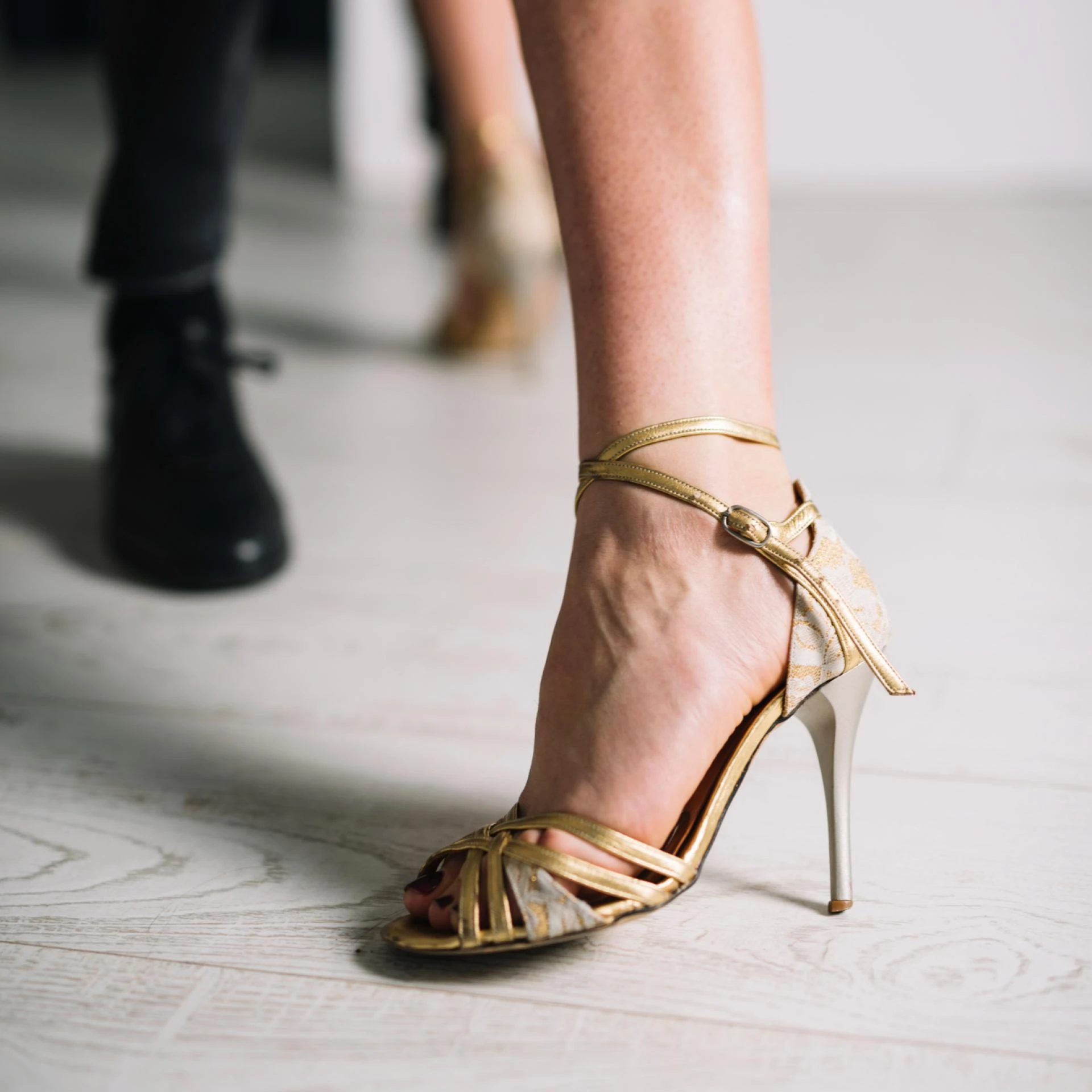
Open-Toe Design
Many Latin shoes feature an open-toe style that allows greater foot flexibility and articulation.
Flexible Soles
Latin dancing involves pointing, bending, and quick directional changes, so these shoes are highly flexible.
Higher Heels
Women’s Latin shoes often have higher heels to enhance leg lines and body positioning during performances.
Lightweight Construction
Latin shoes are typically lighter to support fast footwork and energetic movement.
The Difference in Heel Placement
One of the most noticeable differences between ballroom and Latin shoes is heel positioning.
Ballroom Heels
Ballroom heels are generally placed more centrally under the foot to improve stability during smooth gliding dances.
Latin Heels
Latin heels are positioned slightly forward, helping dancers stay balanced while dancing on the balls of their feet.
This design difference significantly impacts posture and movement style.
Sole Material and Floor Performance
Both ballroom and Latin shoes commonly use suede soles. Suede creates the perfect balance between grip and glide on dance floors.
Benefits of suede soles include:
- Controlled turns
- Smooth sliding
- Better floor connection
- Reduced slipping
Proper sole material helps dancers maintain precision without sticking to the floor.
Choosing the Right Men's Dancing Shoes
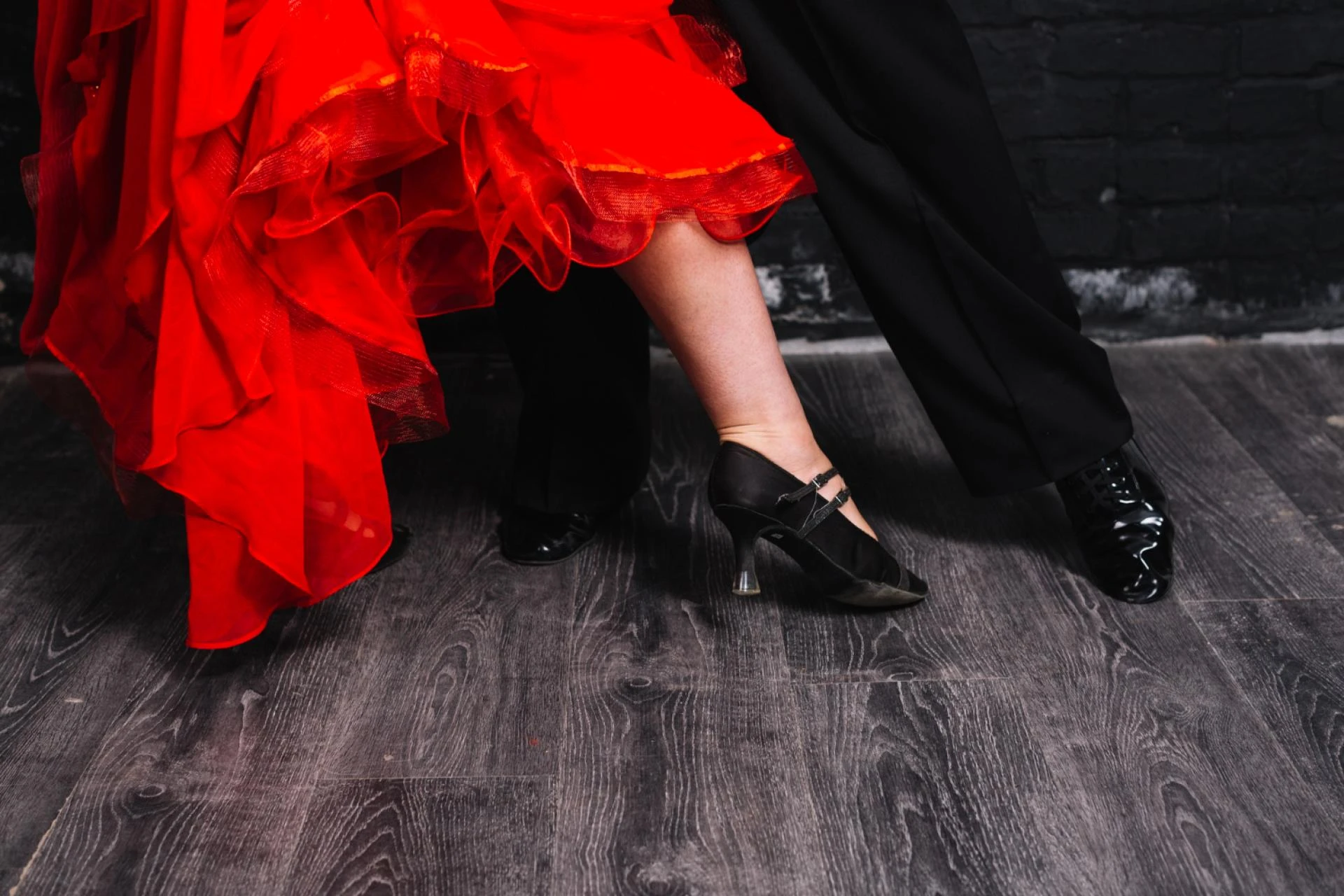
Selecting the right men's dancing shoes depends largely on the dance style being performed. Ballroom shoes for men often focus on elegance and stability, while Latin shoes prioritize flexibility and quick movement.
Important features to consider include:
- Arch support
- Heel stability
- Sole flexibility
- Lightweight comfort
- Proper fit
Men who participate in both ballroom and Latin dancing sometimes choose separate pairs to optimize performance for each style.
Handcrafted footwear from Aida Dance USA is designed to provide support and flexibility for dancers training at different levels.
Understanding Women's Dance Heels
For female dancers, heel style is one of the most important differences between ballroom and Latin footwear. Proper womens dance heels can improve posture, presentation, and movement control.
Ballroom Heels for Women
Ballroom heels are generally:
- Lower and wider
- More stable
- Designed for smooth floor movement
Latin Heels for Women
Latin heels are usually:
- Higher and slimmer
- Designed for sharper leg lines
- Better suited for expressive footwork
Choosing the right heel height is essential for maintaining comfort and confidence during dancing.
Comfort Matters Just as Much as Style
Many dancers focus heavily on appearance when selecting shoes, but comfort should always remain a priority. Poorly fitted shoes can cause:
- Foot fatigue
- Blisters
- Instability
- Reduced movement quality
The best dance shoes should feel snug but comfortable while allowing natural foot movement. Handcrafted designs often provide better long-term comfort because of their attention to fit and construction quality.
Why Dancers Often Own Multiple Pairs
Experienced dancers frequently own separate pairs for:
- Ballroom dancing
- Latin dancing
- Practice sessions
- Competitions
Different shoes allow dancers to maximize performance based on the movement requirements of each dance style.
Practice shoes, in particular, are useful for long rehearsals because they provide additional comfort and support.
How to Decide Which Style You Need
If you primarily dance Waltz, Foxtrot, or Tango, ballroom shoes will likely provide the stability and posture support you need.
If you focus on Salsa, Cha-Cha, Rumba, or Samba, Latin shoes may better support your flexibility and foot articulation.
Dancers involved in multiple styles may benefit from investing in both types of footwear.
Final Thoughts
Latin and ballroom dance shoes may look similar at first glance, but they are designed for very different movement styles and technical demands. Ballroom shoes focus on smoothness, balance, and stability, while Latin shoes prioritize flexibility, quick movement, and expressive footwork.
Whether searching for supportive men's dancing shoes or elegant women's dance heels, choosing the correct footwear can significantly improve comfort, confidence, and dance performance.
With handcrafted options designed for both ballroom and Latin dancers, Aida Dance USA offers footwear that combines style, comfort, and functionality for dancers at every level.



























Sign in to leave a comment.