

Managing finances in a legal practice is very different from running a typical business. Law firms deal with client retainers, trust accounts, strict compliance rules, and detailed billing structures. This is why law firm bookkeeping plays a critical role in maintaining accuracy, transparency, and regulatory compliance.
Without proper bookkeeping systems, law firms can face billing errors, compliance risks, and financial confusion. A structured approach to law firm bookkeeping ensures that every transaction is recorded correctly, client funds are protected, and financial decisions are based on clear data.
This guide explains why law firm bookkeeping matters, what it includes, and how professional support helps legal practices stay organized and profitable.
Why Law Firm Bookkeeping Is Important
Law firms handle sensitive financial data and client funds daily. From retainers and settlements to expenses and legal fees, every transaction must be tracked carefully.
Effective law firm bookkeeping helps firms:
- Maintain accurate trust account records
- Track billable hours and client payments
- Monitor expenses and profitability
- Stay compliant with legal accounting rules
- Prepare for audits and tax filing
When bookkeeping is handled properly, law firms gain complete visibility into their financial health and can make better business decisions.
Key Components of Law Firm Bookkeeping
Trust Account Management
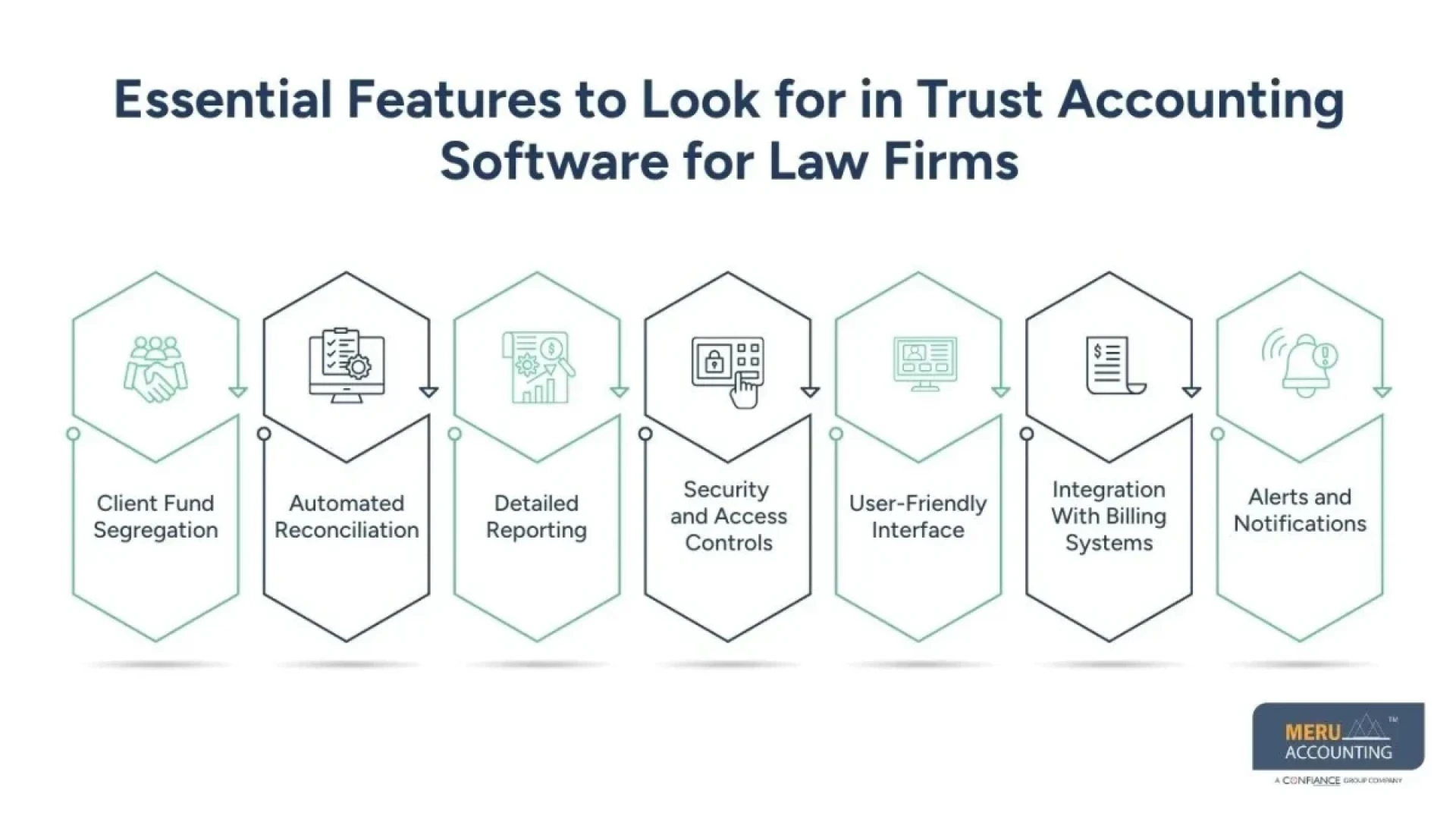
Trust accounting is one of the most important aspects of law firm bookkeeping. Client funds must always be kept separate from operating funds. Proper tracking of deposits, withdrawals, and balances ensures compliance with legal regulations and protects both clients and the firm.
Client Billing and Retainer Tracking
Law firms must track retainers, billable hours, invoices, and payments accurately. Proper bookkeeping ensures that invoices are issued on time and matched with recorded work and expenses. This improves cash flow and reduces billing disputes.
Expense Tracking
Legal practices incur various expenses such as filing fees, research costs, software subscriptions, and office expenses. Recording these costs accurately helps maintain financial clarity and ensures correct client billing.
Accounts Payable and Vendor Management
Payments to vendors such as consultants, investigators, and service providers must be recorded and tracked. Organized vendor records prevent duplicate payments and maintain smooth professional relationships.
Financial Reporting
Regular reports provide insights into firm performance. Income statements, expense reports, and trust account summaries help law firms monitor profitability and plan for growth.
Tax Ready Records
Proper bookkeeping ensures all income and expenses are recorded and categorized correctly. Organized records simplify tax filing and reduce the risk of penalties or audit issues.
Benefits of Professional Law Firm Bookkeeping
Improved Compliance
Legal accounting rules require strict trust account management and accurate financial reporting. Professional bookkeeping ensures compliance with all regulatory requirements.
Better Cash Flow Control
Tracking incoming payments and outgoing expenses helps maintain financial balance. Clear visibility allows firms to plan for slow payment cycles and avoid cash shortages.
Reduced Errors
Manual bookkeeping often leads to mistakes. Professional bookkeepers use structured systems and accounting software to reduce errors and maintain accurate records.
Time Savings for Lawyers
Attorneys should focus on legal work, not financial administration. Outsourcing law firm bookkeeping allows legal teams to concentrate on clients and cases while experts handle finances.
Clear Financial Insights
Detailed reports provide visibility into profitability, expenses, and revenue by case or practice area. This helps law firms make informed strategic decisions.
How Law Firm Bookkeeping Supports Different Legal Practices
Solo and Small Law Firms
Small firms benefit from organized billing, expense tracking, and compliance support. Proper bookkeeping helps maintain clarity without adding administrative burden.
Corporate Law Firms
Large firms require detailed reporting, departmental expense tracking, and partner level financial insights. Professional bookkeeping ensures smooth financial management across teams.
Litigation Practices
Litigation involves complex expenses such as court fees and expert costs. Accurate tracking ensures proper billing and clear case profitability analysis.
Specialized Legal Practices
Family law, real estate, immigration, and criminal law firms have unique accounting needs. Tailored bookkeeping solutions help manage practice-specific expenses and billing structures.
Role of Technology in Law Firm Bookkeeping
Modern accounting tools make bookkeeping more efficient and accurate. Software such as QuickBooks, Xero, Clio, and other legal accounting platforms help automate tasks and improve reporting.
Using digital tools allows law firms to:
- Track income and expenses in real time
- Manage trust accounts securely
- Generate financial reports instantly
- Reduce manual errors
- Access data from anywhere
Technology-driven law firm bookkeeping improves accuracy and saves time.
Common Law Firm Bookkeeping Challenges
Despite its importance, many law firms struggle with bookkeeping due to:
- Complex trust accounting rules
- High volume of transactions
- Delayed billing and collections
- Manual record keeping
- Lack of accounting expertise
These challenges can lead to compliance risks and financial confusion if not handled properly.
Tips for Efficient Law Firm Bookkeeping
- Use legal-specific accounting software
- Track billable hours daily
- Keep trust and operating accounts separate
- Reconcile accounts regularly
- Monitor cash flow consistently
- Generate monthly financial reports
- Hire professional legal bookkeepers
Following these practices helps maintain accurate and compliant financial records.
Why Outsourcing Law Firm Bookkeeping Is a Smart Choice
Outsourcing law firm bookkeeping provides access to experienced professionals who understand legal accounting requirements. It reduces internal workload and ensures accurate record keeping.
Benefits of outsourcing include:
- Lower staffing and training costs
- Improved accuracy and compliance
- Faster reporting and reconciliation
- Scalable support as the firm grows
- More time for legal work
Professional bookkeeping support helps law firms stay organized and financially stable.
Conclusion
Law firm bookkeeping is more than just recording transactions. It ensures compliance, protects client funds, and provides clear financial insights for better decision-making. With accurate records and structured processes, legal practices can maintain transparency, improve cash flow, and focus on delivering quality legal services.
Whether you run a solo practice or a large legal firm, investing in reliable law firm bookkeeping is essential for long-term success. Proper financial management builds trust, reduces risk, and supports sustainable growth for modern law firms.































Sign in to leave a comment.