

Learn how to lift loads safely
Lifting loads is a high-risk service, so great care must be taken when carrying out this type of movement. This activity, when done irresponsibly, can lead to major accidents with loads and the people involved.
Did you know that 22% of accidents recorded in industries are with lifting loads? Several situations can happen, but the main ones are crane overturning and falling loads. For Appointed person training click here
This can cause serious injuries to the professionals involved in the service or, in an even worse scenario, a fatality. But that doesn't mean you should avoid lifting loads.
It is a very useful activity for various areas of construction, industries and is even used in people's daily lives. So, if necessary, lifting is a great ally.
However, it must be done carefully, since it is a complex service that involves several variables. Here are some tips for moving, lifting and transporting heavy loads safely and without major inconvenience.
What is load lifting?
Lifting loads is the lifting of some material vertically. It is recommended for transporting something vertically, such as furniture or large loads that cannot pass through doors, stairs, corridors and elevators.
Or even materials that are too heavy for a team of people to carry, like in civil construction.
Indeed, it is an efficient form of transport, but as we said, it has a high degree of risk and difficulty. It is widely used to transport loads such as furniture, machinery, glass and any other heavy or large object.
How can it be used?
It is a more used service than it seems. When we think of lifting loads, those huge cranes in civil construction soon come to mind. But this situation is just one of the many purposes of lifting.
This activity is not far from the daily lives of many people, as it is often found in residential and commercial moves, because many appliances, furniture and decorative items do not pass through the stairwell or the elevator of the building, for example.
Another sector that has lifting as a great ally is the industrial sector. Moving containers, machines, heavy materials, among other loads is one of the purposes of this service.
Machines that can be used for lifting loads:
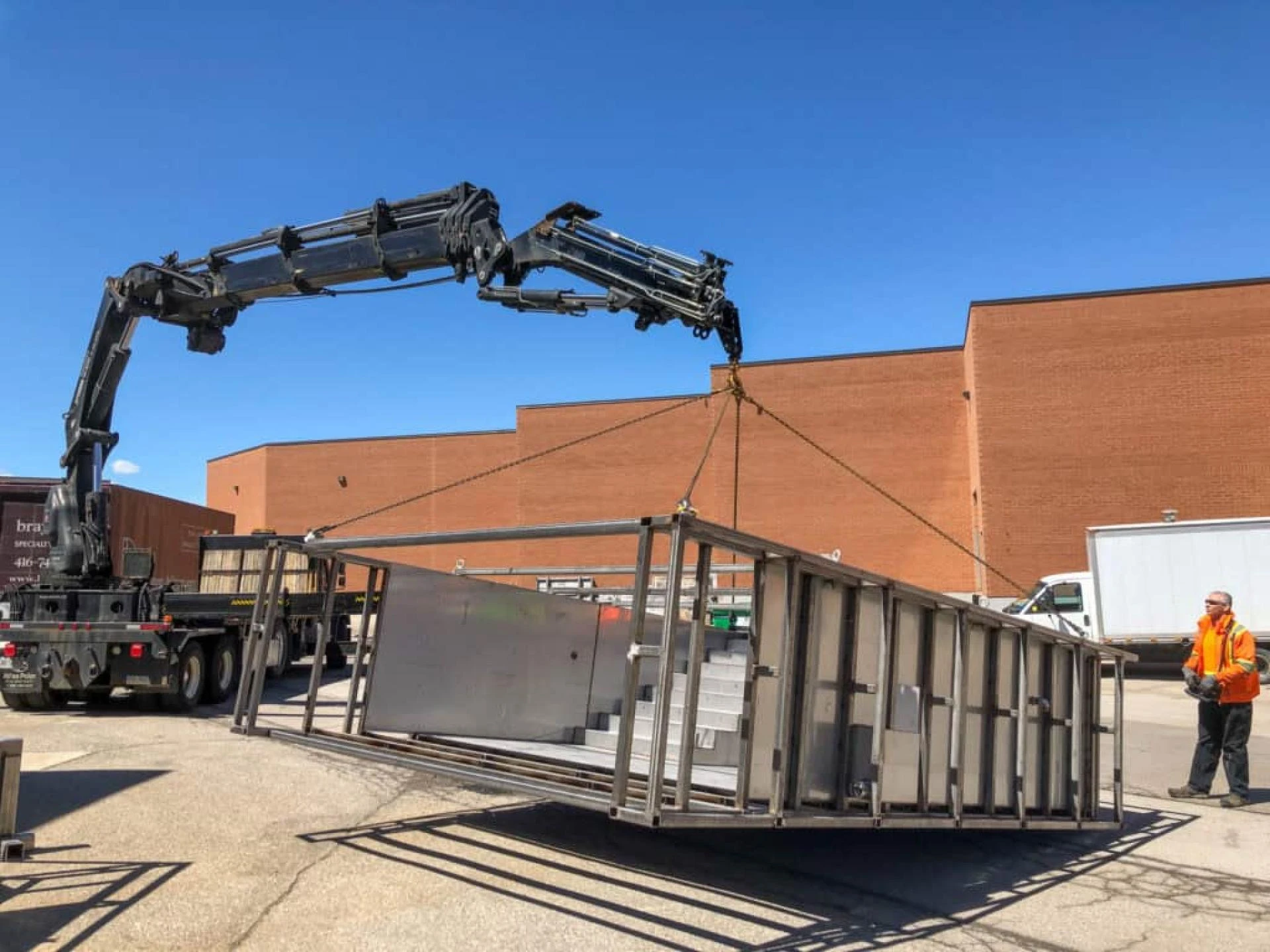
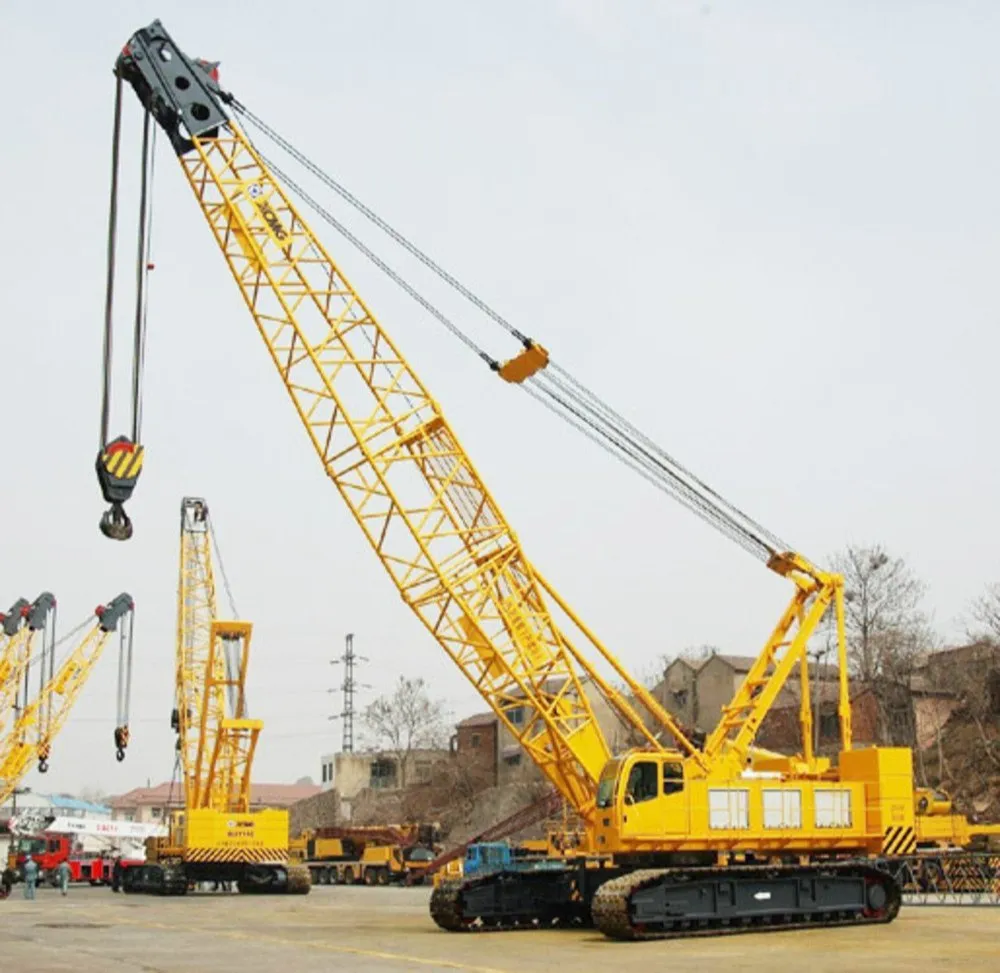
Cranes are the most used in this type of service, as they can move tons and lift loads a lot. But it is also a service that can be performed using forklifts, cranes and removal cranes, for example.
Which machine to use depends on the purpose and type of movement that will be done. But anyway, it needs to be quality equipment to provide safety to the load and operators.
How to lift loads safely?
All the following tips are aimed at safe, agile and trouble-free lifting.
Remembering that this information is valid for any type of lifting loads – from residential moves to those that lift large loads.
Equipment quality:
First of all, checking the quality of the machinery of the cargo transport company that you will hire to carry out this service is essential. As well as the equipment that will be used.
To keep materials like these in good working order, preventative maintenance is essential. Thus, it is possible to solve small operating problems, identify wear of parts and avoid possible failures.
So make sure the company does these maintenance regularly.
Only professionals can handle the machines:
It is not an easy service, there are several variables that can make it even more complex. Therefore, only qualified and experienced operators should drive these machines, whichever is chosen for the activity.
Make project rigger:
This is perhaps the most valuable tip. To ensure safe lifting of loads, the rigger design must be done. Basically, it is an analysis and planning of the entire service, considering all the variables.
This study optimizes the resources used to avoid major inconveniences, such as accidents and load problems. It also makes lifting more agile and peaceful.
What would those resources be? Everything used in this activity, such as equipment, accessories and maneuvers. Rigger projects indicate the ideal crane for each operation, which are the most suitable accessories for the service – such as cables, “spreader”, straps, shackles, etc.
It also indicates possible adjustments in the area, such as the ground or if the layout of the site needs to be changed so that the lifting can be done in the best way.
See how the load lifting service is done:
A meticulous and technical study of feasibility and transport is carried out with analyses, calculations, elevation planning, mooring techniques, studies on the materials used, weights and measures, among other factors.
Each stage of lifting loads is studied. So it's defining which machine is the best depending on its dimension, which accessories are needed for the type of load, technical feasibility, whether the site's structure is prepared to receive equipment like these, etc.




Sign in to leave a comment.