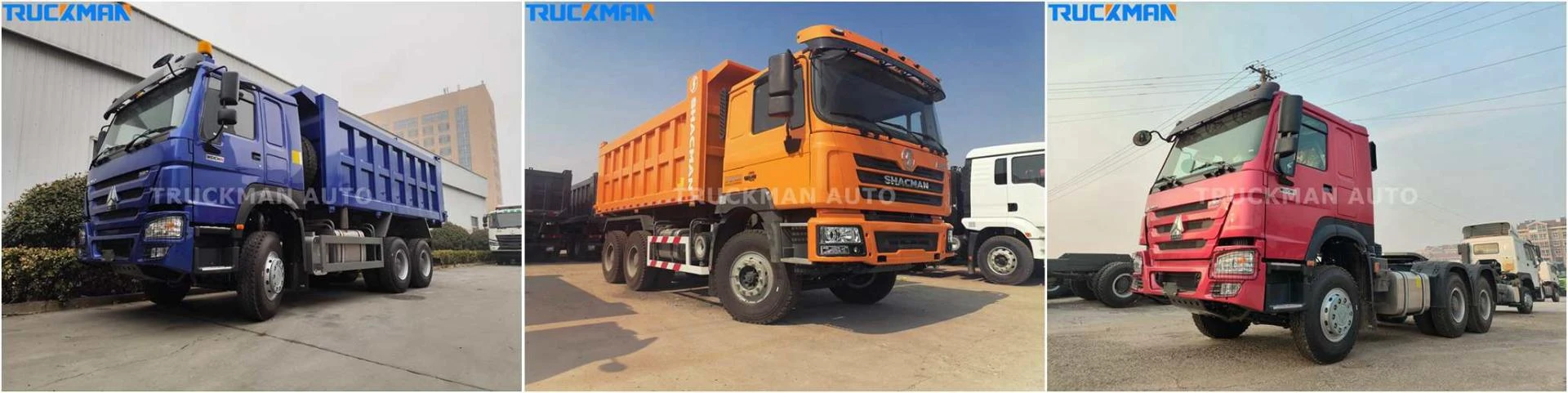

Trailers play a crucial role in transportation and logistics, serving as the vital link between goods and their destinations. Whether you’re a business owner, a driver, or simply curious about transportation, understanding trailers—their types, uses, and benefits—can provide valuable insights into how goods move efficiently around the world. This article offers a unique and comprehensive overview to help you learn more about trailers and their significance.
What is a Trailer?
A trailer is a non-motorized vehicle designed to be towed by a powered vehicle, such as a truck or tractor. Trailers provide extra cargo space and flexibility in transporting goods, making them indispensable in various industries. By detaching and reattaching trailers, logistics companies can streamline loading and unloading processes, enhancing overall efficiency.
Types of Trailers and Their Unique Purposes
- Flatbed Trailers
- One of the most versatile trailer types, flatbeds have an open deck without sides or a roof. They’re ideal for transporting large, heavy, or oddly-shaped cargo like machinery, building materials, and vehicles. Their open design allows for easy loading from any angle.
- Dry Van Trailers
- These enclosed trailers protect cargo from weather and theft, making them perfect for transporting boxed goods, furniture, and other dry items. Dry vans are the most common trailers used in general freight shipping.
- Refrigerated Trailers (Reefers)
- Equipped with temperature control systems, refrigerated trailers transport perishable goods such as food, pharmaceuticals, and chemicals. Their insulation and cooling units ensure products remain fresh throughout the journey.
- Tanker Trailers
- Tanker trailers carry liquids and gases like fuel, chemicals, and food-grade liquids. Their cylindrical shape and specialized construction ensure safe transport of hazardous or sensitive materials.
- Lowboy Trailers
- Designed for heavy equipment and oversized loads, lowboy trailers have a dropped deck height that allows taller cargo to be transported under bridges and through tunnels without issues.
- Dump Trailers
- Often used in construction and agriculture, dump trailers have hydraulic lifts that allow for easy unloading of bulk materials such as sand, gravel, or soil.
Benefits of Using Trailers
- Increased Cargo Capacity: Trailers significantly expand the hauling capability of trucks, allowing larger or more numerous items to be transported in one trip.
- Flexibility: Different types of trailers can be matched to specific cargo needs, improving efficiency and safety.
- Cost Efficiency: Using trailers reduces the number of trips required and optimizes fuel consumption, which lowers transportation costs.
- Safety: Properly designed trailers with advanced braking and suspension systems help maintain vehicle stability, minimizing accidents and cargo damage.
- Intermodal Compatibility: Trailers can often be used across different modes of transportation, such as trucks, trains, and ships, facilitating global trade.
How to Choose the Right Trailer
Selecting the ideal trailer depends on the cargo type, distance, and operating environment. Consider factors such as load size, weight, sensitivity, and regulatory requirements. Consulting with manufacturers or logistics experts can ensure you choose a trailer that maximizes performance and safety.
Maintenance Tips for Trailers
To keep trailers in top condition and prolong their lifespan, regular maintenance is essential. This includes inspecting tires, brakes, lights, and suspension systems; checking for corrosion or damage; and ensuring proper lubrication of moving parts. Routine upkeep reduces breakdowns and keeps transport operations smooth.
Conclusion
Trailers are indispensable tools in the world of transportation, offering the versatility and capacity needed to meet diverse hauling demands. Learning more about trailers—from types and benefits to maintenance and selection—can empower businesses and drivers to make smarter decisions and enhance logistics efficiency. Whether hauling heavy machinery, perishable goods, or bulk materials, the right trailer is key to a successful transportation operation.


























Sign in to leave a comment.