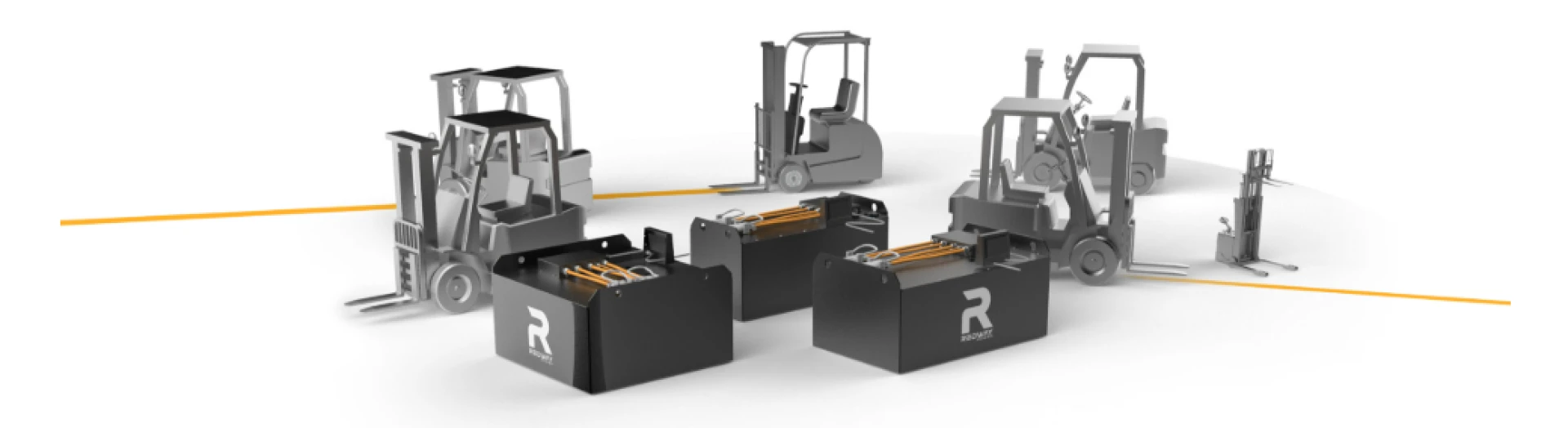

In the fast-paced world of logistics and warehousing, efficiency, sustainability, and reliability are critical. Traditional lead-acid batteries have long powered electric forklifts, but a more advanced and eco-friendly solution is rapidly taking over — Lithium Forklift Batteries. These modern energy sources offer a range of benefits that are reshaping the material handling industry.
What Are Lithium Forklift Batteries?
Lithium forklift batteries are rechargeable energy storage systems based on lithium-ion technology. Unlike conventional lead-acid batteries, lithium batteries use lithium iron phosphate (LiFePO4) chemistry, which provides higher energy density, longer life cycles, and safer operations.
Key Advantages of Lithium Forklift Batteries
1. Longer Lifespan
Lithium batteries can last up to 3,000–5,000 charge cycles, which is nearly three times more than traditional lead-acid batteries. This extended lifespan results in lower replacement costs and greater return on investment over time.
2. Faster Charging
One of the most significant benefits is rapid charging. Lithium forklift batteries can be fully charged in 1–2 hours, while lead-acid batteries may take up to 8 hours. Additionally, opportunity charging (quick recharges during breaks) is safe and efficient without damaging the battery.
3. Maintenance-Free Operation
Lithium-ion batteries do not require watering, equalizing, or cleaning of terminals. This reduces labor costs and downtime, and minimizes safety risks related to acid spills and gas emissions.
4. Consistent Performance
While lead-acid batteries tend to lose power as they discharge, lithium batteries deliver consistent voltage and power output throughout the entire charge cycle. This ensures stable forklift performance and productivity.
5. Eco-Friendly and Safe
Lithium forklift batteries are free of toxic heavy metals and emit no harmful gases during charging. They are also highly recyclable and have built-in battery management systems (BMS) that monitor temperature, voltage, and current for safe operation.
Applications and Industries
Lithium forklift batteries are ideal for industries requiring multiple shifts or continuous operations — such as manufacturing, warehousing, retail distribution, and food and beverage. Their ability to handle high-demand cycles without overheating or performance drops makes them a reliable choice in demanding environments.
Cost Consideration
Although the upfront cost of lithium forklift batteries is higher than lead-acid options, the total cost of ownership (TCO) is significantly lower over time. Savings on maintenance, charging infrastructure, and battery replacements make lithium an economically sound investment.
Future Outlook
With the push for greener logistics and the increasing need for operational efficiency, the adoption of lithium forklift batteries is expected to grow rapidly. Manufacturers are also integrating smart technologies into these batteries, enabling real-time monitoring and predictive maintenance — making them even more valuable to modern fleets.
Conclusion
Lithium forklift batteries represent a powerful leap forward in forklift power technology. Their long life, fast charging, minimal maintenance, and environmental benefits make them an ideal solution for businesses looking to upgrade their material handling systems. Investing in lithium is not just a trend — it's a smart move toward a more productive and sustainable future.






























Sign in to leave a comment.