

Every child loves a good story. Whether it is an adventure with talking animals, a magical journey to a distant kingdom, or a tale about friendship, stories have a special way of capturing young minds. They encourage children to imagine new possibilities, ask questions, and discover ideas while enjoying themselves.
Learn Through Stories is a wonderful approach to making education more engaging and memorable. Instead of simply presenting facts, storytelling introduces ideas through characters, events, and situations that children can understand and discuss.
At EduGamingAppWorld, stories can become an enjoyable part of a child's learning journey. From bedtime stories and traditional folktales to educational adventures, storytelling offers families opportunities to combine entertainment, curiosity, and meaningful conversations.
Why Is Learning Through Stories Important for Children?
Children often connect with information more easily when it is presented through an interesting situation. A story about a curious animal exploring its surroundings, for example, can encourage questions about nature, friendship, and problem-solving.
Stories also give children a reason to keep listening and reading. They want to discover what happens next, understand the characters, and find out how challenges are resolved. This natural curiosity can make learning feel less like a task and more like an adventure.
When parents discuss stories with their children, they can also help them connect what they read with everyday experiences. These conversations create opportunities to explore new ideas at a comfortable pace.
Five Benefits of Learning Through Stories
1. Develop Language and Vocabulary
Stories introduce children to new words, expressions, and sentence patterns. A tale about a journey might include words describing directions, landscapes, emotions, and movement.
Reading aloud gives children opportunities to hear how words are used in context. Parents can pause to explain unfamiliar words or invite children to guess their meanings from the surrounding sentences.
Over time, regular reading can support vocabulary development, listening skills, and language comprehension.
2. Encourage Imagination and Creativity
Storytelling allows children to picture places and events beyond their everyday experiences. A mysterious forest, an underwater kingdom, or a friendly dragon can inspire them to create their own imaginary worlds.
Parents can encourage this creativity by asking questions such as, “What would you do if you met this character?” or “How would you change the ending?”
Children might draw their favorite scene, invent a new character, or tell their own version of the adventure. These simple activities make storytelling interactive and enjoyable.
3. Introduce Problem-Solving Skills
Many stories feature characters who encounter obstacles and must decide what to do next. They might solve a puzzle, find their way home, or work with friends to complete a difficult task.
As children follow these events, they can think about possible solutions and consider the consequences of different choices.
Pause before revealing the ending and ask your child to suggest a solution. This encourages independent thinking while making the reading experience more engaging.
4. Explore Emotions and Positive Values
Stories frequently explore kindness, honesty, courage, patience, and friendship. Characters may experience disappointment, excitement, confusion, or happiness as their adventures unfold.
Discussing these moments can help children consider how other people might feel and why certain actions matter.
For example, a story about a character helping a lonely friend can lead to a conversation about inclusion and kindness. The goal is not to lecture children but to help them reflect on the story and relate it to everyday life.
5. Discover Different Cultures and Traditions
Stories from different parts of the world introduce children to diverse characters, environments, customs, and storytelling traditions.
Indian Panchatantra tales, Japanese folktales such as Momotaro, and Anansi stories associated with Akan traditions in West Africa offer different storytelling experiences.
Parents can use these examples to encourage curiosity about the world. Explain cultural details respectfully, use reliable sources when discussing origins, and remember that no single story represents an entire culture.
How Parents Can Make Learning Through Stories Fun
You do not need a complicated teaching plan to make storytelling educational. Small changes to your reading routine can create enjoyable learning opportunities.
Choose age-appropriate stories. Select books and digital stories that suit your child's interests, reading ability, and understanding.
Ask open-ended questions. Questions such as “Why do you think the character made that choice?” encourage children to explain their ideas.
Connect stories with everyday life. If a character helps someone, talk about ways your child can show kindness at home or school.
Use pictures and creative activities. Drawing characters, acting out scenes, or creating a new ending can make stories more memorable.
Let children choose. Give them opportunities to select stories about animals, adventures, fairy tales, or topics they already enjoy.
Most importantly, keep reading relaxed and enjoyable. Children do not need to answer every question correctly for a storytelling session to be valuable.
Learn Through Bedtime Stories and Everyday Adventures
Bedtime stories can be a simple way to introduce storytelling into a family's daily routine. A familiar story before sleep provides an opportunity to share time together, explore new ideas, and talk about memorable characters.
Short stories may work well for younger children, while older readers might enjoy longer adventures with more detailed plots. Let your child's interests guide your choices, and revisit favorite stories whenever they ask.
You can explore the EduGamingAppWorld bedtime stories collection for storytelling experiences that make reading part of family life.
Learning through stories does not have to happen only at bedtime. A story during the afternoon, a visit to the library, or a conversation about a favorite character can also inspire curiosity.
How EduGamingAppWorld Can Support Children's Learning
Children enjoy different ways of discovering new ideas. Some prefer listening to stories, while others like looking at illustrations, asking questions, or exploring interactive learning activities.
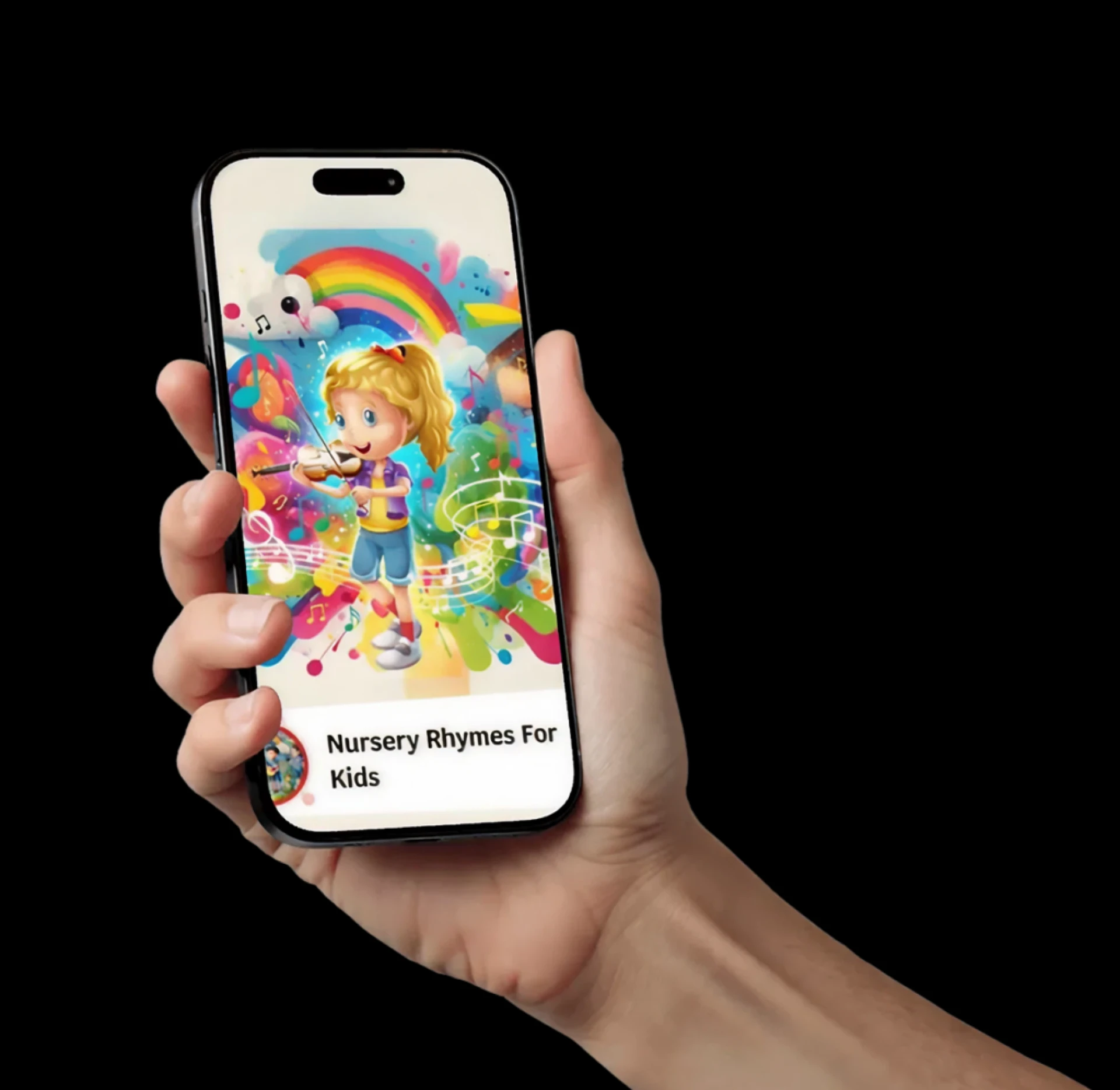
EduGamingAppWorld brings children's learning experiences together with engaging content, including bedtime stories, educational games, clock-learning activities, and nursery rhymes.
Families can use these resources alongside reading books and sharing stories together. Combining different activities may help keep learning varied and enjoyable while allowing children to explore their interests.
Visit EduGamingAppWorld to discover more learning experiences for young minds.
Learn Through Stories is a simple and enjoyable way to introduce children to new ideas while encouraging curiosity, creativity, and meaningful conversations. From developing vocabulary to exploring different cultures, stories create opportunities for learning through memorable experiences.
Parents can nurture a positive relationship with reading by choosing engaging stories, asking thoughtful questions, and making storytelling part of everyday family life.
Open a book, discover a new adventure, and let every story become an opportunity to learn with EduGamingAppWorld.






















Sign in to leave a comment.