

Early childhood is an important stage of discovery. Preschoolers are naturally curious and enjoy exploring new things through colourful objects, sounds, stories, and activities. At this age, learning does not always need to happen through books or worksheets. Play-based activities can make everyday learning more enjoyable and engaging.
Preschool Learning Games provide children with opportunities to explore basic concepts while developing creativity, memory, communication, and problem-solving skills. Whether children are learning numbers, recognising shapes, identifying colours, or listening to stories, interactive games can make these experiences exciting.
Why Are Preschool Learning Games Important?
Young children often learn best when they can participate actively. Games encourage them to observe, experiment, make choices, and try again when something feels challenging.
Here are some benefits of introducing educational games during the preschool years:
- Early number skills: Counting games introduce numbers and simple mathematical concepts.
- Language development: Word games, rhymes, and storytelling encourage vocabulary and listening skills.
- Memory and concentration: Matching activities help children practise remembering and recognising patterns.
- Creativity: Drawing, puzzles, and imaginative games encourage creative thinking.
- Problem-solving: Simple challenges help children explore different ways to reach an answer.
The activities should be suitable for each child's age and abilities. Learning should feel enjoyable rather than like a test.
5 Fun Types of Preschool Learning Games
Parents and educators can introduce different activities to support early learning. Here are five simple categories worth exploring.
1. Number and Counting Games
Counting games help preschoolers become familiar with numbers. Parents can ask children to count toys, building blocks, fruits, or objects around the room.
For example, place five colourful blocks on a table and invite the child to count them aloud. Gradually introduce simple comparisons, such as which group has more objects.
These activities create an enjoyable introduction to early maths.
2. Alphabet and Word Games
Alphabet games introduce children to letters, sounds, and simple words. Picture cards, alphabet puzzles, and rhyming activities can make language learning interactive.
Parents can show a picture of an apple and ask children to identify its beginning sound. Reading short stories together can also introduce new vocabulary and encourage children to express their thoughts.
3. Shapes and Colours Games
Recognising shapes and colours is an important part of early childhood learning. Children can identify circles, squares, triangles, and rectangles through everyday objects.
A simple activity is to ask children to find something red, something round, or something shaped like a rectangle. This connects learning with the world around them.
4. Memory and Matching Games
Matching games encourage children to observe details and remember information. Use picture cards featuring animals, fruits, objects, or shapes.
Place the cards face up and ask children to find matching pairs. Start with a small number of cards and add more as they become comfortable with the activity.
5. Storytelling and Listening Games
Stories help children explore language, imagination, and emotions. Parents can read a short bedtime story and ask simple questions about the characters or events.
For example, ask, "What do you think will happen next?" or "Which character did you like most?"
These conversations encourage children to listen carefully, remember details, and share ideas.
How Parents Can Make Learning Through Play More Effective
Parents do not need expensive toys or complicated activities to create meaningful learning experiences. Everyday objects and simple games can provide plenty of opportunities for discovery.
Consider these practical tips:
Keep activities short: Preschoolers may enjoy brief activities with breaks in between.
Follow their interests: If a child enjoys animals, introduce counting games using animal pictures.
Encourage participation: Let children make choices, ask questions, and explore at their own pace.
Celebrate effort: Appreciate curiosity and trying new activities instead of focusing only on correct answers.
Balance different activities: Include creative play, outdoor exploration, reading, movement, and educational games.
Most importantly, allow children to enjoy the process. Every child develops at a different pace, so activities should be flexible and supportive.
The Role of Educational Apps in Preschool Learning
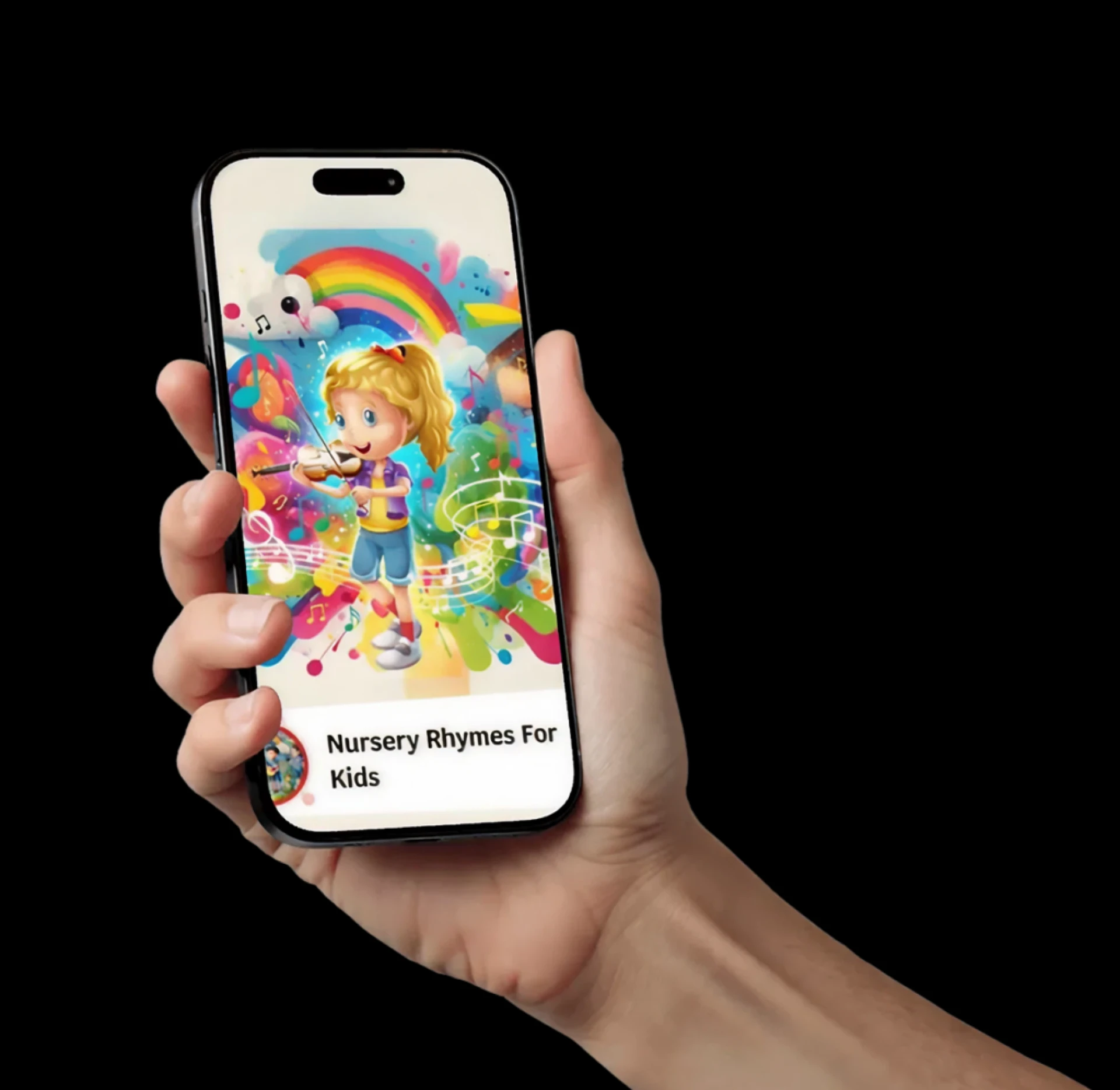
Digital learning tools can offer another way to explore early concepts when used thoughtfully and with parental guidance. Educational apps may include counting activities, interactive puzzles, clock-learning games, nursery rhymes, and stories.
Parents can explore EduGamingAppWorldfor child-focused educational content and learning activities. Its offerings include maths games, clock learning, nursery rhymes, and bedtime stories.
When choosing an educational app, parents should consider age suitability, ease of use, content quality, privacy, and the amount of screen time involved. Digital activities work best as one part of a balanced routine that also includes physical play, family interaction, and reading.
How to Create a Simple Preschool Learning Routine
A flexible daily routine can help children enjoy different learning experiences without feeling overwhelmed.
For example:
- Morning: Try a short counting or colour-recognition activity.
- Afternoon: Explore puzzles, drawing, building blocks, or outdoor discovery.
- Evening: Read a picture book or enjoy a storytelling activity together.
There is no need to follow a strict timetable. Parents can adjust activities according to their child's interests, energy, and daily routine.
Preschool is a wonderful time for children to explore, ask questions, and develop new skills. Preschool Learning Games make early education more interactive by combining play with opportunities to practise numbers, language, memory, creativity, and problem-solving.
Parents can support this journey through simple home activities, storytelling, puzzles, and carefully selected digital resources. With a balanced approach, everyday play can become a meaningful part of a child's early learning experience.
Explore educational activities and stories at EduGamingAppWorld to discover more ways to make learning enjoyable for young children.

























Sign in to leave a comment.