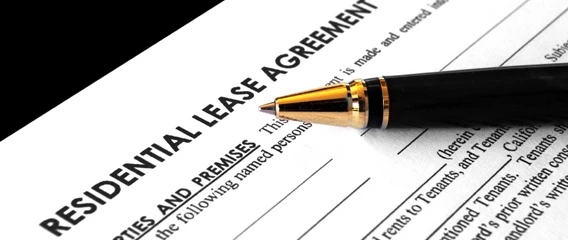

What Can Go Wrong If You Skip Parts of a Rental Lease Agreement in California?
A Lease Sets the Rules Before Problems Start
Many tenants focus on the rent amount & the move-in date, then skim the rest of the document. That is where mistakes begin. A lease is the written rulebook for the tenancy. It can cover the length of the term, late fees, renewal terms, repair duties, guest limits, parking, entry rights, utility responsibility & move-out conditions. In Ca, written terms matter because landlords can rely on lease violations when disputes arise & tenants also need clear language to protect their own rights. Reviewing every section early helps prevent confusion, missed obligations and costly disagreements later.
Key Financial Clauses Need a Close Read
A rental lease agreement in California should be reviewed line by line because financial terms are often spread across several sections, not just one. The lease may describe rent due dates, grace-period assumptions, bounced-payment charges, utility billing, cleaning obligations as well as deposit terms. Law also places important limits on security deposits and controls how deductions are handled after move-out. For many tenants, the biggest surprise comes at the end of the tenancy, when the deposit is reduced for reasons they didn’t fully understand at signing. Careful review at the start makes those costs easier to predict & challenge if needed.
Repairs, Entry and Habitability Should Be Clear
A lease is not only about payment. It also shapes day-to-day living. In California, landlords must address health as well as safety issues and tenants should put repair requests in writing as well as keep records. That is why the repair & maintenance sections deserve close attention. A tenant should know who handles plumbing, appliances, pests, smoke detectors & damage reporting. The entry section matters too. If the language is vague, the tenant may not understand when the landlord may lawfully enter the unit or how notice should be given. Clear review of these sections helps reduce stress during the tenancy, not just at the end.
Local Rules and Special Notices Also Matter
Agreement should never be read as if statewide law is the only issue. California has state rules on rent caps & just-cause protections for many units, but local city or county rules may provide stronger tenant protections. Some properties are exempt from certain statewide protections and those exemptions often depend on written notice in the lease. That means the fine print matters. A tenant who skips those sections may miss whether the unit is covered by rent limits, whether a local ordinance applies, or whether additional disclosures affect the tenancy. Small notices can have major legal & financial effects.
Careful Review Gives You Better Control
Reading every section is not about suspicion. It is about control. A complete review helps a tenant ask better questions, request corrections before signing and understand what the landlord can and cannot require. In legal services, this is one of the most practical ways to reduce future disputes. The lease should match the actual deal, reflect current rules & state each responsibility in plain terms. When the document is reviewed properly at the start, the tenancy is easier to manage, records are easier to keep & problems are easier to resolve before they grow into a legal dispute.
Author Bio:-
Carl often writes about legal drafting, legal documents, legal forms, and legal agreements to help people who need them. You can find his thoughts at legal form online blog.































Sign in to leave a comment.