
When a Payment Is Missed
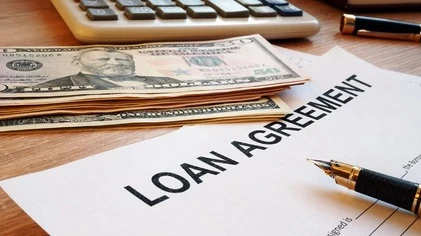
A missed payment can trigger immediate concern for both lender and borrower. In many cases, a loan agreement will define default clearly, often stating that failure to pay on the due date is enough to start the default process. Some agreements allow a short grace period, while others treat non-payment as a direct breach. That is why the payment clause matters from day one, not after trouble begins.
Why Default Terms Matter Early
The real problem is not only the missed installment. It is the chain reaction that follows. Once payments stop, late fees may apply, interest may continue to build and written notices may begin arriving. A borrower who ignores the issue can quickly move from one missed payment to a demand for the full unpaid balance. In a loan agreement in Michigan, those rights are usually written into the remedies section and courts often look first at that contract language.
How the Situation Gets Worse
Default can escalate fast when communication breaks down. Some borrowers assume they can catch up later without consequence. Others stop responding because they feel pressured. That silence usually strengthens the lender’s position. If the agreement includes acceleration rights, the lender may declare the entire loan due at once instead of waiting for future installments. For secured loans, default may also put collateral at risk. A car, equipment, or other pledged property can become part of the dispute.
What Remedies a Lender May Use
Lenders usually have several options after default. They may send a notice of default, charge late fees, accelerate the debt, negotiate a workout, file a lawsuit or pursue collateral if the loan is secured. The exact remedy depends on the contract terms and the facts of the case. A well-drafted loan agreement in Michigan should explain when notice is required, whether there is a cure period & what collection steps are allowed before stronger enforcement begins.
What Borrowers Should Do Immediately
Borrowers should act early, not after the matter reaches court. Review the agreement, confirm the payment history & check whether notice as well as cure rights apply. If the missed payment happened because of temporary hardship, a written repayment proposal may help. Many disputes grow because people rely on phone calls & assumptions instead of clear records. Saving emails, notices and proof of payments can make a major difference if the facts are later challenged.
How Good Drafting Reduces Legal Risk
The solution starts long before default happens. Strong loan documents reduce confusion, set realistic remedies & explain what both sides can do if payments stop. Clear default language protects lenders while also giving borrowers a fair roadmap for cure, negotiation or defense. In legal services work, careful review of default clauses, notice terms & enforcement rights can prevent costly disputes & reduce uncertainty for everyone involved.
Author Bio:-
Carl often writes about legal drafting, legal documents, legal forms, and legal agreements to help people who need them. You can find his thoughts at online loan agreements blog.











Sign in to leave a comment.