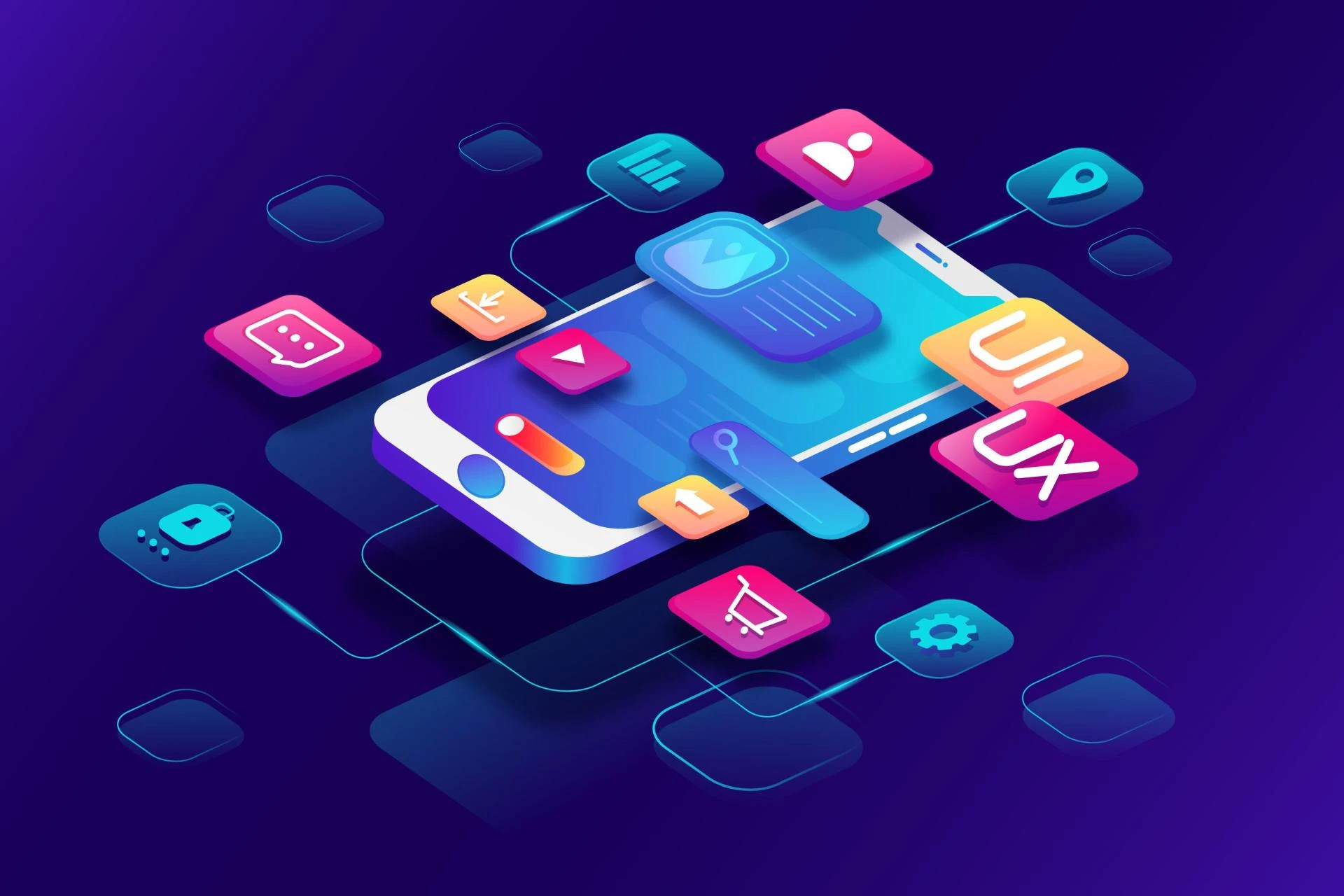

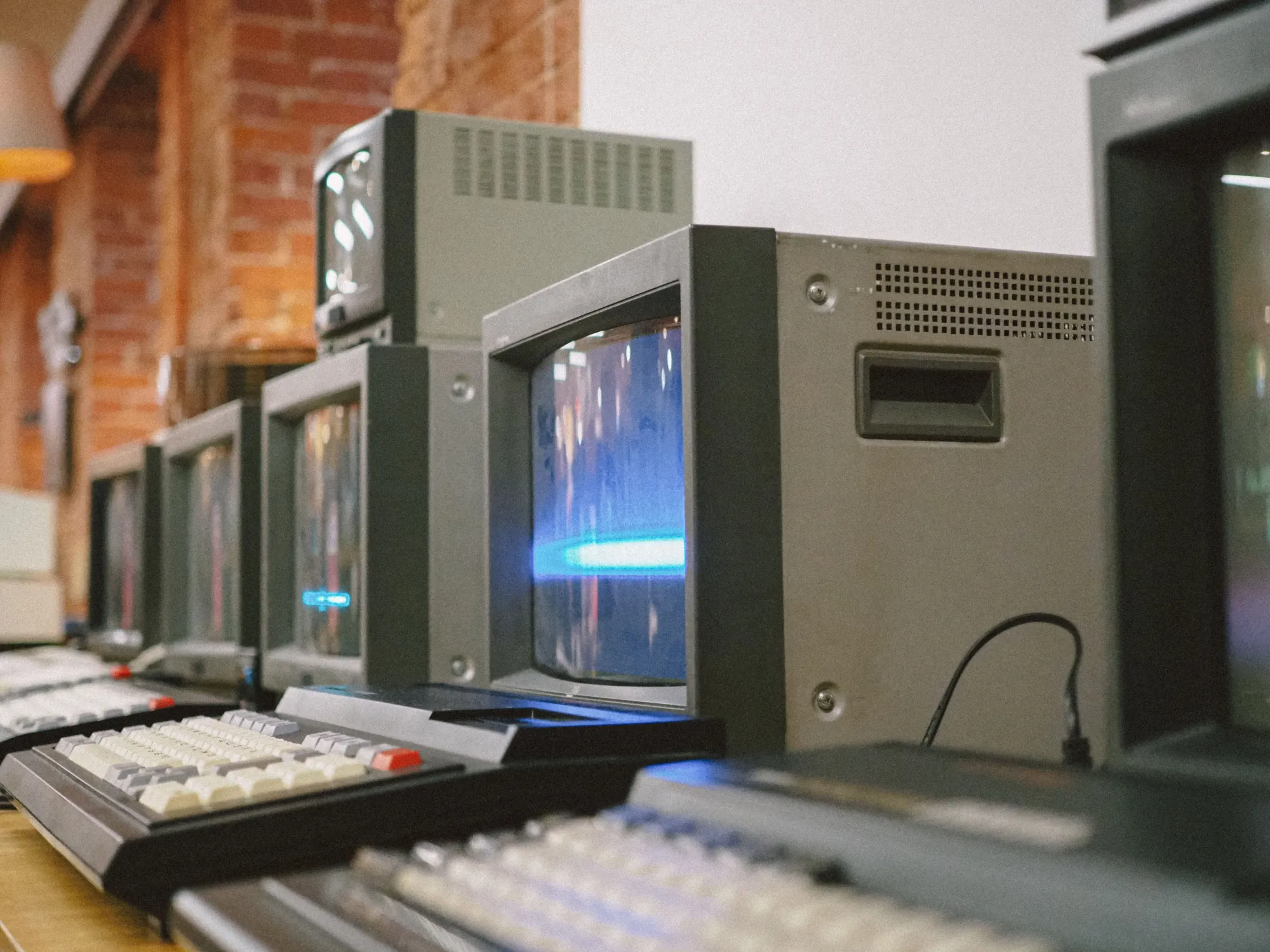
Gartner reports that over 87% of enterprises still rely on legacy systems, yet more than 70% admit these systems limit innovation, agility, security, and scalability. What once powered business success is now often a roadblock—expensive to maintain, difficult to integrate, and risky to scale. This is why legacy systems modernization is no longer just an IT initiative—it’s a strategic business transformation.
Modernizing legacy systems isn’t just about replacing old software. It’s about eliminating technical debt, improving performance, enabling future growth, and aligning technology with business goals. When done right, modernization turns outdated platforms into competitive advantage—unlocking automation, improving user experience, and enabling faster innovation.
The Shift From Maintenance to Innovation
Legacy systems demand increasing budget and effort with diminishing returns. Organizations often find themselves:
- Running outdated technology with limited support
- Spending most of their IT budget on maintenance
- Struggling with manual processes and unreliable data
- Unable to integrate with cloud, AI, or modern applications
With modernization, the budget equation flips—organizations shift from supporting old systems to building future-ready capabilities.
Instead of patching the past, modernization frees resources to innovate, automate, and scale.
Why Legacy Systems Become Technical Debt
Legacy systems become technical debt for several reasons:
- Aging infrastructure and unsupported software
- Hard-coded rules that block flexibility
- Outdated security standards and vulnerabilities
- Manual workflows instead of automation
- Lack of integration with cloud or modern digital tools
Technical debt slows down IT teams, complicates upgrades, and increases operational risk. The longer businesses avoid modernization, the more expensive the problem becomes.
Modernization Transforms Business Value
Legacy systems modernization isn’t only about technology—it impacts the entire business.
✔ Faster Digital Delivery
Modern platforms support automation, low-code development, and continuous improvement—reducing time to deploy new features from months to days.
✔ Higher Security and Compliance
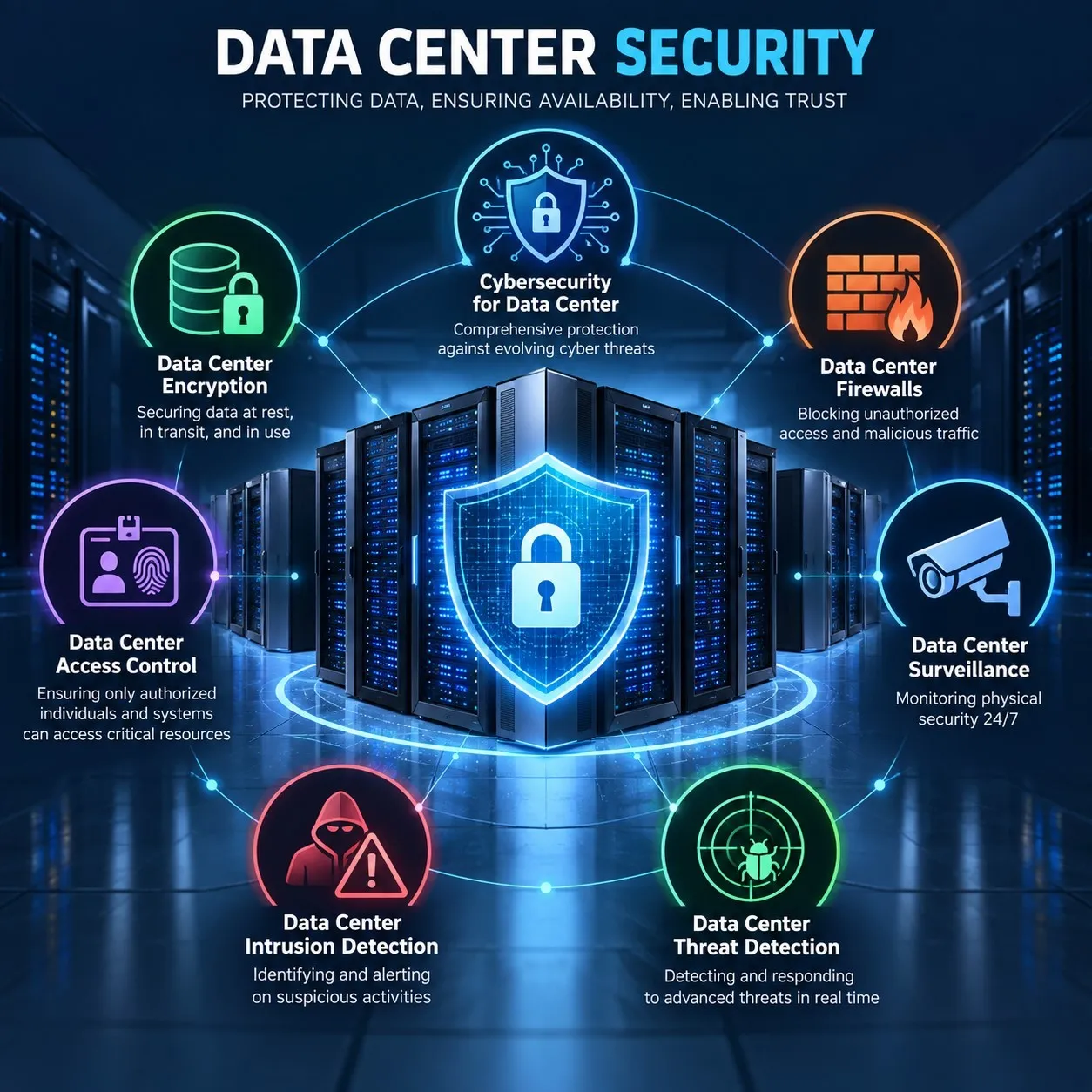
Legacy systems often lack modern encryption, identity management, and compliance frameworks. Upgrading reduces risk, strengthens cybersecurity, and helps organizations meet regulatory requirements.
✔ Improved User and Customer Experience
Modern applications offer mobile access, intuitive interfaces, real-time data, and automation—improving employee productivity and customer satisfaction.
✔ Reduced Operational Costs
Cloud-based and modern systems cut infrastructure costs, reduce downtime, and eliminate licensing and support overhead tied to outdated technology.
Common Modernization Approaches
Modernization isn't one-size-fits-all. Organizations choose the right strategy based on cost, risk, and business need.
1. Replatforming
Moving legacy systems to modern infrastructure (often cloud) with minimal changes.
2. Refactoring
Redesigning outdated logic and architecture for flexibility, scalability, and automation.
3. Rehosting ("Lift and Shift")
Migrating the existing system to cloud or new infrastructure with limited modification.
4. Replacement
Sunsetting legacy systems and adopting modern cloud-native platforms.
5. Modular Modernization
Incrementally modernizing components instead of the entire system—reducing risk.
Cloud as a Catalyst for Modernization
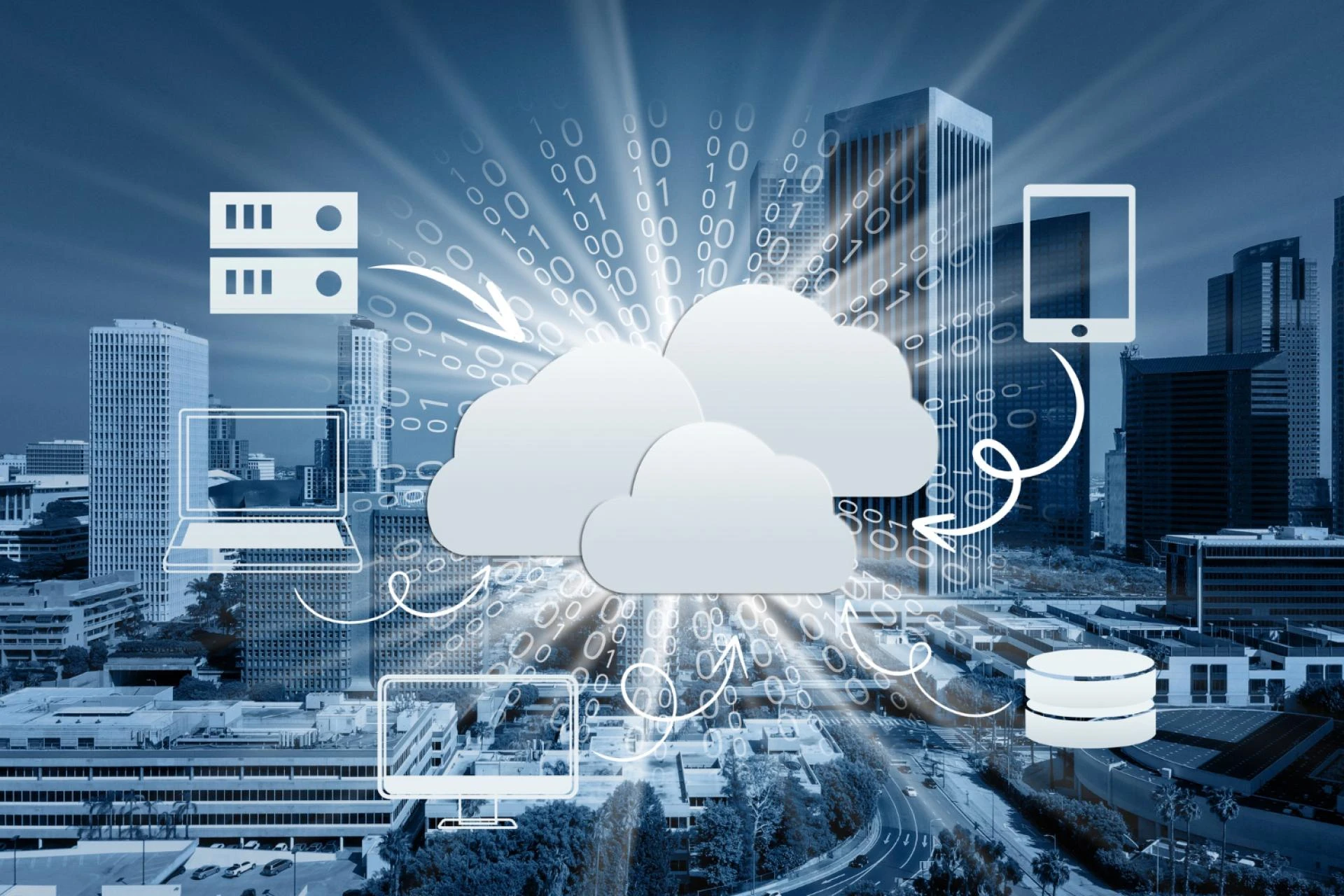
Modernization and cloud adoption go hand-in-hand. Cloud platforms provide:
- On-demand scalability
- Built-in security frameworks
- Automated updates
- Integration-ready APIs
- Reduced infrastructure cost
With hybrid and multi-cloud strategies, businesses modernize at their own pace—without disrupting ongoing operations.
How Modernization Drives Competitive Advantage
Organizations that modernize legacy systems gain measurable business advantage:
- Faster decision-making through real-time analytics
- Stronger innovation cycles supported by automation and integration
- Better workforce productivity with modern user experiences
- Ability to adopt AI, machine learning, and intelligent automation
- Consistent customer experiences across digital channels
Modernization isn’t just about keeping up—it’s about staying ahead.
Avoiding Modernization Pitfalls
Some organizations delay modernization because they fear:
- Cost
- Downtime
- Business disruption
- Data migration complexity
With the right roadmap—assessment, planning, and phased rollout—modernization becomes safe, predictable, and ROI-driven.
Best practices include:
- Running a readiness and risk assessment
- Prioritizing modernization based on business value
- Using automation and migration tooling
- Testing and piloting before enterprise rollout
- Aligning modernization with business strategy—not just technology tasks
The ROI of Legacy Systems Modernization
Organizations that modernize legacy platforms report significant impact:
- 30–50% reduction in operational costs
- Up to 60% improvement in user productivity
- Faster innovation cycles and shorter time-to-market
- Reduced outages, compliance risks, and security vulnerabilities
The ROI goes beyond savings—it supports agility, resilience, and long-term digital maturity.
Final Thoughts
Legacy systems modernization is no longer optional—it’s the strategic foundation for digital transformation. By retiring technical debt and embracing modern, scalable, secure platforms, organizations unlock business agility, accelerate innovation, and convert aging systems into future-ready assets.
Modernization doesn’t just update technology—it elevates performance, improves experience, and drives competitive advantage.























Sign in to leave a comment.