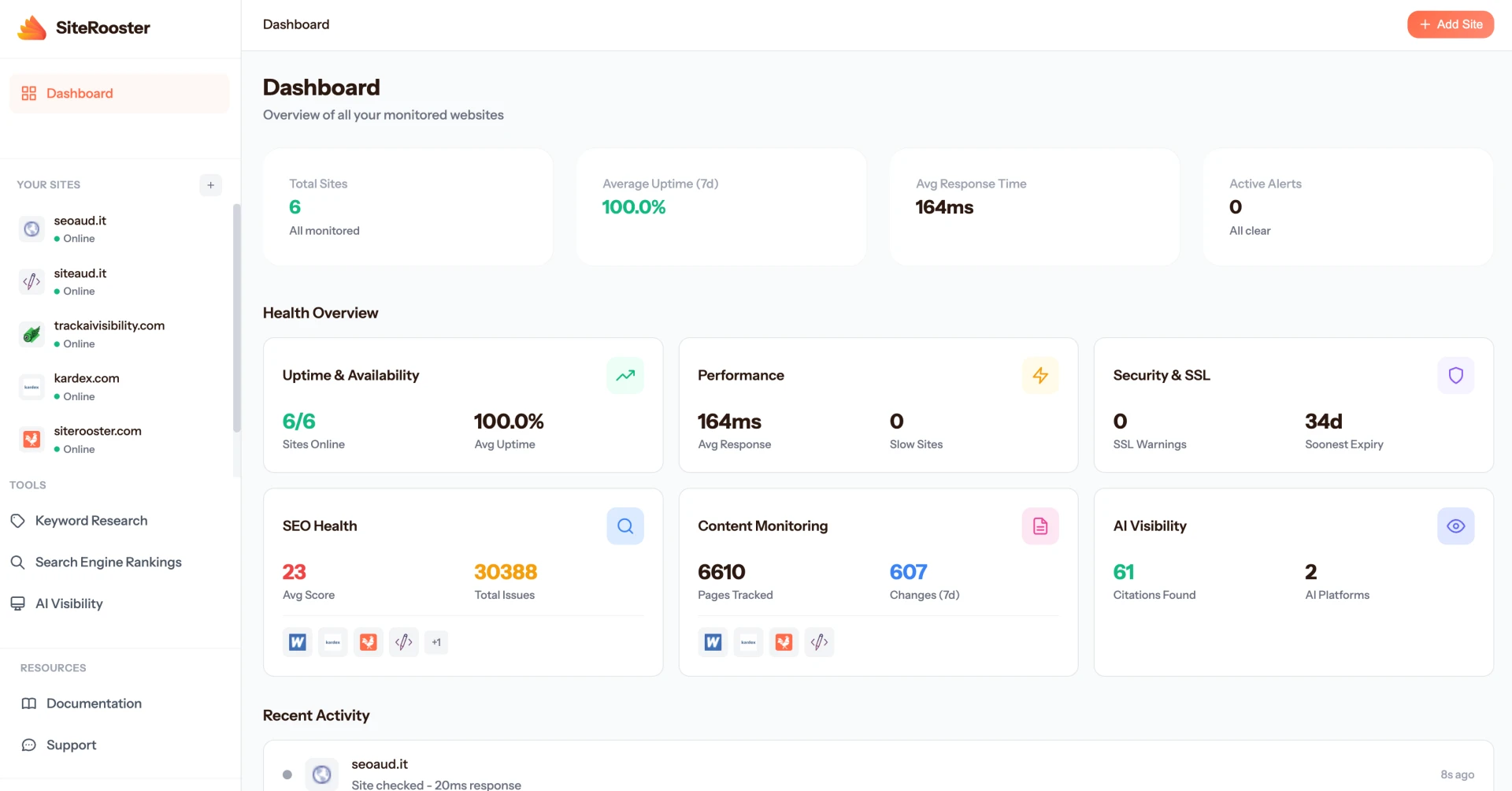
In today’s rapidly evolving digital landscape, businesses are continually seeking ways to improve efficiency, reach their target audience more effectively, and maximize return on investment. One of the most transformative approaches to achieving these goals is AI Optimisation. By integrating artificial intelligence into digital marketing strategies, companies can analyze data at unprecedented speeds, deliver highly personalized content, and refine campaigns to achieve optimal performance. From search engine optimization to paid advertising, AI Optimisation is reshaping how brands engage with their customers and achieve marketing success.
Personalization with AI Optimisation
One of the most significant advantages of AI Optimisation in marketing is its ability to deliver personalization at scale. Modern consumers expect relevant and timely experiences when interacting with brands. AI algorithms analyze user behavior, demographics, past purchases, and even social media activity to tailor marketing messages to each individual.
For example, AI-driven recommendation engines can predict which products a customer is most likely to purchase next based on their browsing history. Email marketing campaigns can also benefit from AI by determining the optimal time to send messages, crafting personalized subject lines, and recommending content that aligns with user interests. This level of personalization, powered by AI Optimisation, increases engagement, strengthens brand loyalty, and ultimately drives higher conversion rates.
AI in SEO and Content Strategy
Search engine optimization (SEO) is another area where AI Optimisation is making a significant impact. Traditional SEO strategies often relied on trial-and-error techniques and manual analysis. Today, AI tools can analyze search engine algorithms, track competitors’ content strategies, and predict the most effective keywords to target.
AI-powered content optimization tools evaluate the performance of existing content, suggesting improvements to increase readability, relevance, and search engine ranking. For instance, they can recommend adding specific phrases, adjusting headings, or enhancing meta descriptions to align with trending search queries. By leveraging AI Optimisation for SEO, marketers can ensure that their content consistently ranks high in search results, attracting more qualified traffic and enhancing online visibility.
Paid Ads Optimisation Using AI
Paid advertising campaigns, whether through social media, search engines, or display networks, can be complex and costly without the right strategy. AI Optimisation streamlines this process by analyzing large volumes of data to determine which ads are performing best and predicting how adjustments will affect campaign results.
AI systems can automatically adjust bids, target audiences more precisely, and even create ad variations optimized for specific demographics. For example, a brand running multiple campaigns on different platforms can use AI to allocate budgets where they will generate the highest return on investment. By continuously learning from performance data, AI ensures that campaigns are not just reactive but proactive, anticipating audience behavior and maximizing marketing efficiency.
Measuring Marketing ROI Through AI Optimisation
Understanding the impact of marketing efforts has always been crucial for businesses, but tracking ROI across multiple channels can be challenging. AI Optimisation provides comprehensive insights by aggregating data from various marketing platforms and analyzing it in real-time.
Advanced AI analytics can identify which strategies are driving the most conversions, the cost per acquisition, and customer lifetime value. Additionally, AI can predict future trends, enabling marketers to make informed decisions about budget allocation and campaign planning. This level of precision ensures that marketing dollars are spent wisely, ultimately enhancing overall business profitability.
Conclusion
The integration of AI Optimisation into digital marketing strategies represents a paradigm shift in how brands connect with their audiences. By enabling personalization, refining SEO and content strategies, optimizing paid advertising campaigns, and providing precise ROI measurement, AI transforms marketing from a reactive process into a proactive, data-driven approach.
Businesses that embrace AI Optimisation can expect not only improved efficiency and better allocation of resources but also stronger customer engagement and loyalty. As AI technology continues to evolve, its potential to revolutionize marketing strategies will only grow, making it an essential tool for any forward-thinking business looking to thrive in a competitive digital marketplace.

























Sign in to leave a comment.