

Lightning is a powerful natural phenomenon that can cause significant damage to buildings, electrical systems, electronic equipment, and critical infrastructure. A single lightning strike can create high electrical currents and transient voltage surges that may affect connected equipment. For businesses, industrial facilities, communication networks, and other infrastructure, having an appropriate lightning protection solution is an important part of electrical safety planning.
A well-designed protection system can help reduce the potential impact of lightning-related events and support the reliable operation of electrical and electronic equipment.
What Is a Lightning Protection Solution?
A lightning protection solution is a combination of equipment, grounding arrangements, and protective technologies designed to manage the effects of lightning and related electrical surges.
Lightning protection is not limited to protecting a building from a direct strike. Electrical systems can also be affected by electromagnetic effects and transient surges caused by nearby lightning activity. These disturbances can travel through power lines, communication cables, and other connected infrastructure.
A suitable protection strategy considers the complete electrical environment and identifies potential paths through which lightning-related energy can enter a facility.
Why Is Lightning Protection Important?
Modern buildings and industrial facilities contain a growing number of sensitive electronic systems. Computers, networking equipment, CCTV cameras, communication systems, industrial controllers, security equipment, and other electronic devices can be vulnerable to transient electrical events.
Lightning-related surges may damage electronic components, interrupt operations, or create unexpected equipment failures. In critical environments, even a short interruption can affect productivity and system availability.
Installing an appropriate lightning protection system can therefore form an important part of an organization's broader electrical protection strategy.
How Does Lightning Protection Work?
A lightning protection system generally works by providing controlled paths for lightning-related electrical energy and reducing the likelihood that the energy will travel through sensitive equipment.
A complete protection approach may involve external lightning protection, grounding systems, bonding, and surge protection devices. Each component has a specific role within the overall system.
Grounding provides a controlled path for electrical current, while surge protection helps limit transient voltage levels reaching connected equipment. Proper bonding can also help reduce potentially dangerous voltage differences between conductive parts of an installation.
The exact design depends on the building, electrical system, equipment, environmental conditions, and applicable standards.
Lightning Protection for Industrial Facilities
Industrial facilities often contain complex electrical and electronic infrastructure. Manufacturing equipment, automation systems, control panels, communication networks, surveillance systems, and power distribution equipment may all operate within the same environment.
A lightning event can potentially affect several interconnected systems at once. This makes electrical protection particularly important for facilities where equipment reliability and operational continuity are essential.
A properly planned lightning protection solution can be incorporated into the facility's overall electrical infrastructure to help address potential lightning and surge-related risks.
Protecting Sensitive Electronic Equipment
Electronic equipment can be particularly sensitive to transient voltage events. Devices such as network switches, CCTV systems, computers, communication equipment, and industrial controllers may contain delicate electronic components.
Surge protection and appropriate grounding can help reduce the exposure of these devices to electrical disturbances. However, protection should be planned according to the specific characteristics of the installation rather than relying on a single protective component.
Businesses should consider power systems, communication networks, outdoor equipment, and other connected infrastructure when evaluating their protection requirements.
Role of Grounding in Lightning Protection
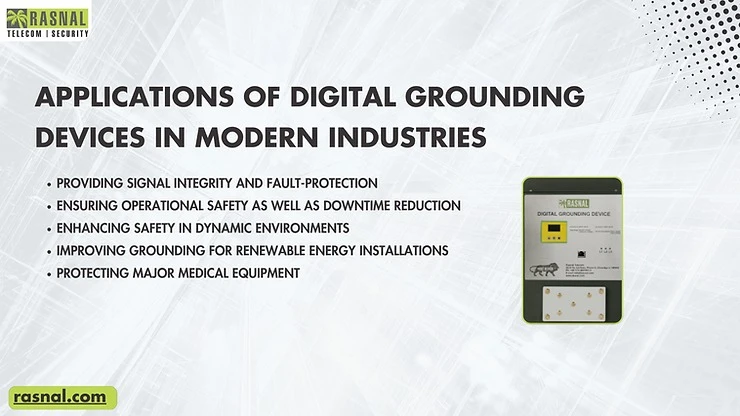
Grounding is a fundamental component of many electrical protection systems. It provides a controlled path for unwanted electrical current and supports the effective operation of protective equipment.
Poor or inadequate grounding can reduce the effectiveness of an overall protection strategy. For this reason, grounding should be considered alongside lightning protection and surge protection when designing electrical infrastructure.
Regular inspection and maintenance can also help ensure that grounding and protection components remain suitable for the operating environment.
Choosing the Right Lightning Protection Solution
Every facility has different protection requirements. Before selecting a solution, organizations should consider the building structure, electrical distribution system, connected equipment, location, environmental conditions, and potential exposure to lightning.
Professional assessment can help identify suitable protection measures and determine how different components should work together.
It is also important to choose technologies that are appropriate for the specific application and to ensure that installation follows relevant electrical and safety requirements.
Explore Rasnal Lightning Protection Solutions
Rasnal provides technologies for lightning protection and grounding applications across commercial, industrial, and infrastructure environments. Organizations looking for a lightning protection solution can explore the available technologies and understand how they may fit into their electrical protection requirements.
Conclusion
Lightning can pose a significant risk to electrical infrastructure and sensitive electronic equipment. As businesses increasingly depend on connected technology, protecting electrical systems from lightning-related disturbances has become an important consideration.
A comprehensive lightning protection solution can combine suitable lightning protection, grounding, bonding, and surge protection technologies to help reduce potential risks. The right approach depends on the characteristics and requirements of each installation.
By evaluating their electrical infrastructure and implementing suitable protection measures, businesses can work toward a safer and more reliable operating environment. Exploring professional lightning and grounding technologies can be an important step in developing an effective electrical protection strategy.
























Sign in to leave a comment.