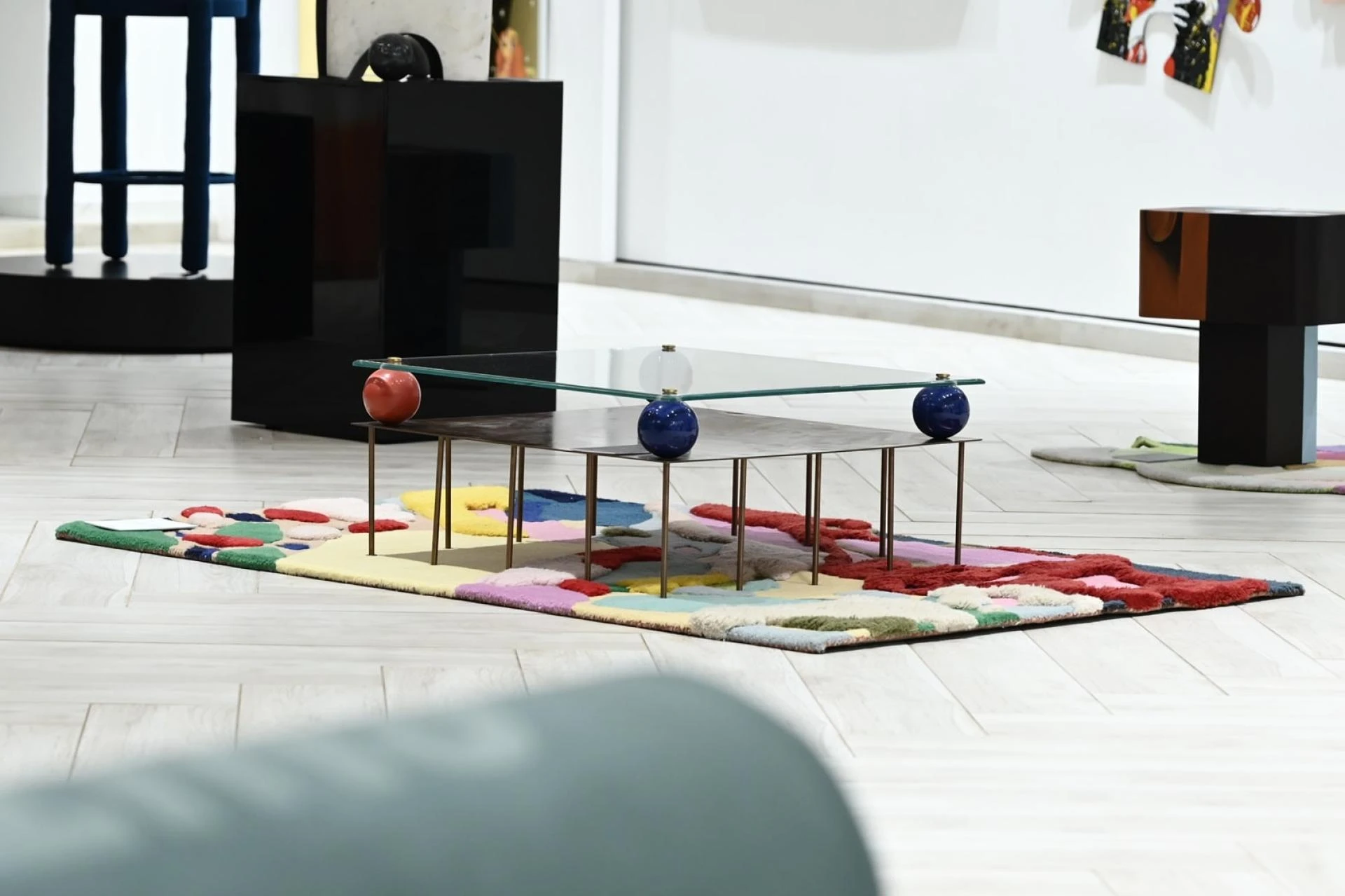

Living rooms today are no longer single-purpose spaces. They function as social hubs, relaxation zones, and sometimes even work areas. In such multifunctional environments, living area rugs play a critical role, not as decorative extras, but as spatial anchors that bring clarity, balance, and structure to the room.
At Loops by LJ, rugs are designed with this evolving role in mind, blending craftsmanship with intentional design to support how modern homes are actually lived in.
What Are Living Area Rugs?
Living area rugs are large-format rugs placed within seating zones to visually and functionally define the living space. Unlike small accent rugs, they interact directly with furniture layout, walking paths, and sightlines.
Interior designers often describe them as the “foundation layer” of a living room, setting the tone for everything placed above them.
How Living Area Rugs Create Visual Balance?
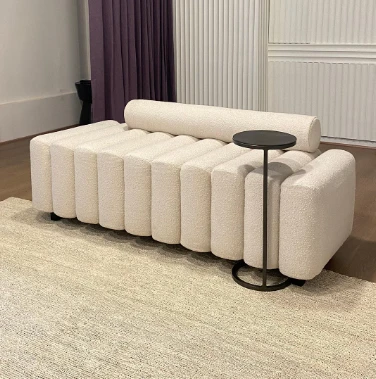
A well-chosen rug helps unify individual furniture pieces into a cohesive layout. Sofas, chairs, and tables may differ in shape or material, but when grounded by a single rug, they read as one intentional composition.
Key design principles include:
- Aligning rug edges with the main seating arrangement
- Allowing consistent spacing around furniture legs
- Choosing patterns that complement, not compete with, surrounding décor
Loops by LJ focuses on proportion-led rug designs that naturally support these principles.
Rugs as Focal Points, Not Backgrounds
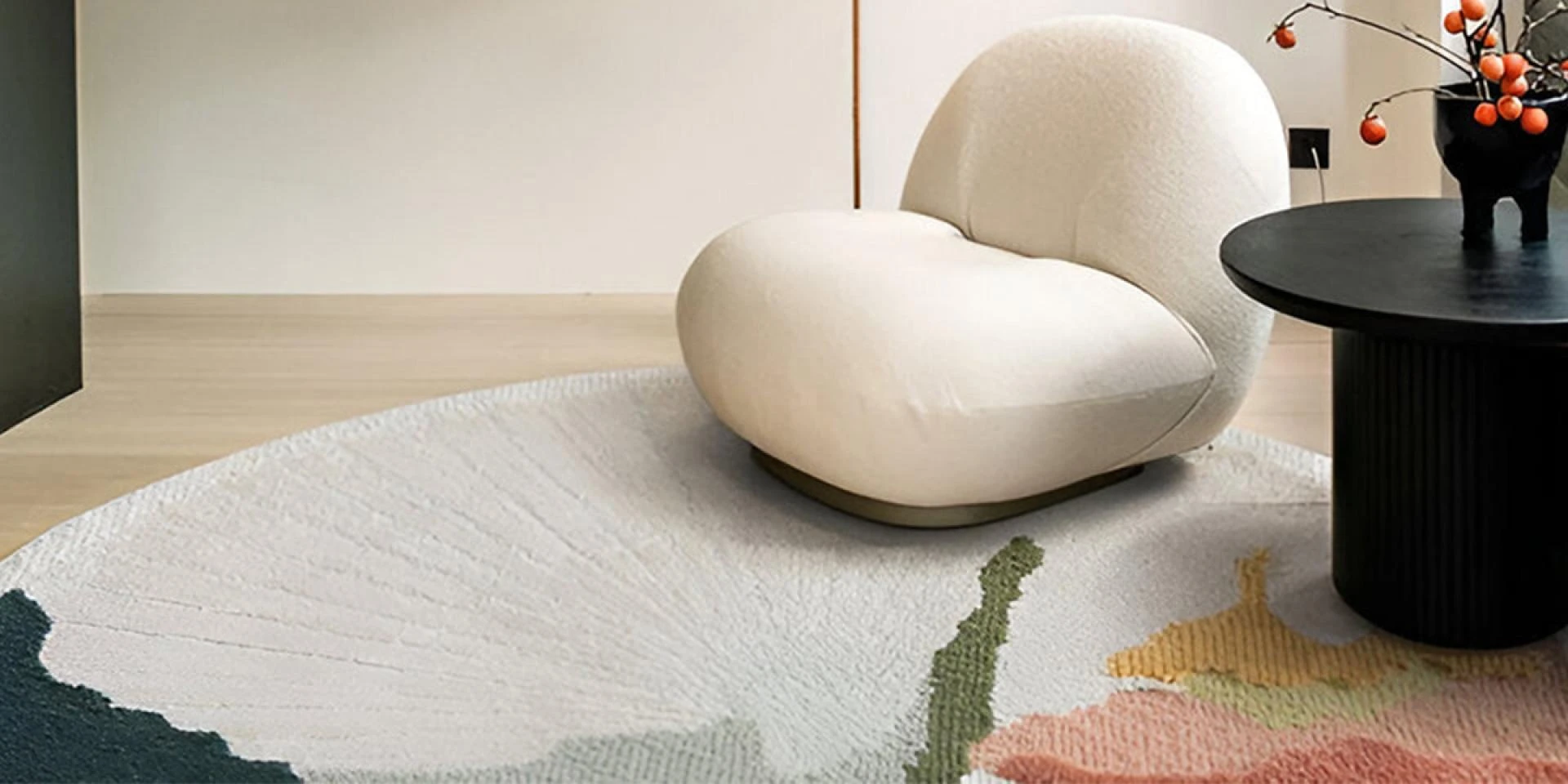
Contrary to common belief, living area rugs don’t always need to fade into the background. When thoughtfully placed, they can become subtle focal points, drawing the eye inward and anchoring the room’s visual weight.
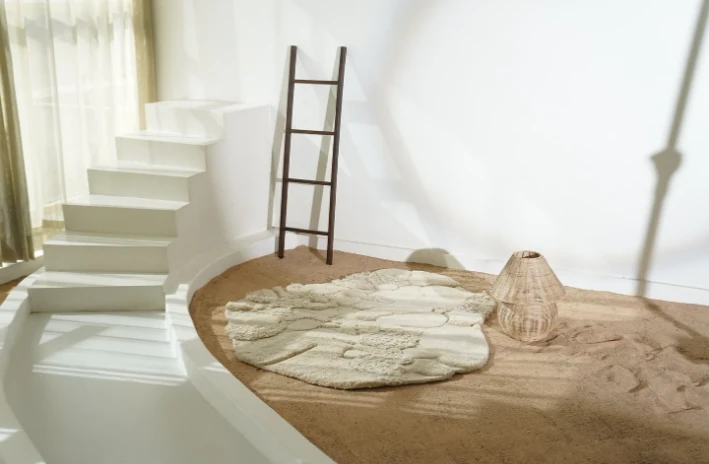
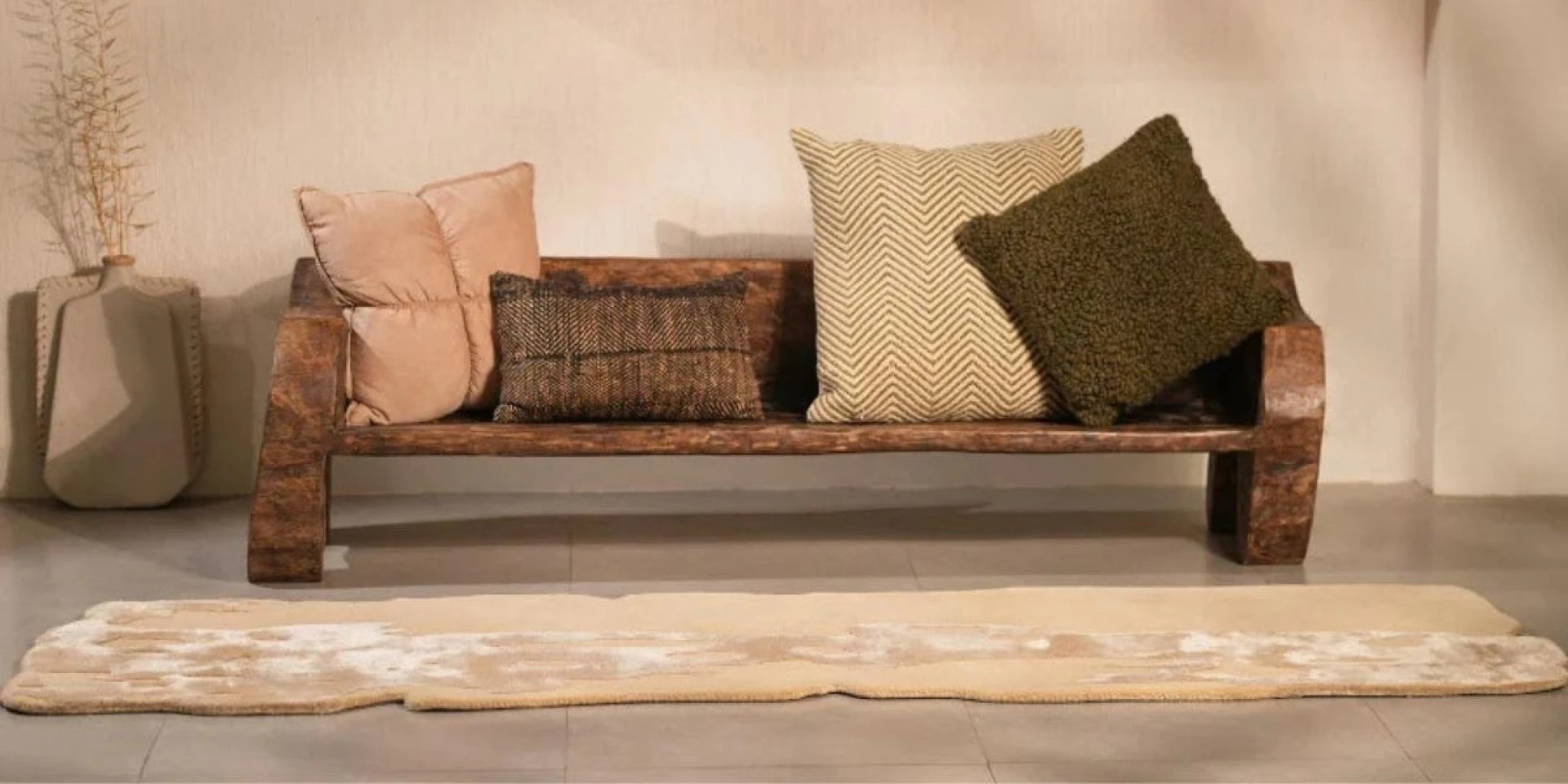
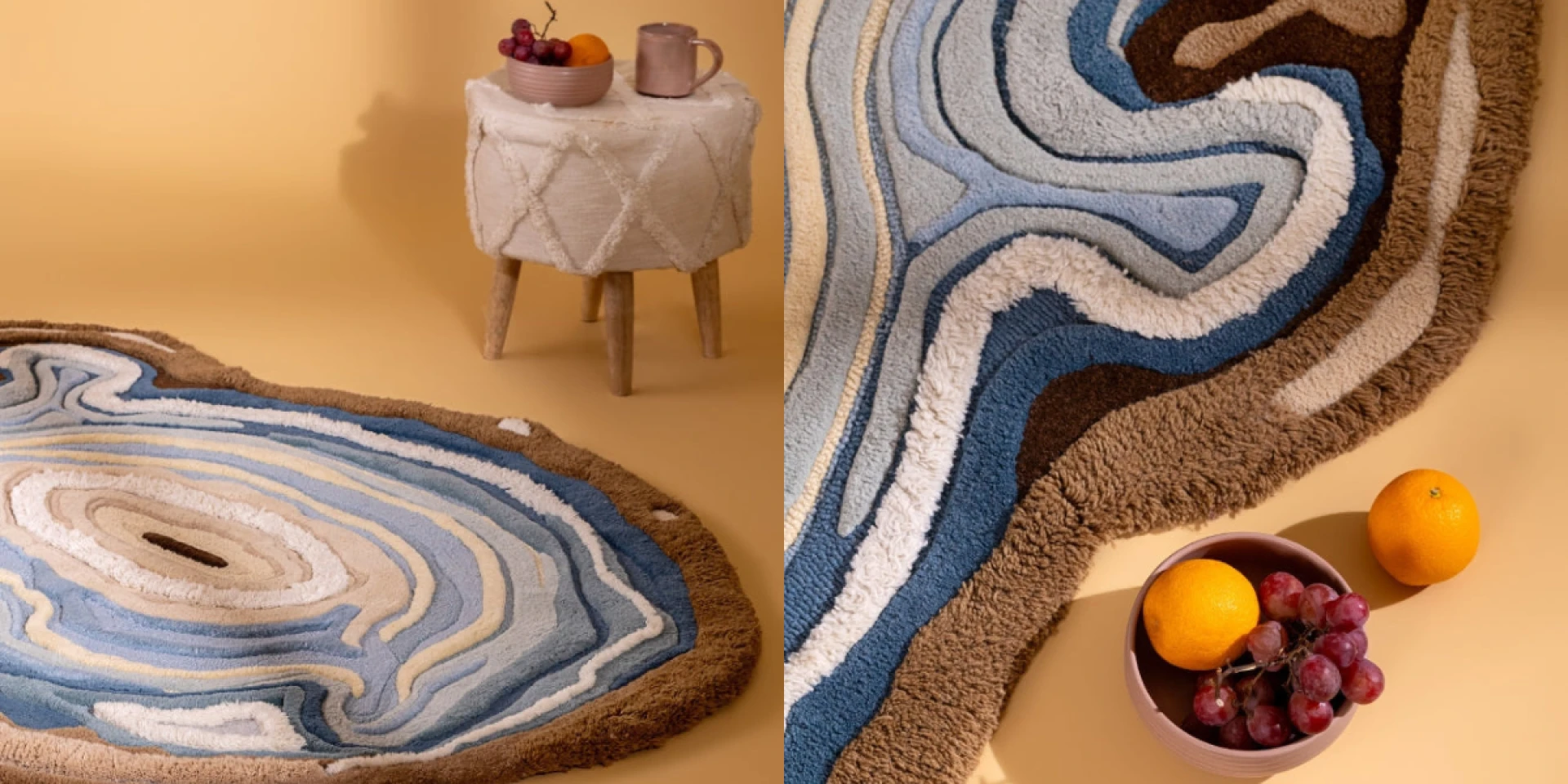
Textured surfaces, tonal variations, and handcrafted details allow rugs to stand out without overwhelming the space. This approach works particularly well in minimalist or neutral interiors where texture replaces color as the primary design language.
Functional Benefits Beyond Aesthetics
Living area rugs also improve how a space feels and functions:
- Comfort: They soften hard floors and create a more inviting seating area
- Acoustics: Rugs absorb sound, reducing echo in open-plan rooms
- Flow: Defined rug zones help guide movement and layout logic
These benefits make rugs essential for both large and compact living spaces.
Choosing the Right Rug for Long-Term Use
A rug for the living area should be selected with longevity in mind. Materials like wool offer durability and resilience, while handcrafted construction ensures the rug maintains its structure over time.
Loops by LJ emphasizes rugs that adapt as interiors evolve, working just as well with a future sofa or layout as they do today.
Common Misconceptions About Living Area Rugs
Some homeowners hesitate to invest in larger rugs due to concerns about dominance or maintenance. In reality, oversized rugs often make rooms feel more expansive and cohesive, while high-quality materials simplify upkeep rather than complicate it.
The key lies in choosing the right scale and construction, not avoiding living area rugs altogether.
A Design-Led Perspective on Placement
When treated as artistic elements rather than afterthoughts, living area rugs can transform the entire mood of a room. Placement, texture, and proportion work together to elevate everyday living into a more intentional experience.










Sign in to leave a comment.