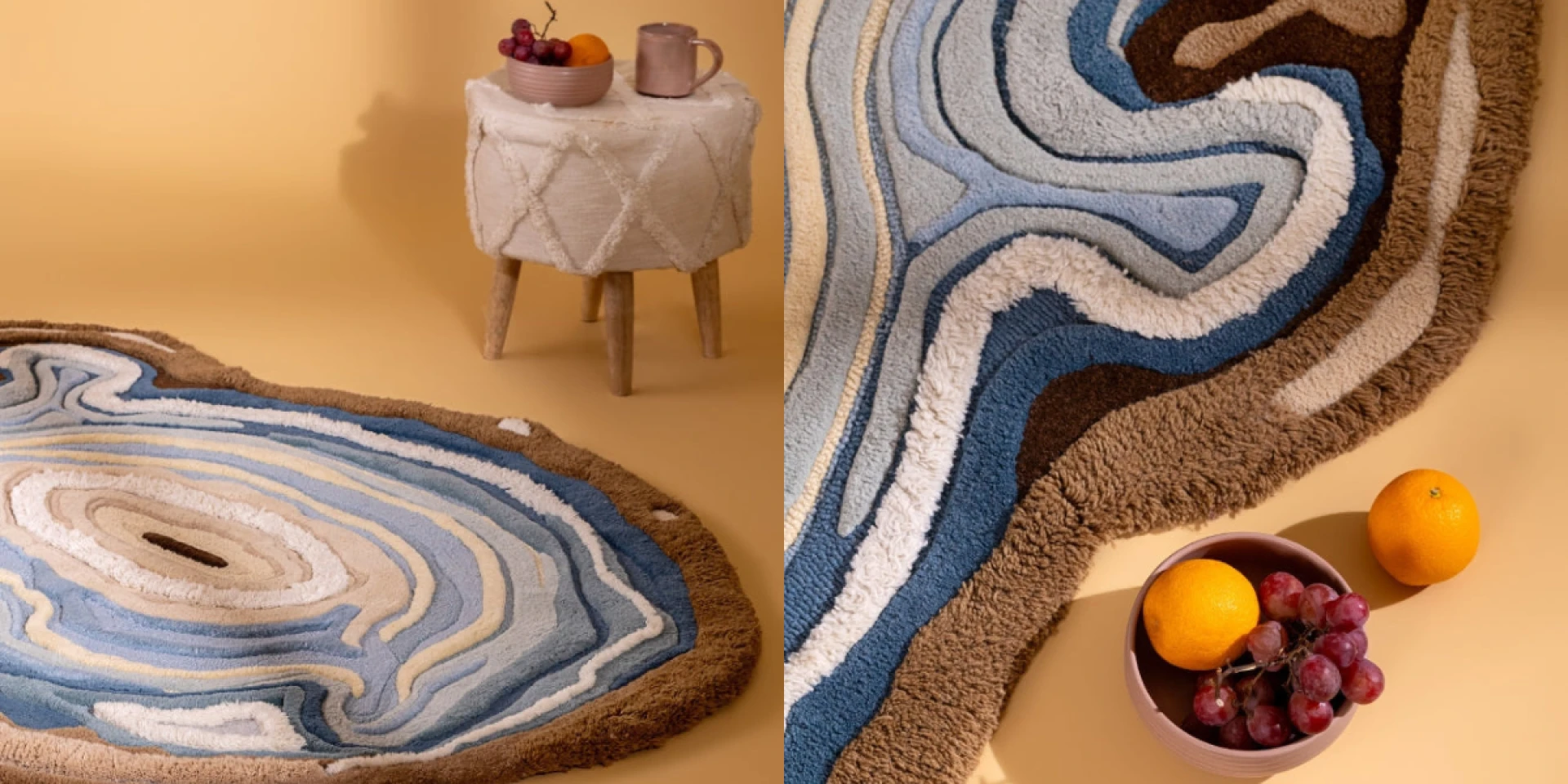

Modern interiors prioritize clean lines, balanced textures, and intentional layouts. Within this framework, modern area rugs play a critical role in defining zones, enhancing spatial harmony, and introducing visual structure. Rather than acting as decorative afterthoughts, area rugs function as foundational design elements that influence both aesthetics and functionality.
Understanding how modern area rugs contribute to spatial planning helps homeowners make informed design decisions that strengthen overall cohesion.
What Defines a Modern Area Rug?
Modern area rugs are characterized by:
- Minimalist or abstract patterns
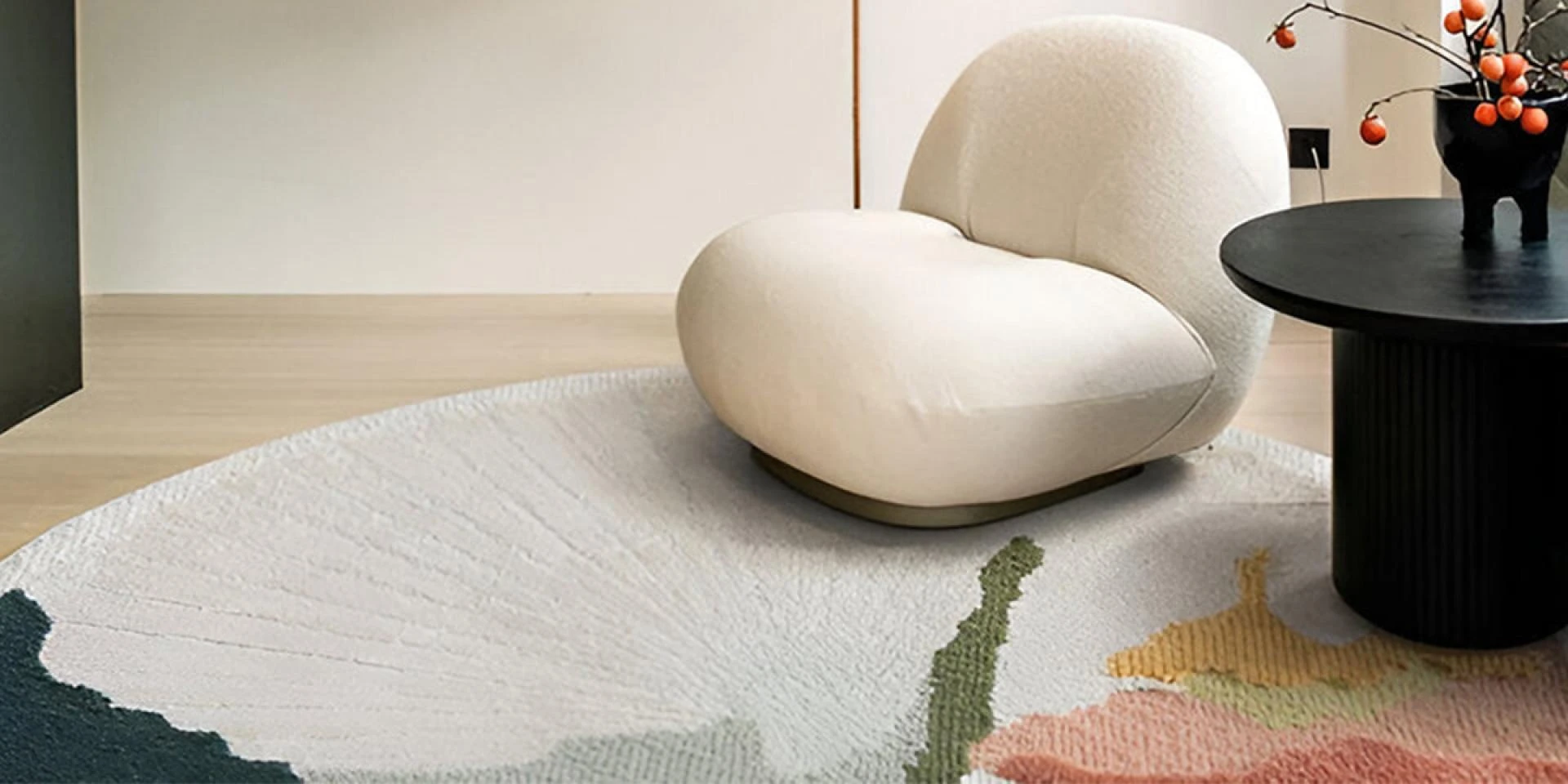
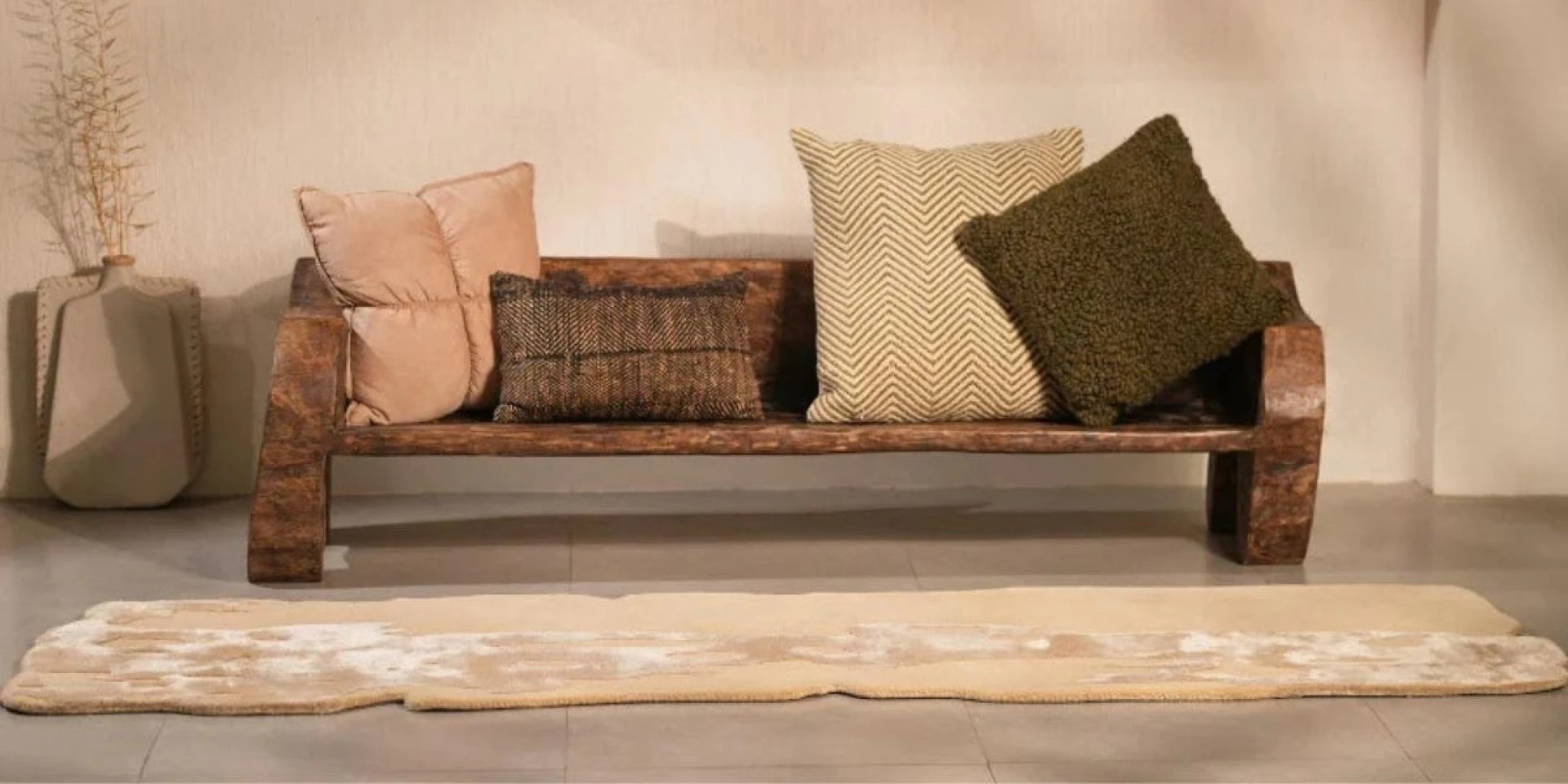
- Neutral or muted color palettes
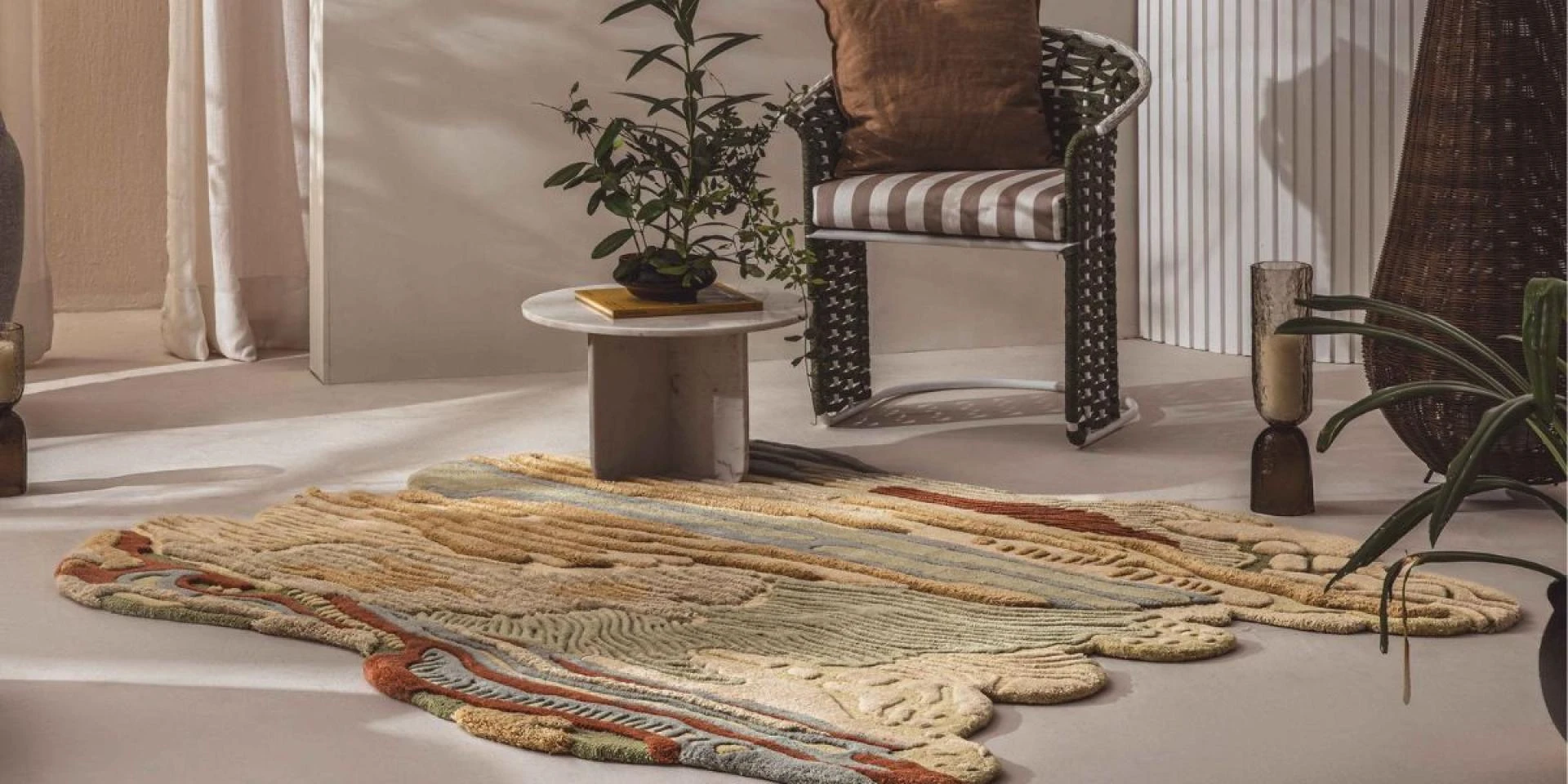
- Geometric or organic shapes
- Textural contrast over heavy ornamentation
Unlike traditional motifs, modern designs emphasize simplicity and adaptability. This allows them to complement evolving décor styles without overpowering the room.
For curated options that align with contemporary layouts, explore modern area rugs designed to support balanced and refined interiors.
Why Area Rugs Matter in Contemporary Design
Area rugs influence more than appearance. Their impact includes:
1. Spatial Zoning
In open-concept homes, rugs visually define living, dining, or lounge areas without physical barriers.
2. Acoustic Enhancement
Soft surfaces absorb sound, reducing echo in larger or minimally furnished spaces.
3. Comfort & Insulation
Area rugs provide warmth underfoot while protecting flooring surfaces.
4. Visual Anchoring
They ground furniture arrangements, ensuring sofas, tables, and chairs feel connected rather than scattered.
Selecting the Right Size and Placement
Correct sizing is essential for balance. A rug that is too small can disrupt visual flow, while one that is too large may overwhelm the space.
General placement guidelines:
- Living rooms: Front legs of sofas and chairs should rest on the rug.
- Dining areas: Ensure chairs remain on the rug even when pulled out.
- Bedrooms: Extend the rug beyond the sides and foot of the bed for proportion.
Thoughtful placement enhances both aesthetics and functionality.
Material and Construction Considerations
Modern area rugs are available in various construction techniques, including hand-tufted, hand-woven, and hand-knotted options. Each method influences durability and texture.
Wool blends often provide resilience and insulation, while low- to medium-pile constructions perform well in high-traffic environments. Evaluating fiber composition ensures long-term suitability for your space.
Brands like Loops by LJ emphasize material clarity and craftsmanship transparency, allowing buyers to assess structural integrity alongside visual appeal.
Timeless Design for Evolving Spaces
Modern design evolves, but foundational pieces should remain adaptable. Neutral tones, subtle patterns, and textural depth allow area rugs to transition seamlessly through décor updates.
By prioritizing proportion, construction quality, and versatility, homeowners can select rugs that maintain relevance for years.
Final Thoughts
Modern interiors rely on intentional design choices, and area rugs serve as the visual and functional anchor within those spaces. Selecting thoughtfully ensures improved layout balance, enhanced comfort, and long-term durability.
Brands such as Loops by LJ demonstrate how contemporary craftsmanship and refined design can work together — reinforcing that well-chosen modern area rugs are not merely accessories, but structural elements of sophisticated living spaces.


























Sign in to leave a comment.