
Kiosk technology has constantly ushered operations toward optimization. Its development has kept up with the times throughout its evolution, cementing its relevance in the modern office.
The modern office has moved toward hybrid and remote arrangements as it navigates the post-pandemic society. Lobby kiosk systems then help facilitate the various aspects of the hybrid experience for hosts and visitors alike.
What is a Lobby Kiosk?
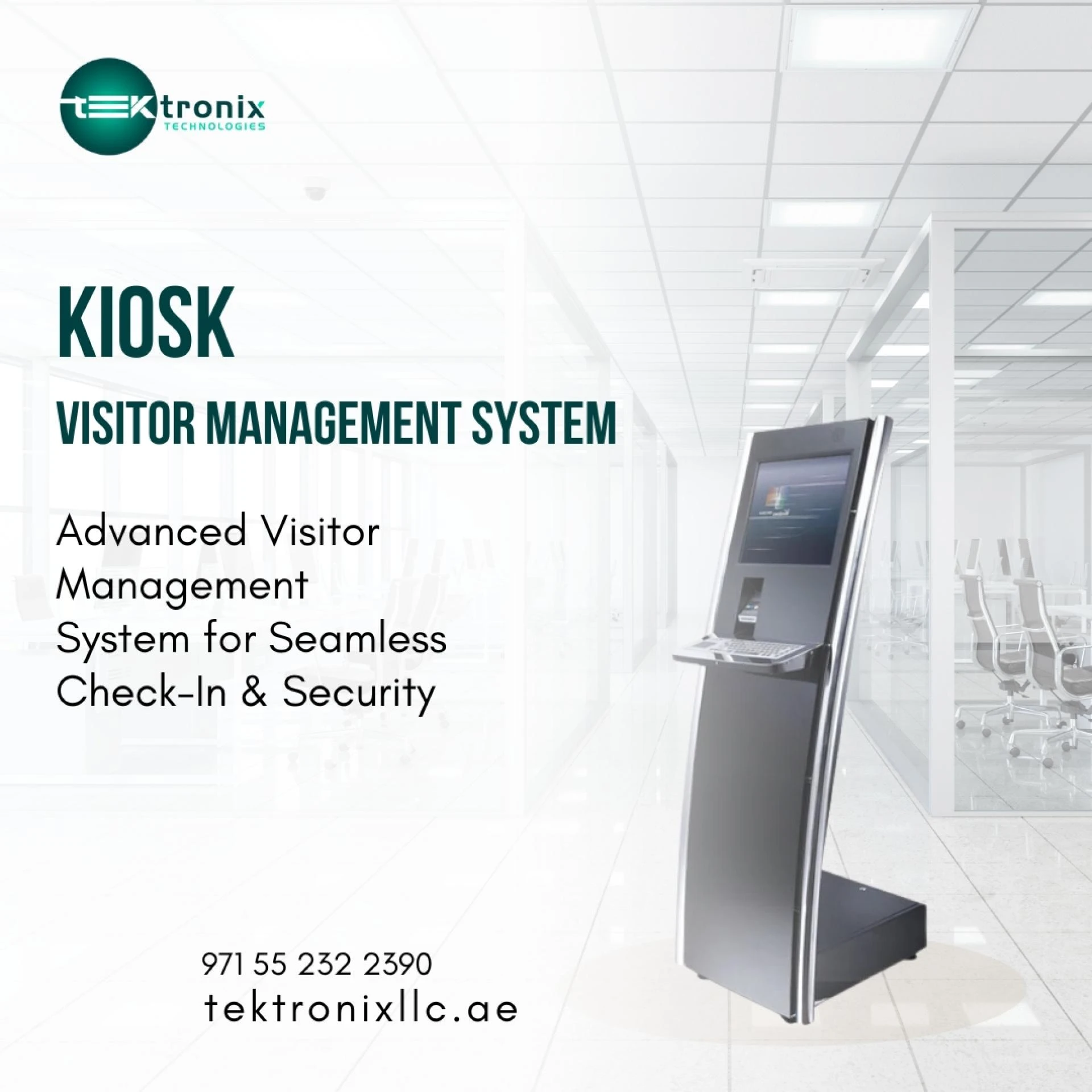
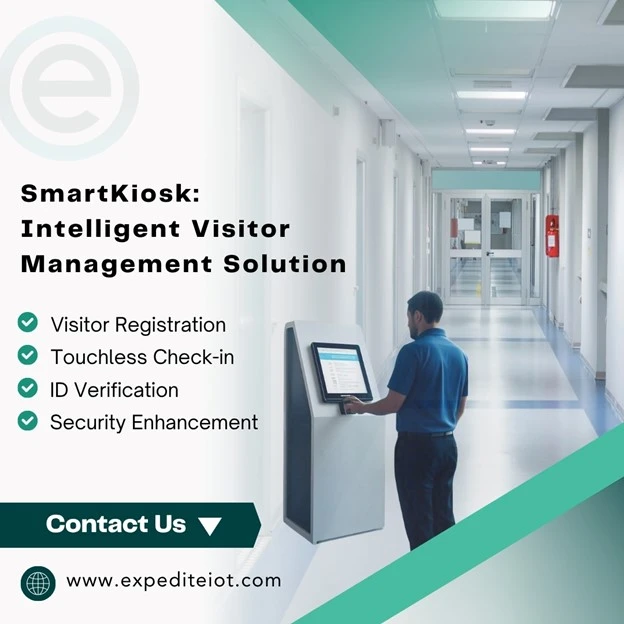
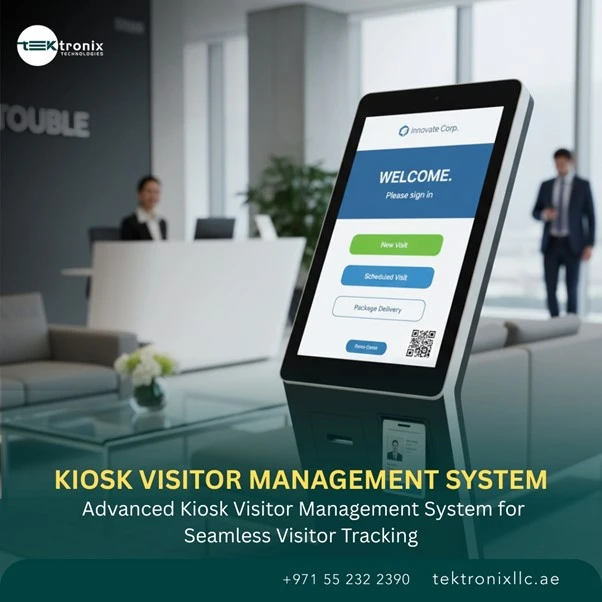
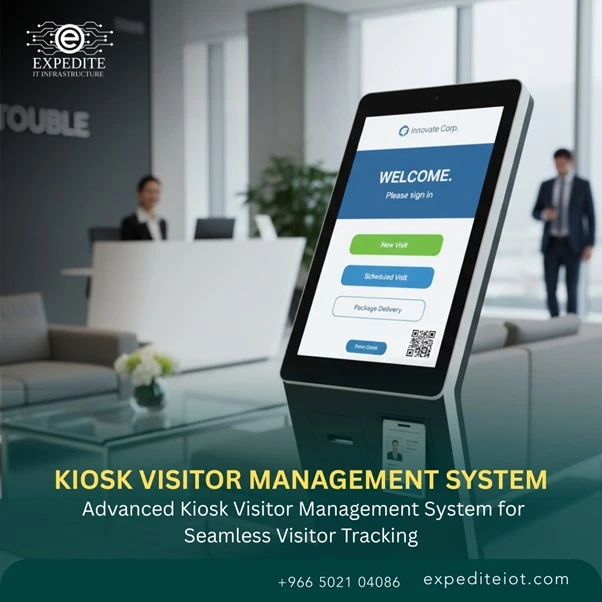
A lobby kiosk system refers to an interactive or display setup that is self-service in nature and is installed in a lobby or entrance area of a building. Nowadays, it has progressed beyond simple information screens to versatile self-service stations with multiple functions. Its fundamental features may include the printing of visitor badges, navigation, and security measures.
When incorporated with hoteling software, a lobby kiosk system transforms interactions as individuals are empowered to transact, access information, and complete tasks all on their own.
In this article, we'll explore the features to look for, the benefits to look forward to, and the things to consider before investing in one.
Benefits of Lobby Kiosks
Contrary to the usual conception, kiosk technology goes beyond commercial settings and purposes. Its presence has long permeated non-commercial and public settings, such as:
Healthcare Facilities: Visitor management is crucial in these institutions as there is a constant inflow of patients and hospital personnel. Kiosks then may aid in patient check-in, appointment scheduling, and health information access.Educational Institutions: Universities and colleges may employ kiosks for campus navigation, event information, and record logs as part of their student and support services.Transportation Hubs: Bus terminals, trains, and airports can use kiosks to offer transportation information, ticket purchasing, and navigation.Residential Areas: Condominiums or apartment complexes might use kiosks for resident communication, package notifications, and amenities booking. Lobby kiosks may also be integrated with security cameras or visitor logs, which may serve as a protective measure for the residents. Public Buildings: Government buildings, community centers, libraries, and other public spaces may use lobby kiosks to streamline their transactions and provide information and other services to the public.Now, even if you don't find yourself exactly falling into the commercial and non-commercial types, having such a system in place will still aid in:
Reduction of crowdingSupplying customers with helpful informationOffering user convenienceEnhancing earningsOptimizing resourcesDecreasing operational costsIf you agree with even one of the listed goals above, you are more than fit to have a desk booking kiosk integrated into your day-to-day operations. After all, lobby kiosks are all about creating a satisfying user experience while achieving operational efficiency.
What Should I Look For in a Lobby Kiosk System?
The versatility of a lobby kiosk system allows it to be tailor-fit to specific needs for various contexts. But before we delve into its versatility, which deserves its own post, here are some of the fundamentals to be on the lookout for:
#1. Streamlined Check-in Processes
Lobby kiosk systems have transformed visitor check-in experiences through their desk booking and hoteling software. Offices or buildings might use lobby kiosks for visitor registration, which would then expedite the process for comebacks and future schedules.
#2. Self-Service Information
Empowerment through the screen is fostered as visitors are provided with the convenience of making bookings, knowing event schedules, checking reservations, and other relevant data.
#3. Visitor Badges and Security
Kiosks enhance security by issuing accurate and up-to-date visitor badges and visitor logs.
#4. Wayfinding
Ease of navigation may be ensured by providing visitors with maps, directories, and schedules. This will aid in easing them into the ins and outs of your building - ultimately breeding familiarity.
#5. Queue Management
Kiosks can help visitors join waiting lists or check their place in a queue. This eases the administrative burden of monitoring, modifying, and overseeing the schedules and reservations.
But before deciding on how crucial it is to invest in a lobby kiosk system, you may want to consider the following:
Top Considerations When Utilizing A Lobby Kiosk System
LocationLocation considerations are crucial for a kiosk system's success. You may discuss with your team any strategic placement for its maximum visibility and accessibility.
Maintenance and supportLike any office device, it needs a maintenance plan. You may need to invest in its regular upkeeping and technical support. After all, proper upkeep is required to ensure optimal function at all times.
Integration RisksA desk booking kiosk should seamlessly integrate with your other software and systems in place. Schedules, visitor logs, reservations, and other material data should be seamlessly transmitted within and between systems for administrators to monitor.
Hardware and Software SelectionChoose hardware components (touchscreen, printer, camera, etc.) and software applications that align with your objectives and requirements. Ensure compatibility and reliability.
Human InteractionWhile lobby kiosks are lauded for streamlining office scheduling and space reservations, the other side of the coin might bring the detriment of the lack of human interaction.
Assess your organizational values and the nature of your operations. Depending solely on kiosks might eliminate the opportunity for human interaction, which can be important for certain customer service scenarios.
The Takeaway
We cannot deny nor do away with the significance of desk kiosk systems in enhancing customer experiences and optimizing business operations. Indeed, improved visitor experience goes hand-in-hand with resource optimization, as shorter wait times also mean freeing up your staff to engage in more valuable tasks.
When strategically integrated into a hybrid arrangement, lobby kiosk systems enhance physical and virtual experiences for all participants. Indeed, with countless innovations unfolding, having a lobby kiosk is one way to stay ahead in an increasingly digital world.




Sign in to leave a comment.