
Pelvic fractures are among the most complex orthopedic injuries, often resulting from high-impact accidents, falls from significant heights, or severe trauma. Since the pelvis supports the body's weight and protects vital organs, timely and appropriate treatment is essential for restoring mobility and preventing long-term complications. In many cases, orthopedic surgeons recommend locking pelvic plates to stabilize fractured bones and promote proper healing.
Choosing the right locking pelvic plate is not a decision patients make on their own. It depends on several clinical factors, including the type of fracture, bone quality, and the patient's overall health. Understanding how these implants work can help patients and caregivers feel more confident about the treatment process.
Understanding Locking Pelvic Plates
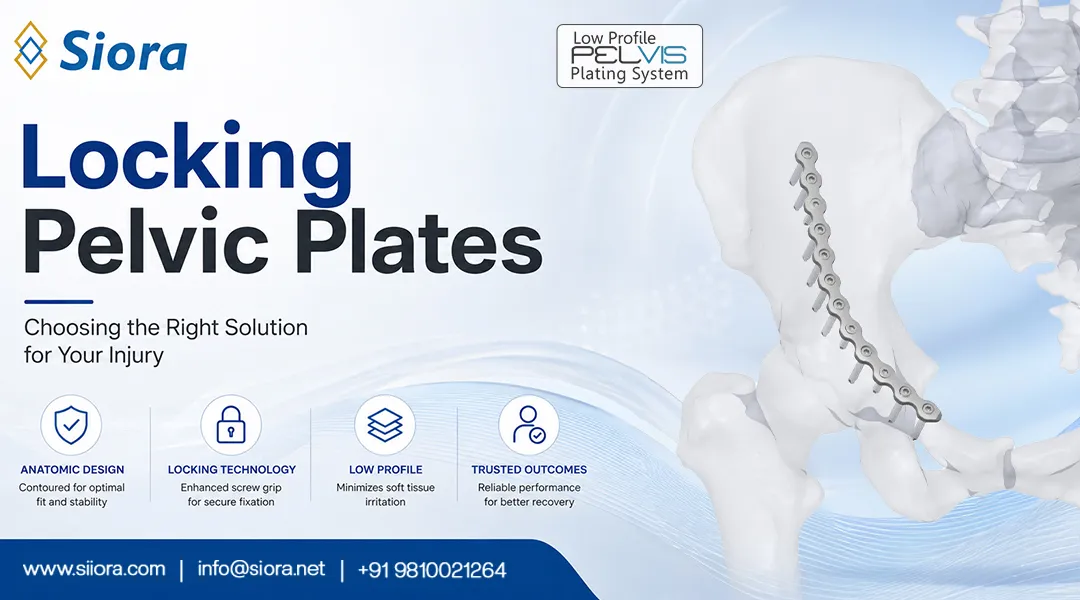
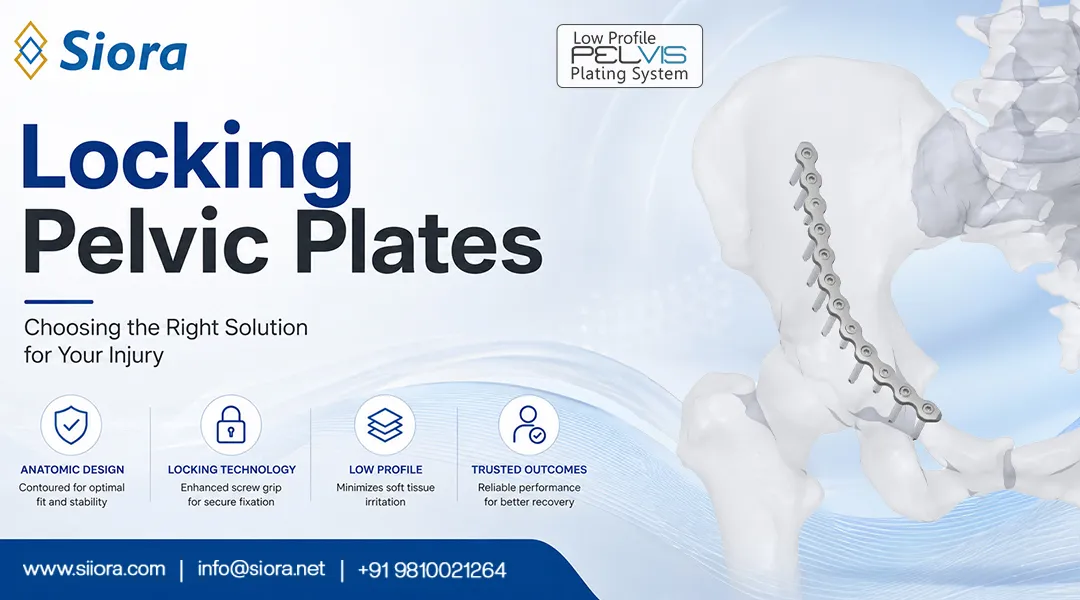
Locking pelvic plates are specially designed orthopedic implants used to stabilize fractures of the pelvic ring and acetabulum. Unlike conventional plates, locking plates use screws that lock securely into the plate itself, creating a stable, fixed-angle construct. This design minimizes movement at the fracture site and provides reliable support during the healing phase.
Because the screws and plate function as a single unit, the implant offers greater stability, especially in complex fractures where maintaining proper bone alignment is challenging.
When Are Locking Pelvic Plates Recommended?
Not every pelvic fracture requires surgical fixation. Minor, stable fractures may heal with rest, pain management, and rehabilitation. However, surgery becomes necessary when the fracture is unstable or when the bones have shifted out of alignment.
Orthopedic surgeons may recommend locking pelvic plates in situations such as:
- Unstable pelvic ring fractures
- Acetabular fractures involving the hip socket
- Multiple fracture fragments
- High-energy trauma injuries
- Fractures with significant displacement
- Cases requiring early mobilization
The primary goal is to restore the natural anatomy of the pelvis while allowing patients to regain movement safely.
Factors That Influence Implant Selection
Selecting the most suitable locking pelvic plate involves careful planning. Surgeons evaluate several factors before deciding on the implant.
Fracture Pattern
Every pelvic fracture is unique. Some affect the front of the pelvis, while others involve the posterior ring or acetabulum. Different fracture configurations require different plate shapes and fixation techniques to achieve optimal stability.
Bone Quality
Patients with osteoporosis or reduced bone density often require implants that provide enhanced fixation. Locking technology is particularly beneficial because it offers stronger support even when bone quality is compromised.
Implant Design
Modern locking pelvic plates are available in various lengths, profiles, and anatomical designs. Many plates are pre-contoured to match the natural shape of the pelvis, reducing the need for excessive bending during surgery and improving implant fit.
Surgical Approach
The location of the fracture determines the surgical approach. Surgeons choose implants that provide adequate fixation while minimizing soft tissue disruption and preserving surrounding blood supply.
Benefits of Locking Pelvic Plates
Locking pelvic plates have become a preferred choice for many complex pelvic injuries due to several clinical advantages.
- Some key benefits include:
- Strong and stable fracture fixation
- Better maintenance of bone alignment
- Reduced risk of screw loosening
- Improved support in osteoporotic bone
- Enhanced healing environment
- Potential for earlier rehabilitation under medical supervision
These advantages contribute to improved functional outcomes when combined with proper surgical technique and postoperative care.
Recovery After Pelvic Plate Fixation
Recovery varies depending on the severity of the injury, associated trauma, and the patient's overall health. Following surgery, patients usually participate in a structured rehabilitation program that includes physiotherapy, gradual weight-bearing, and regular follow-up imaging.
Maintaining a balanced diet, following medical advice, and attending scheduled appointments all play an important role in recovery. While healing may take several months, consistent rehabilitation often helps patients regain strength, mobility, and independence.
It is important to remember that every recovery journey is different. Patients should avoid comparing their progress with others and instead follow the treatment plan designed by their orthopedic surgeon.
Choosing Quality Implants Matters
The performance of a locking pelvic plate depends not only on surgical expertise but also on the quality of the implant itself. High-quality trauma implants manufactured from medical-grade titanium alloys or stainless steel undergo rigorous quality testing and comply with internationally recognized standards for safety, strength, and biocompatibility.
Healthcare providers generally prefer implants from manufacturers that maintain strict quality management systems and adhere to globally accepted manufacturing practices, ensuring consistent performance in clinical settings.
Final Thoughts
Locking pelvic plates have significantly improved the treatment of complex pelvic fractures by providing stable fixation and supporting accurate bone healing. Although selecting the right implant requires careful evaluation by an experienced orthopedic surgeon, understanding the factors involved can help patients make informed decisions about their treatment.
With appropriate surgical planning, high-quality implants, and dedicated rehabilitation, many individuals recover successfully and gradually return to their daily activities with improved stability, comfort, and confidence.



























Sign in to leave a comment.