

Loft conversion has now become the ultimate solution for anyone who wishes to increase space in his or her dwelling without having to change locations. Whether you want an extra bedroom, home office, or creative studio, a loft conversion is a very easy and cost-effective way to inject life into your residence. This smart way of renovation not only converts underutilized areas into useful spaces but also adds a good deal of value to your property. With property prices always on the rise, in this article, we go through the pros, options, and steps to a successful loft conversion to help make up your mind.
What is a Loft Conversion?
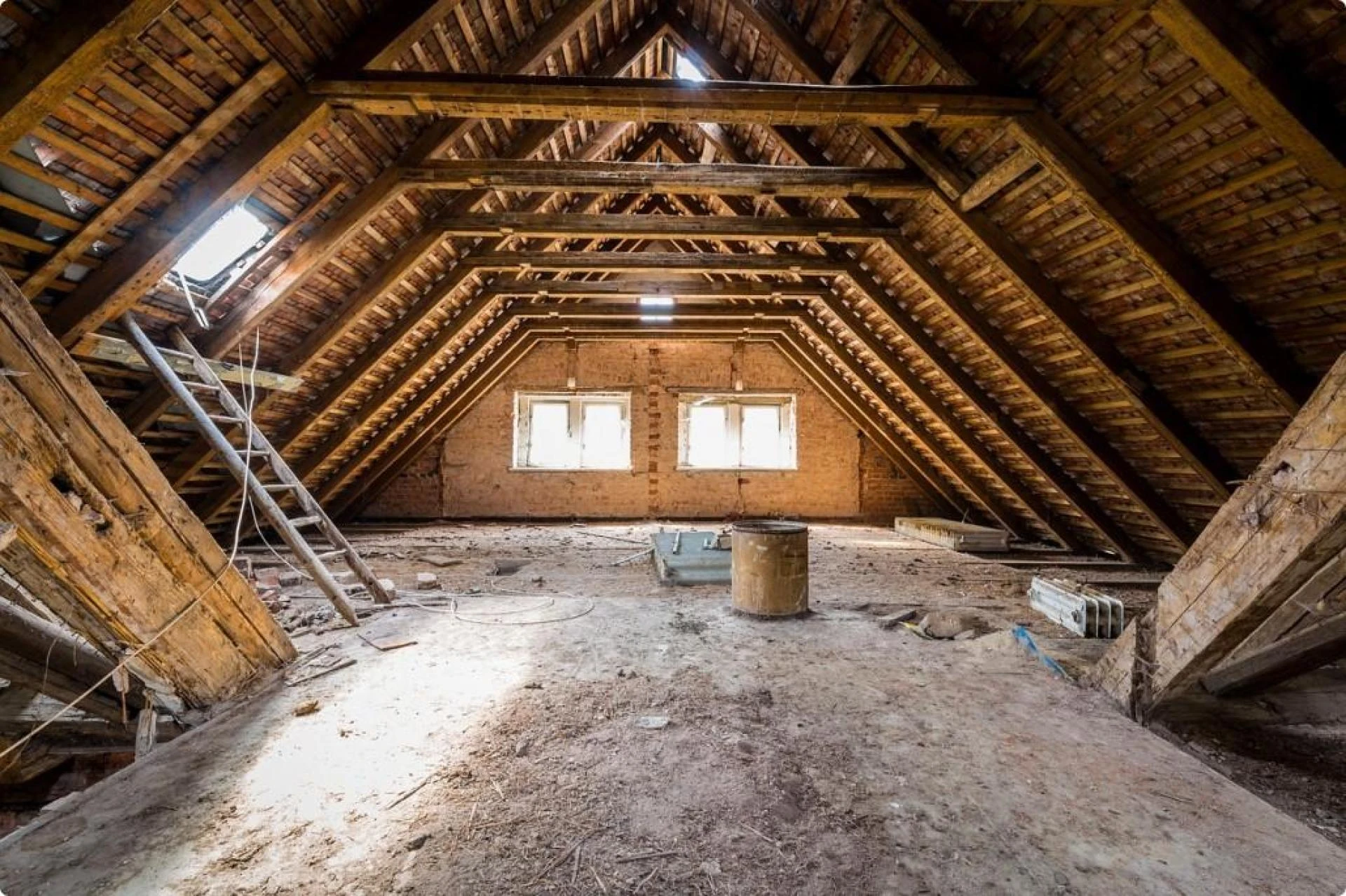
The conversion of an empty attic or roof space into a functional living area is what one calls a loft conversion. From a cozy guest room to a vibrant playroom for kids, the possibilities are endless. Loft conversions bypass the cost and disruption of extending your home outward by making better use of the existing square footage.
Benefits of a Loft Conversion
- Maximize Your Space: Unused loft areas usually are utilized as storage areas for items that are seldom or never used. Such a conversion can add up to 30% more usable floor area to your home, depending on the loft size.
- Increase Your Property’s Value: One of the most cost-effective home improvements, loft conversions can yield a return on investment as high as 20% in addition to your property’s value.
- Energy Efficiency: Improvement in insulation during the process can greatly reduce energy costs, hence making your home more sustainable and eco-friendly.
- Flexible Living: With an expanding family where the addition of another room would come in handy or space needed to have a workplace loft conversion can do everything quite seamlessly.
Loft Conversion Types
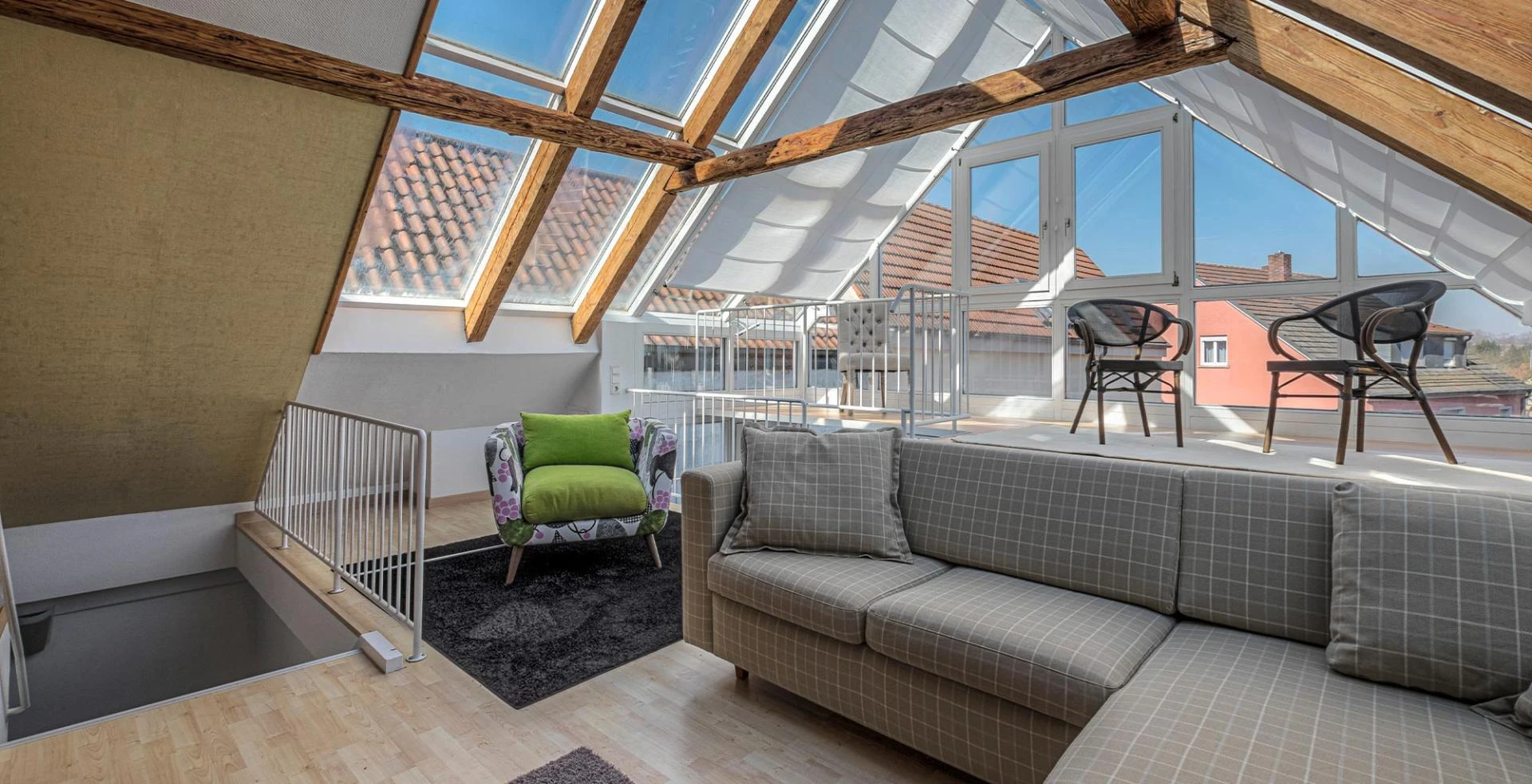
Following are several kinds of loft conversion available that cater to diversified requirements and fit budgets:
Dormer Loft Conversion
A dormer is the type of structural projecting area extended vertically from the sloppiness of your roof’s upper section of wall allowing some considerable additional headspaces and usable floor areas. This is ideal for larger families or those who want maximum functionality.
Velux Loft Conversion
A Velux conversion, also known as a roof lightconversion, is one of the most straightforward options. You keep the original structure but add skylights to let natural light in.
Hip-to-Gable Conversion
This involves extending the sloping side of a roof to a vertical wall to create more usable space. The process applies as the best for detached and semi-detached houses with the hipped roof.
Mansard Loft Conversion
Mansard Loft Conversion involves more complex modification within the structure, with its flat roof and steeped wall at the rear. Their space-enjoying nature makes them highly beneficial in urban areas where several restrictions to planning are found.
Steps to a Loft Conversion
A loft conversion calls for a careful plan for execution. Here is a step-by-step approach:
- Do the Feasibility Test: Consult with the structural engineer or architect in advance to check the possibility of making changes in the loft. Major things you’ll be looking into include the height, structure of the roof, and accessibility via staircase.
- Plan Permission: Although most of the loft conversions are made under permitted development rights, it is also good to learn about the local regulations that may apply to your place, and get necessary permissions granted in advance.
- Design and Layout: Involve a professional so that the design can be in keeping with and complement the style of the home, while it allows for your needs. This stage includes choosing materials, electrical lighting, and insulation.
- Construction and Fitting: Provide skilled contractors to make sure appropriate workmanship is executed skillfully. The process at this stage usually starts when the floor is strengthened up, windows are placed with the installation of electrical and pipes if needed.
- Finishing Touches: Once all the structural work is done, this is where you get to dress it up internally to make the space even more personalized. You could use light colors and practical furniture to maximize space.
Is a Loft Conversion Right for You?
A loft conversion might be a very good investment for most homeowners, but it is always about your circumstances. Consider your budget can cost from £20,000 for a basic conversion to more than£50,000, depending on the work involved. Consider your future needs to think about how the new space will serve you over the next few years. If you are ever thinking of selling your property in the near or not-so-near future, a good loft conversion will increase the saleability of your home greatly.
Why Hire Experts for Your Loft Conversion?
The temptation to do it yourself may be great, but loft conversions are complex projects really better left to the experts. Experienced builders will ensure your loft conversion meets all building regulations, is well-insulated, and that the structure is sound. They can also help you through the planning process with ease, saving you a lot of time and headaches.
Create Your Dream Space with Poole Builder
If you are ready to unlock the full potential of your home, a loft conversion is a transformative solution worth considering. From increasing living space to boosting property value, the benefits are undeniable. Poole Builder specializes in delivering tailored loft conversions that combine functionality and style. Trust our team of experts to bring your vision into reality, making the entire process smooth and hassle-free.







Sign in to leave a comment.