

Loft conversions are one of the most popular ways to add space and value to a home. Whether you're looking to create a new bedroom, a home office, or a cozy retreat, transforming your attic space can be a cost-effective alternative to moving house. In this guide, we'll cover everything you need to know about loft conversions, from planning and design to construction and costs.
Why Consider a Loft Conversion?
A loft conversion can provide numerous benefits, including:
- Extra living space – Create a functional room without expanding your home's footprint.
- Increased property value – A well-executed loft conversion can add significant value to your property.
- Cost-effectiveness – It's often cheaper than moving house or building an extension.
- Energy efficiency – Proper insulation can improve your home's thermal performance.
- Versatility – Whether for a bedroom, office, gym, or entertainment space, a loft conversion can be tailored to your needs.
Planning Your Loft Conversion
Is Your Loft Suitable for Conversion?
Before embarking on a loft conversion project, you need to assess whether your attic is suitable. Consider the following:
- Head Height – A minimum height of 2.2 meters from the floor to the highest point of the ceiling is typically required.
- Roof Structure – Traditional roof structures (cut roof) are easier to convert than truss roof structures.
- Floor Space – Ensure there's enough space to create a functional room.
- Access – A staircase needs to be installed, so consider how it will fit within your home's existing layout.
Planning Permission and Building Regulations
In most cases, loft conversions fall under permitted development, meaning you don't need planning permission. However, you will need approval if:
- The conversion extends beyond the plane of the existing roof.
- Your home is in a conservation area.
- The height exceeds the highest part of the existing roof.
Regardless of planning permission, all loft conversions must comply with Building Regulations to ensure structural integrity, fire safety, insulation, and ventilation.
Types of Loft Conversions
There are several types of loft conversions, each suited to different property types and budgets.
1. Roof Light (Velux) Conversion
- The simplest and most affordable option.
- Involves installing skylights into the existing roof.
- No structural changes required.
- Ideal for attics with sufficient head height.
2. Dormer Loft Conversion
- The most common type, adding extra headroom and floor space.
- A box-shaped extension is built on the existing roof.
- Provides more natural light and ventilation.
3. Hip-to-Gable Loft Conversion
- Best for semi-detached or detached houses with hipped roofs.
- Extends the sloping side of the roof to create a vertical wall.
- Maximizes internal space.
4. Mansard Loft Conversion
- The most extensive and expensive option.
- Involves altering the roof structure to create a near-vertical wall.
- Offers maximum space and design flexibility.
The Loft Conversion Process
Step 1: Design and Planning
- Hire an architect or specialist loft conversion company.
- Create detailed plans that adhere to regulations.
- Obtain necessary permissions and approvals.
Step 2: Preparation and Structural Work
- Reinforce the existing floor to support the additional weight.
- Install steel beams if necessary.
- Address insulation and ventilation requirements.
Step 3: Roof Modifications and Windows
- Install dormers, skylights, or gable extensions.
- Ensure proper weatherproofing and insulation.
Step 4: Staircase Installation
- The new staircase should be practical and comply with safety regulations.
- Spiral or space-saving designs can be used for compact spaces.
Step 5: Electrical and Plumbing Work
- Add wiring for lighting, sockets, and heating.
- If adding a bathroom, ensure proper plumbing is in place.
Step 6: Interior Finishing
- Plasterboard installation and painting.
- Flooring, built-in storage, and final touches.
Maximizing Loft Space
1. Loft Boarding
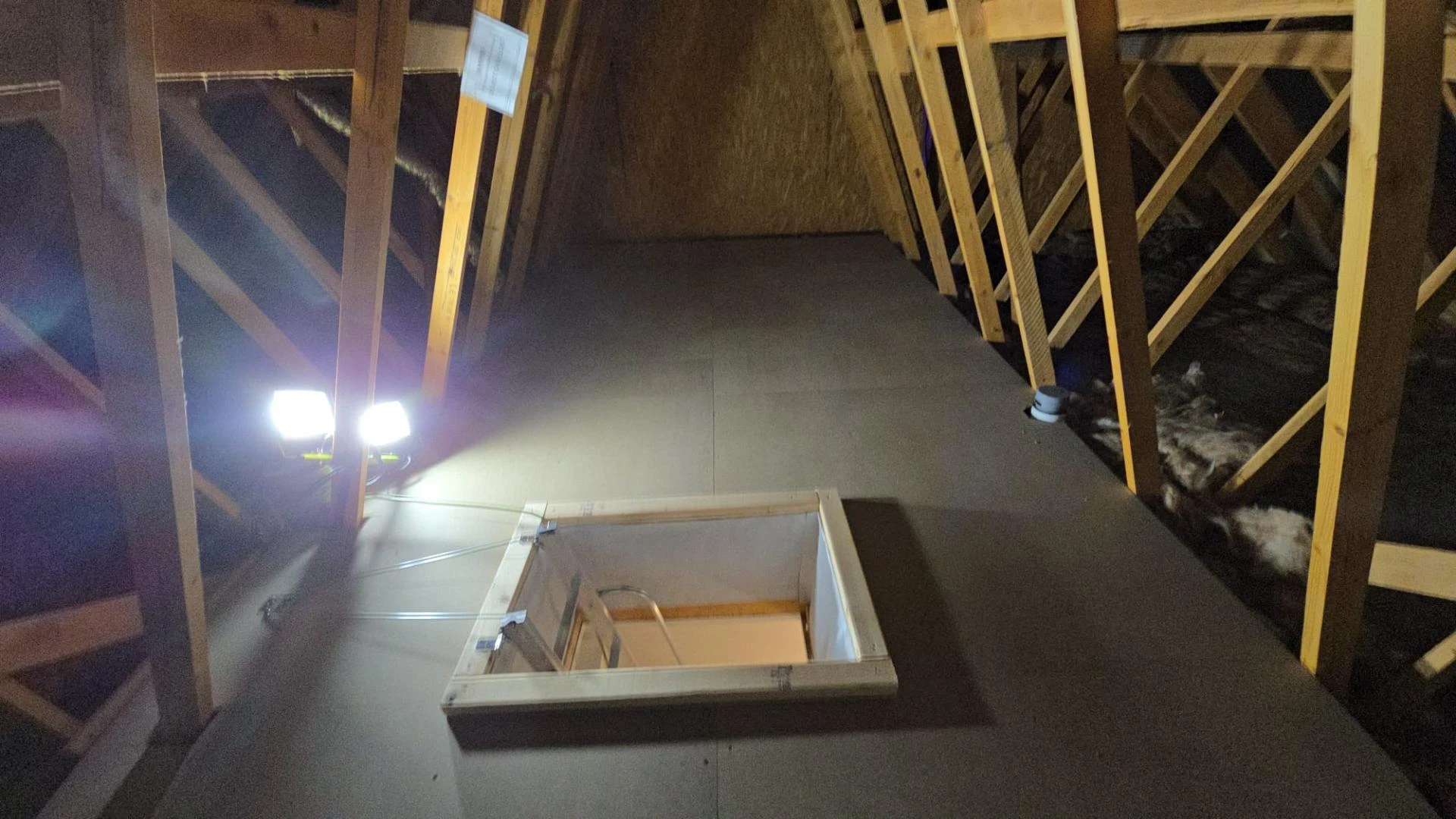
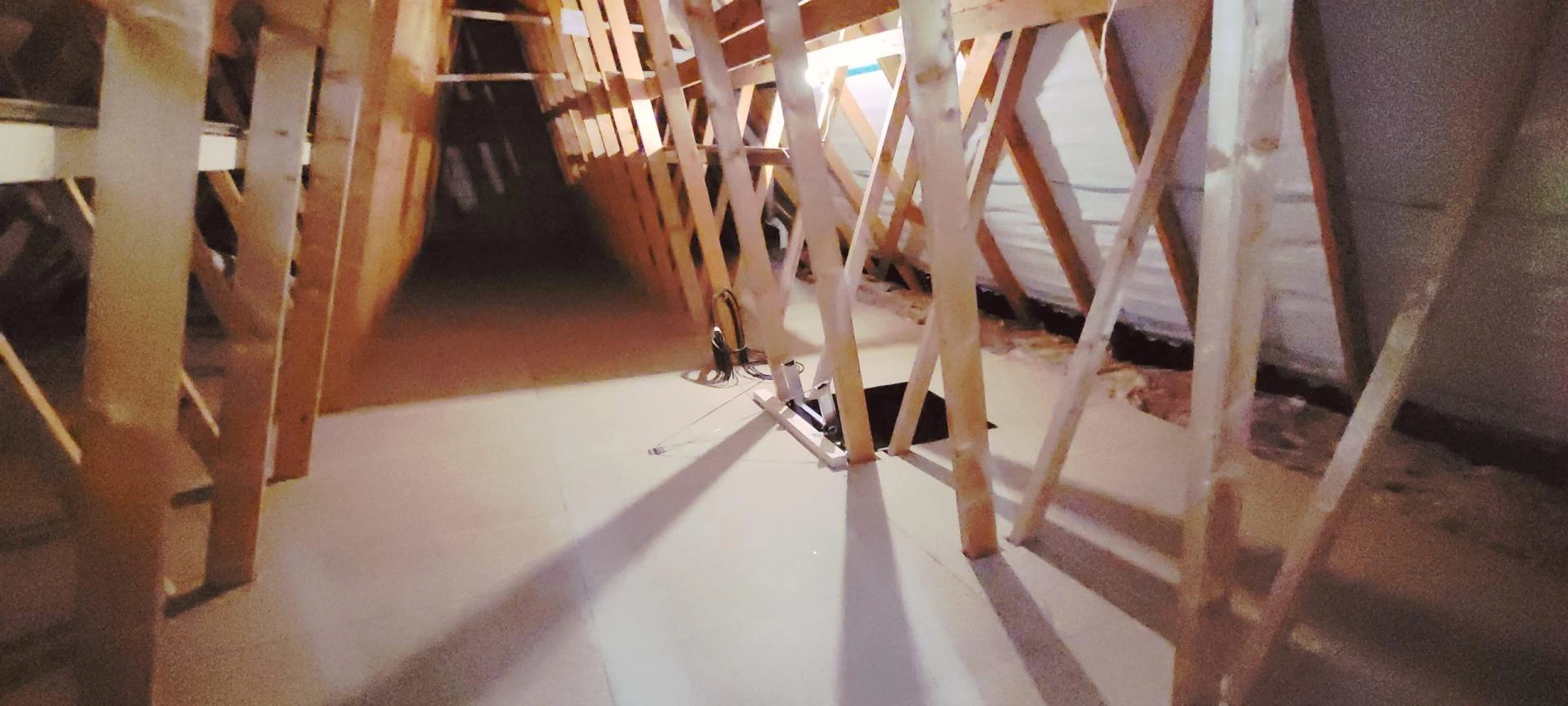
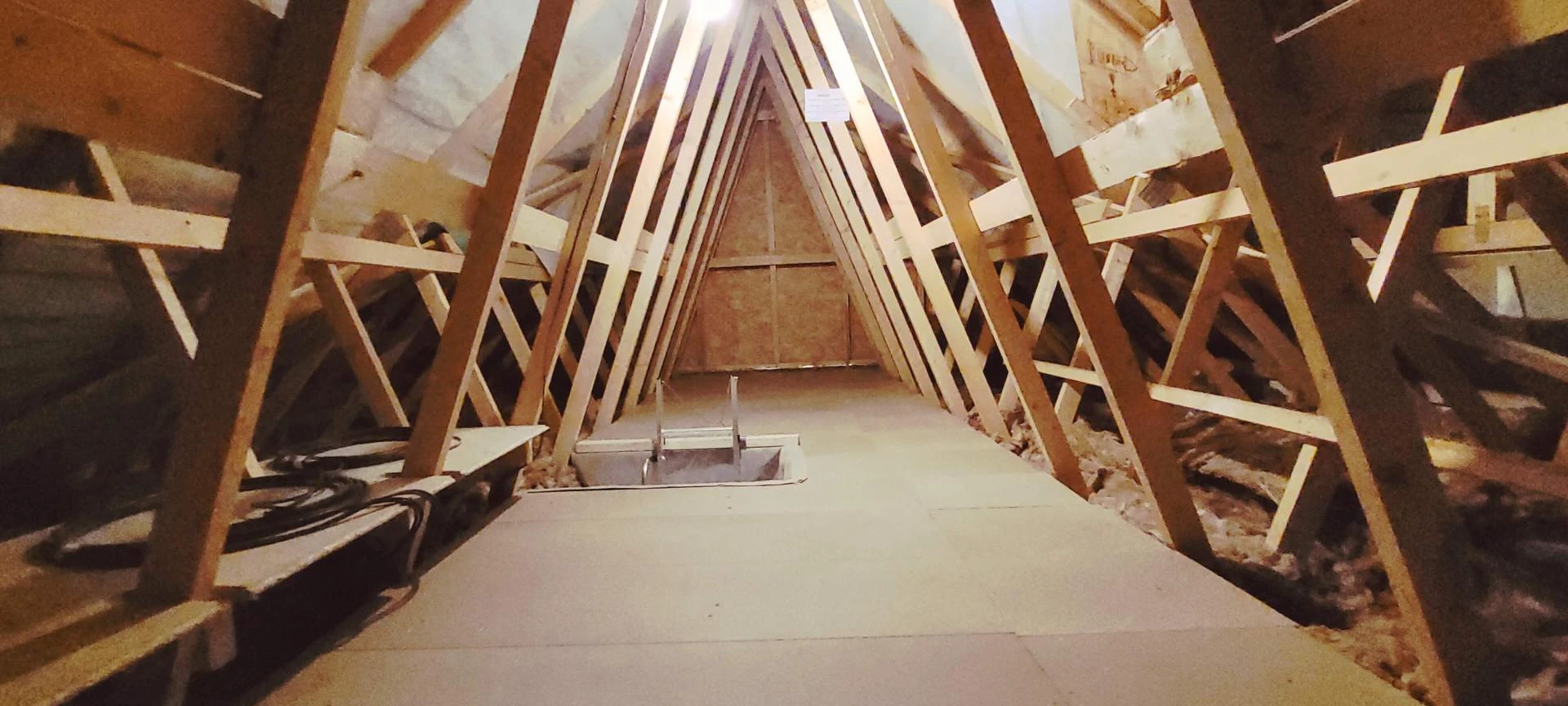
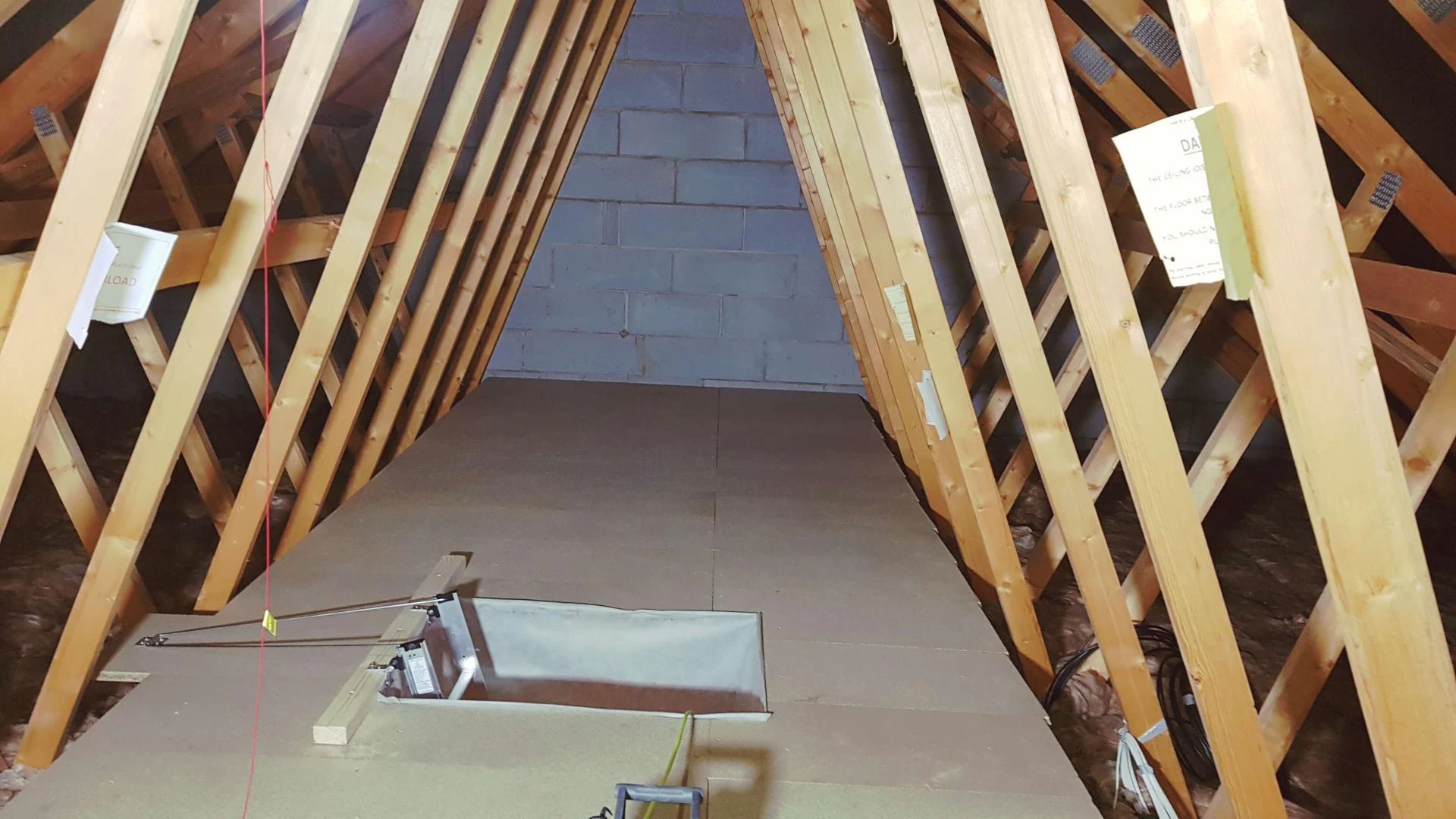
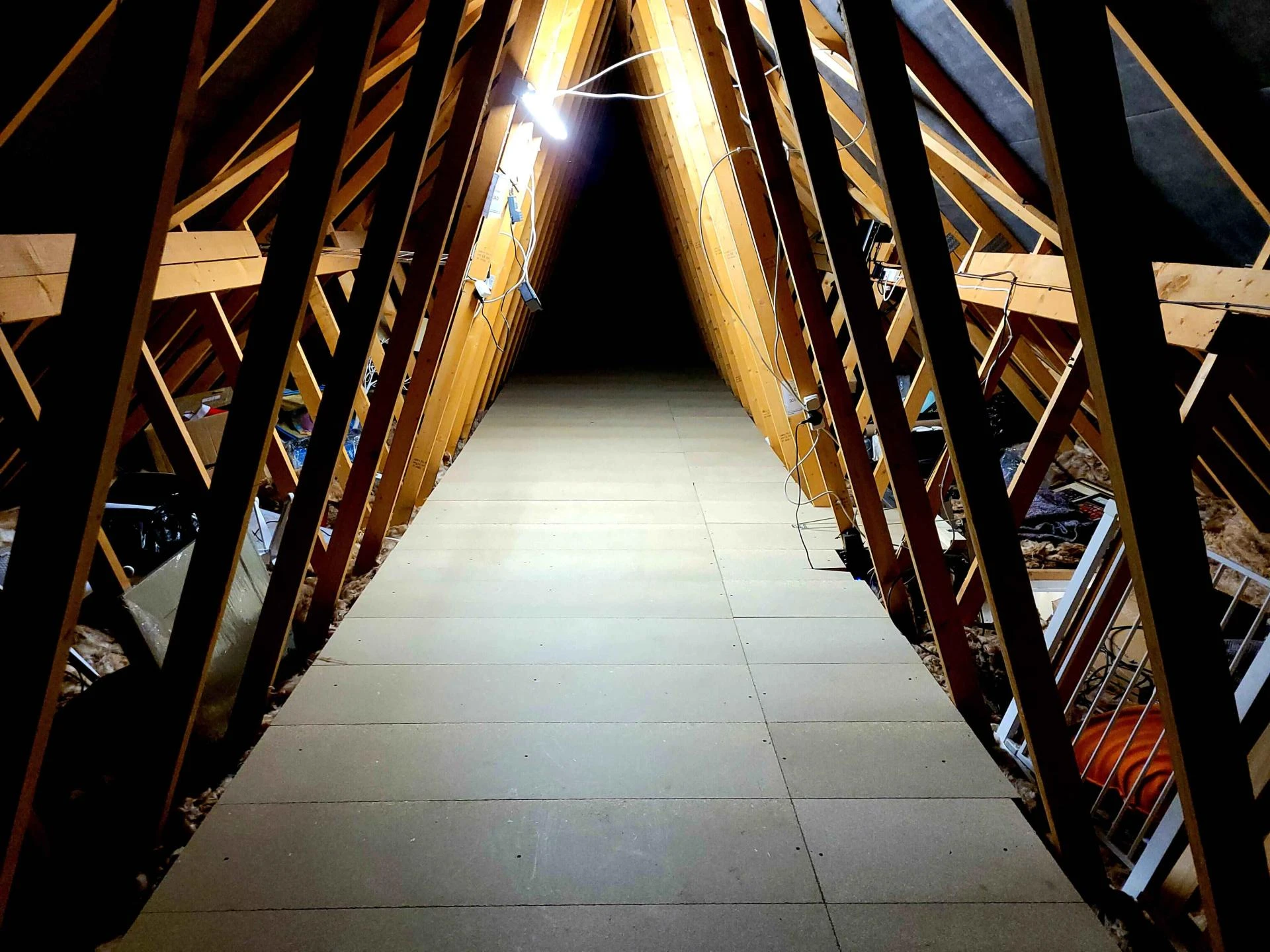
Loft boarding is a great way to create additional storage space within your attic. Installing raised loft boards can help protect insulation while providing a sturdy platform for storage.
2. Smart Storage Solutions
- Utilize built-in wardrobes and under-eaves storage.
- Use multifunctional furniture to maximize space.
- Install floating shelves to keep floors clutter-free.
- Consider bespoke furniture tailored to fit awkward spaces.
3. Lighting and Ventilation
- Skylights or dormer windows can bring in natural light.
- LED spotlights and wall-mounted lights save space.
- Ensure good airflow with vents or mechanical ventilation systems.
- Use light-colored decor to create a spacious feel.
4. Soundproofing
- Install acoustic insulation to minimize noise transfer between floors.
- Use thick carpets or rugs to absorb sound.
- Consider soundproofing doors to enhance privacy.
5. Heating and Cooling
- Extend central heating or install electric radiators for warmth.
- Use blackout blinds or shades to regulate temperature.
- Add ceiling fans or ventilation systems to prevent overheating in summer.
Potential Challenges and How to Overcome Them
1. Limited Headroom
- Opt for a dormer or mansard conversion.
- Use low-profile furniture to make the space feel larger.
- Install built-in seating or storage under sloped ceilings.
2. Structural Concerns
- Work with a professional to assess load-bearing capabilities.
- Reinforce the floor and roof as needed.
- Use lightweight materials to reduce structural strain.
3. Access Issues
- Choose a space-efficient staircase.
- Consider ladder-style stairs if the space is extremely tight.
- Utilize attic ladders for occasional-use loft spaces.
4. Insulation and Energy Efficiency
- Proper insulation will help regulate temperature and reduce energy costs.
- Soundproofing between floors will create a quieter and more private space.
- Use eco-friendly insulation materials for sustainability.
5. Choosing the Right Contractor
- Research and hire experienced professionals.
- Check for reviews, certifications, and past work to ensure quality results.
- Request a detailed contract outlining costs and timelines.
Conclusion
A loft conversion is a fantastic way to maximize your home's potential, adding valuable space and increasing property value. Whether you opt for a simple roof light conversion or a full-scale mansard transformation, careful planning and professional guidance are key to a successful project.
By considering factors like building regulations, structural requirements, and budget, you can create a functional and stylish new living space tailored to your needs. With the right approach, your loft can become the perfect addition to your home.
FAQs
1. How long does a loft conversion take?
A standard loft conversion typically takes between 6 to 12 weeks, depending on the complexity and scale of the project.
2. Do I need planning permission for a loft conversion?
Most loft conversions fall under permitted development, but it's best to check with your local authority to ensure compliance.
3. Can I add a bathroom in my loft conversion?
Yes, but you’ll need proper plumbing and ventilation. It's advisable to place the bathroom above an existing one to simplify pipework.
4. How much value does a loft conversion add to a home?
A loft conversion can increase a property's value by 15-25%, making it a worthwhile investment.
5. Is my loft suitable for conversion?
Your loft needs to meet minimum height requirements (around 2.2 meters) and have adequate space for access and insulation.
By following this guide, you can confidently navigate the loft conversion process and create a space that adds both function and value to your home.





















Sign in to leave a comment.