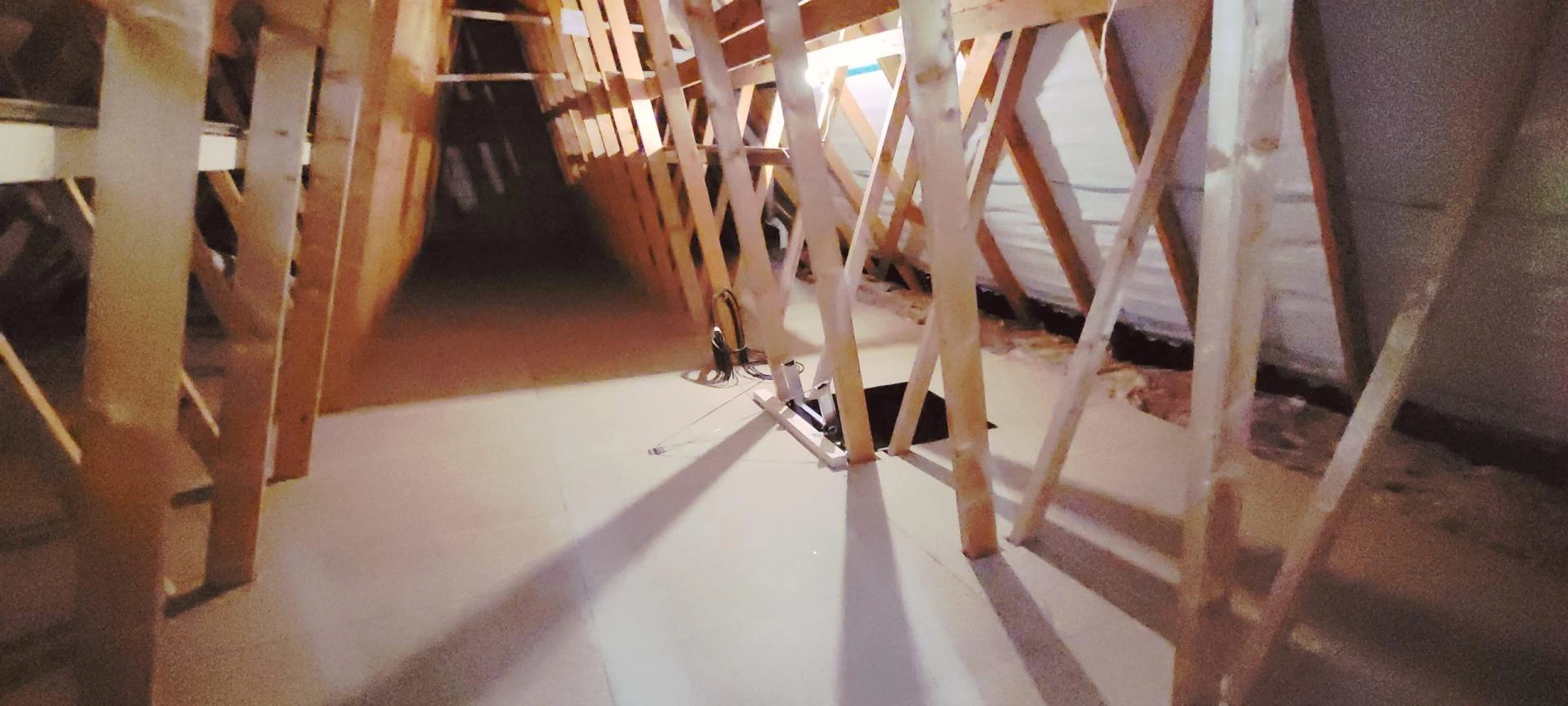

Maximizing your home's storage space is essential, especially if you're running out of room for seasonal items, old furniture, or personal keepsakes. One of the most effective ways to increase storage capacity without expanding your home’s footprint is by installing a loft boarding system. A well-planned loft boarding system not only provides extra storage but also improves insulation, increases energy efficiency, and can even enhance your property’s value.
In this article, we’ll explore the key factors to consider when choosing the right loft boarding system for your home, the different types available, and how to ensure a safe and durable installation.
Why Loft Boarding Is a Smart Investment
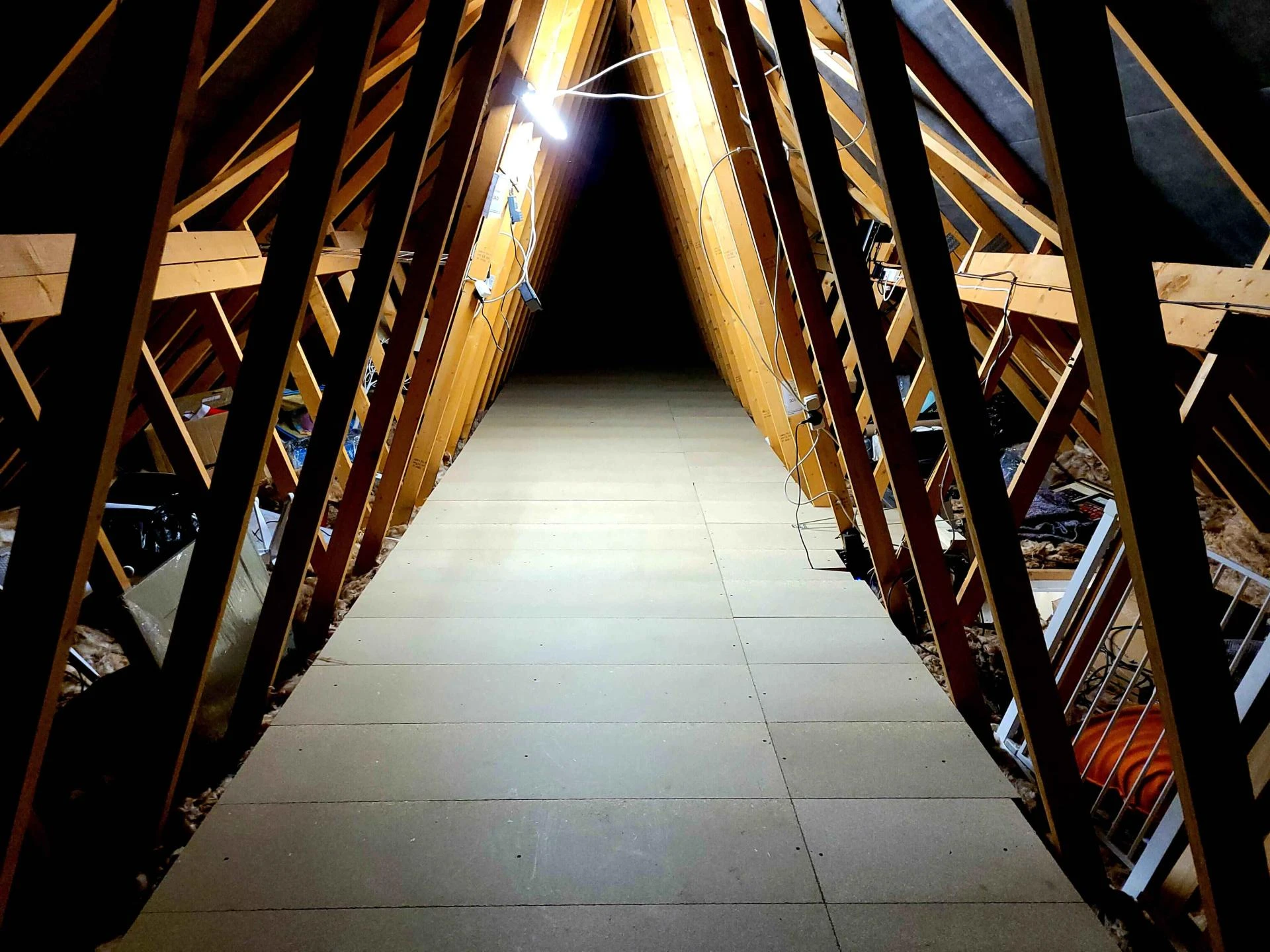
Loft boarding is more than just laying down a few wooden planks across your attic joists. A professionally installed loft boarding system creates a stable, secure platform for storage, transforming an underutilized space into a valuable part of your home.
Benefits of Loft Boarding
Investing in a loft boarding system offers a range of benefits, including:
- Increased Storage Space – Loft boarding allows you to make full use of your attic space for storing household items, reducing clutter in other parts of your home.
- Improved Insulation and Energy Efficiency – Properly installed loft boarding prevents heat loss through the roof, helping to lower your energy bills.
- Enhanced Property Value – A well-organized, accessible loft adds to the overall appeal and functionality of your home, which can increase its market value.
- Safety and Accessibility – A loft boarding system provides a safe and level surface, making it easier to access stored items without the risk of falling through the ceiling.
Factors to Consider When Choosing a Loft Boarding System
Selecting the right loft boarding system involves careful planning and consideration of your home’s structure and your storage needs. Here are the most important factors to evaluate:
1. Loft Size and Layout
The size and shape of your loft will influence the type of boarding system you need. Measure the area accurately and assess any obstacles such as beams, pipes, and wiring that might affect the installation.
- Large, open lofts allow for greater flexibility in the boarding design.
- Smaller or irregularly shaped lofts may require a custom boarding solution.
2. Weight Capacity
Not all lofts are designed to support heavy loads. Before installing a loft boarding system, consult with a structural engineer or a professional installer to determine the weight capacity of your ceiling joists.
- Standard loft boarding systems can typically support up to 25 kg per square meter.
- If you plan to store heavy items, consider reinforcing the joists or installing a raised loft boarding system.
3. Insulation Compatibility
Loft insulation is essential for maintaining energy efficiency. Some loft boarding systems are designed to sit above the insulation, ensuring that it remains undisturbed and effective.
- Raised loft boarding allows airflow and prevents compression of insulation, which maintains thermal performance.
- Ensure that the boarding system doesn’t compromise your home’s insulation.
4. Accessibility and Safety
A loft boarding system should be easy to access and safe to use.
- Install a high-quality loft ladder for convenient entry.
- Ensure that the boarding is non-slip and resistant to moisture.
- Check that the system includes safety rails if needed.
5. Ventilation and Moisture Control
Poor ventilation can lead to condensation and mold growth in your loft.
- Raised loft boarding systems create a gap between the insulation and the boards, improving airflow.
- Consider installing ventilation vents if moisture buildup is a concern.
Types of Loft Boarding Systems
There are different types of loft boarding systems available, each designed to meet specific needs and loft structures. Understanding the pros and cons of each system will help you make an informed decision.
1. Standard Loft Boarding
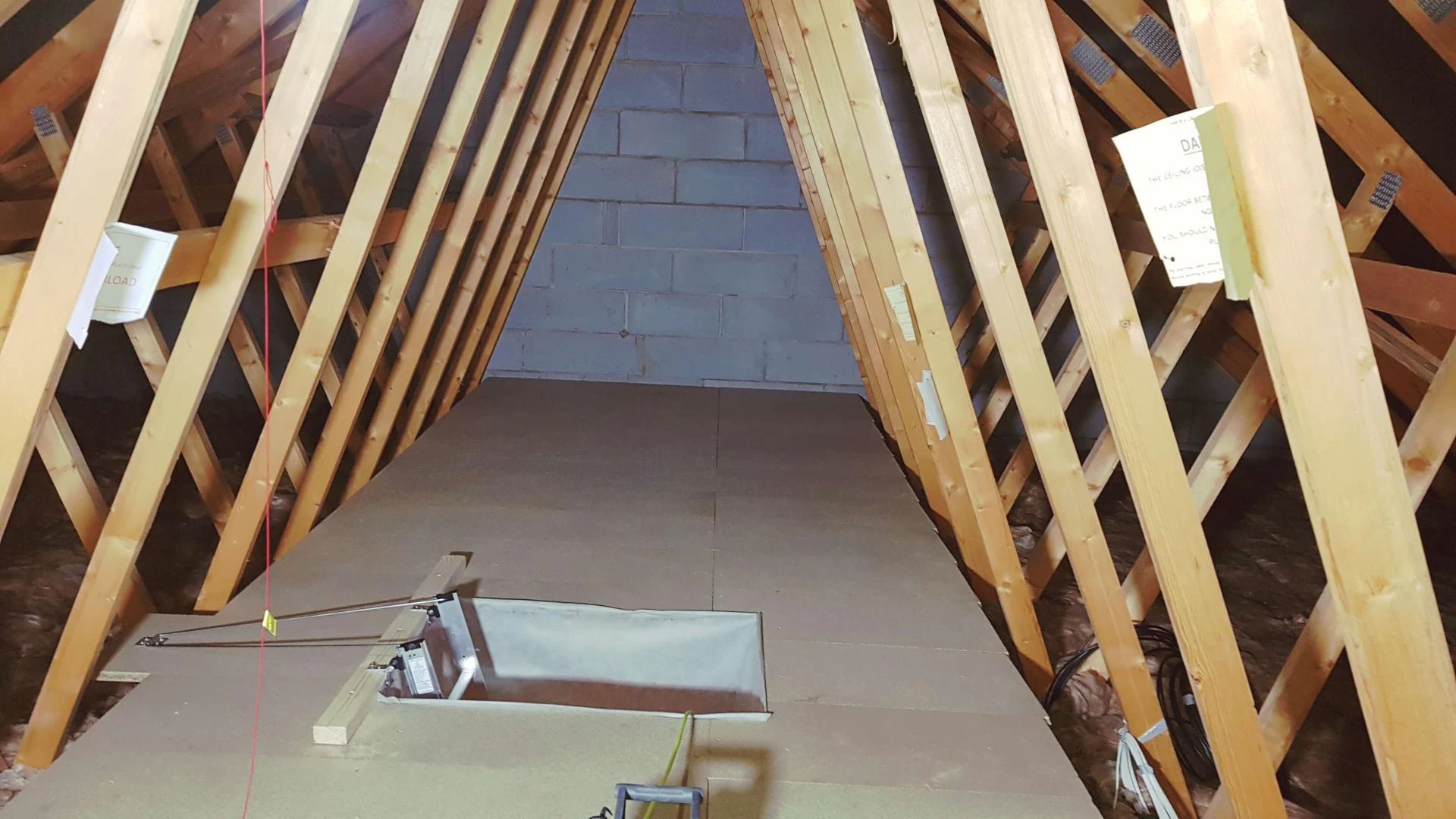
Standard loft boarding involves fixing wooden boards directly to the joists.
Pros:
✔ Cost-effective and easy to install.
✔ Ideal for lightweight storage.
Cons:
✖ May compress insulation and reduce energy efficiency.
✖ Less effective for supporting heavy loads.
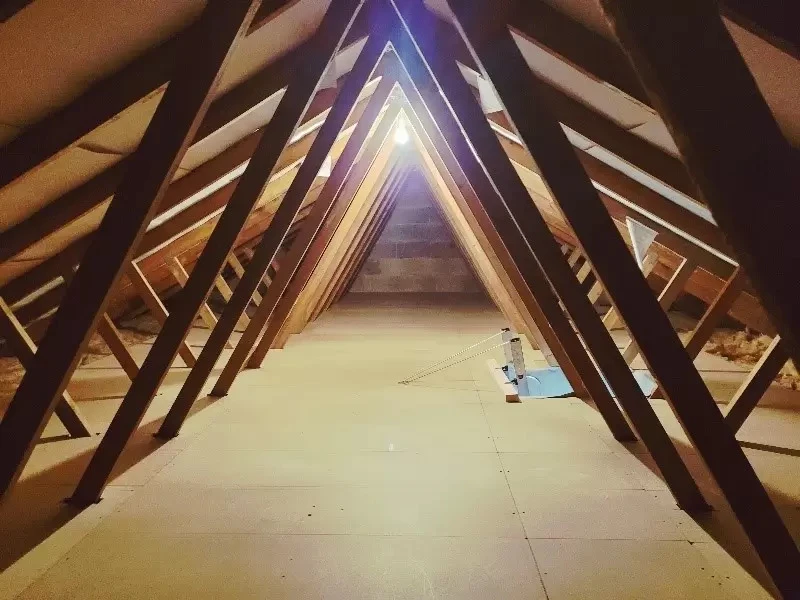
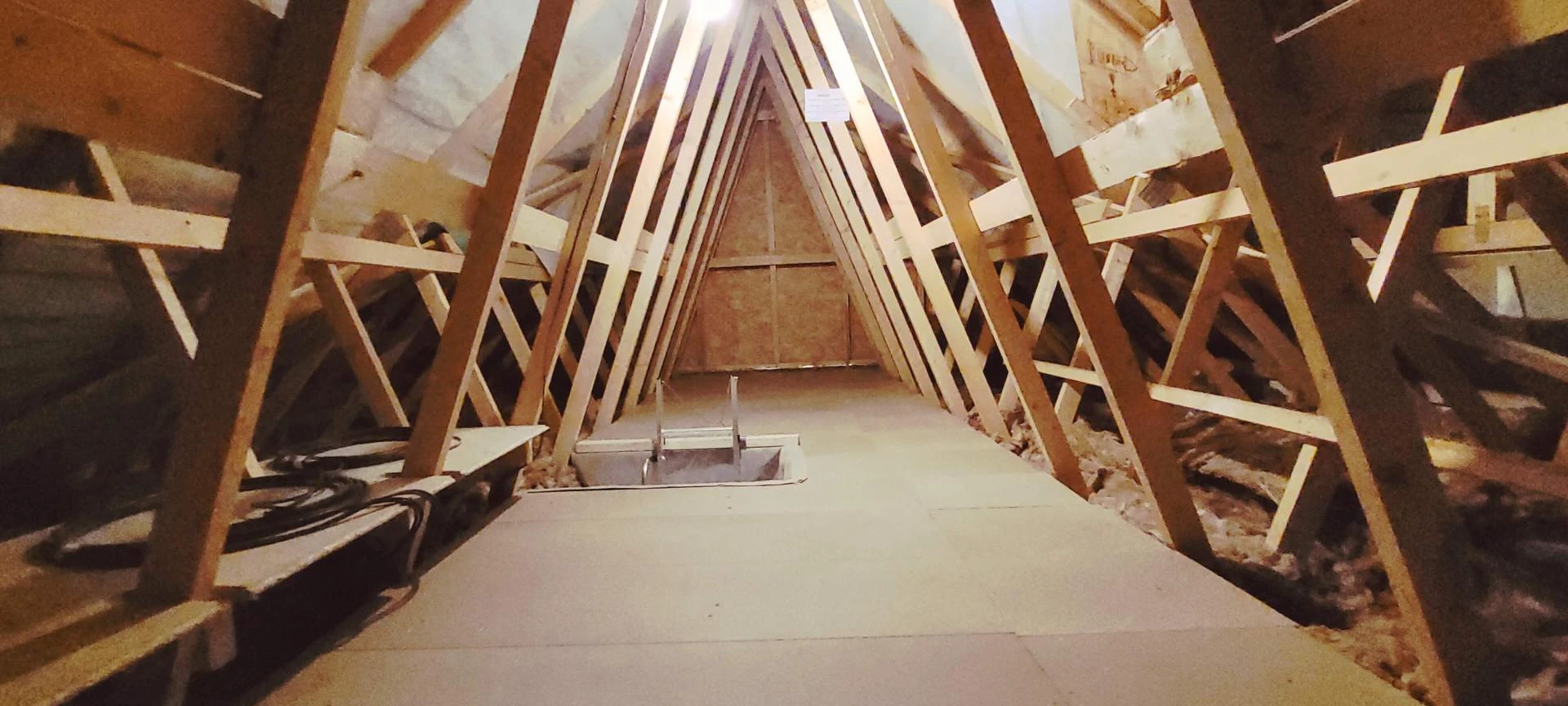
2. Raised Loft Boarding
Raised loft boarding involves elevating the boards above the insulation using a supporting frame or legs.
Pros:
✔ Prevents compression of insulation.
✔ Improves airflow and ventilation.
✔ Increases weight capacity.
Cons:
✖ More expensive than standard boarding.
✖ May reduce overall headroom.
3. LoftZone StoreFloor System
The LoftZone StoreFloor system is a premium option that combines raised boarding with a lightweight frame.
Pros:
✔ Suitable for most types of insulation.
✔ High weight capacity (up to 50 kg per square meter).
✔ Provides a stable and secure platform.
Cons:
✖ Higher cost.
✖ Requires professional installation.
4. Floating Loft Boarding
Floating loft boarding is installed without fixing the boards to the joists, allowing the system to "float" above the insulation.
Pros:
✔ Protects insulation and allows for natural settling.
✔ Easy to modify or remove if needed.
Cons:
✖ May feel less stable underfoot.
✖ Not ideal for heavy storage.
How to Install a Loft Boarding System
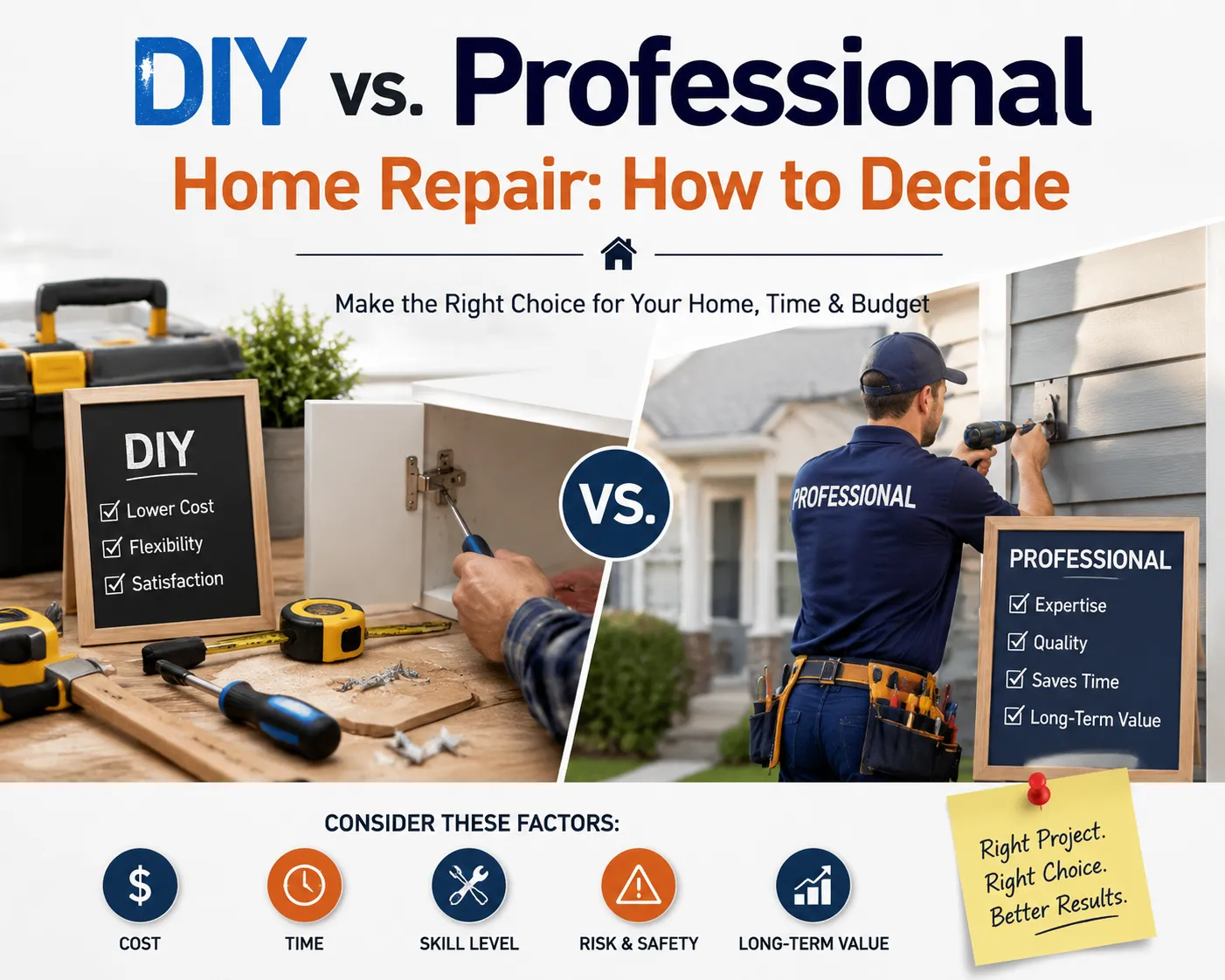
If you’re comfortable with DIY projects, you may be able to install a loft boarding system yourself. However, professional installation is recommended for safety and durability.
Step 1: Prepare the Loft
- Clear the loft of debris and inspect the joists for damage.
- Measure the space and plan the layout.
Step 2: Install the Support System
- For raised systems, install the support legs or frame first.
- Ensure that the structure is level and secure.
Step 3: Lay the Boards
- Start from one corner and work your way across the loft.
- Use screws to secure the boards to the support system.
- Leave a small gap between boards for natural expansion.
Step 4: Finish and Inspect
- Check for stability and adjust if needed.
- Install safety features like railings and ladder access.
Maintenance and Safety Tips
Once your loft boarding system is installed, regular maintenance will ensure it remains safe and functional.
1. Inspect for Damage
- Check for signs of sagging or loose boards.
- Tighten screws or replace damaged boards as needed.
2. Manage Weight Distribution
- Distribute heavy items evenly to avoid putting excess strain on the joists.
- Avoid overloading the loft with heavy furniture or boxes.
3. Monitor for Moisture
- Install a dehumidifier if moisture buildup becomes a problem.
- Ensure ventilation vents are not blocked.
Conclusion
Choosing the right loft boarding system can significantly enhance your home's storage capacity, energy efficiency, and overall value. Whether you opt for a standard, raised, or premium system, it’s essential to evaluate your loft's structure, insulation needs, and weight capacity. By investing in a high-quality loft boarding solution, you’ll not only declutter your living space but also create a safe and accessible storage area for years to come.
FAQs
1. What is the best type of loft boarding system for a heavily insulated loft?
A raised loft boarding system is ideal for heavily insulated lofts because it prevents insulation compression while maintaining proper ventilation.
2. How much weight can a standard loft boarding system hold?
Most standard loft boarding systems can support up to 25 kg per square meter, but reinforced systems can handle higher loads.
3. Can I install a loft boarding system myself?
Yes, but professional installation is recommended for complex systems to ensure safety and structural integrity.
4. How can I prevent moisture buildup in my loft?
Use raised loft boarding to allow airflow, install ventilation vents, and consider using a dehumidifier if moisture persists.
5. Will loft boarding affect my home’s insulation?
If installed correctly, loft boarding should not affect insulation performance. Raised systems are particularly effective at preserving insulation efficiency.






















Sign in to leave a comment.