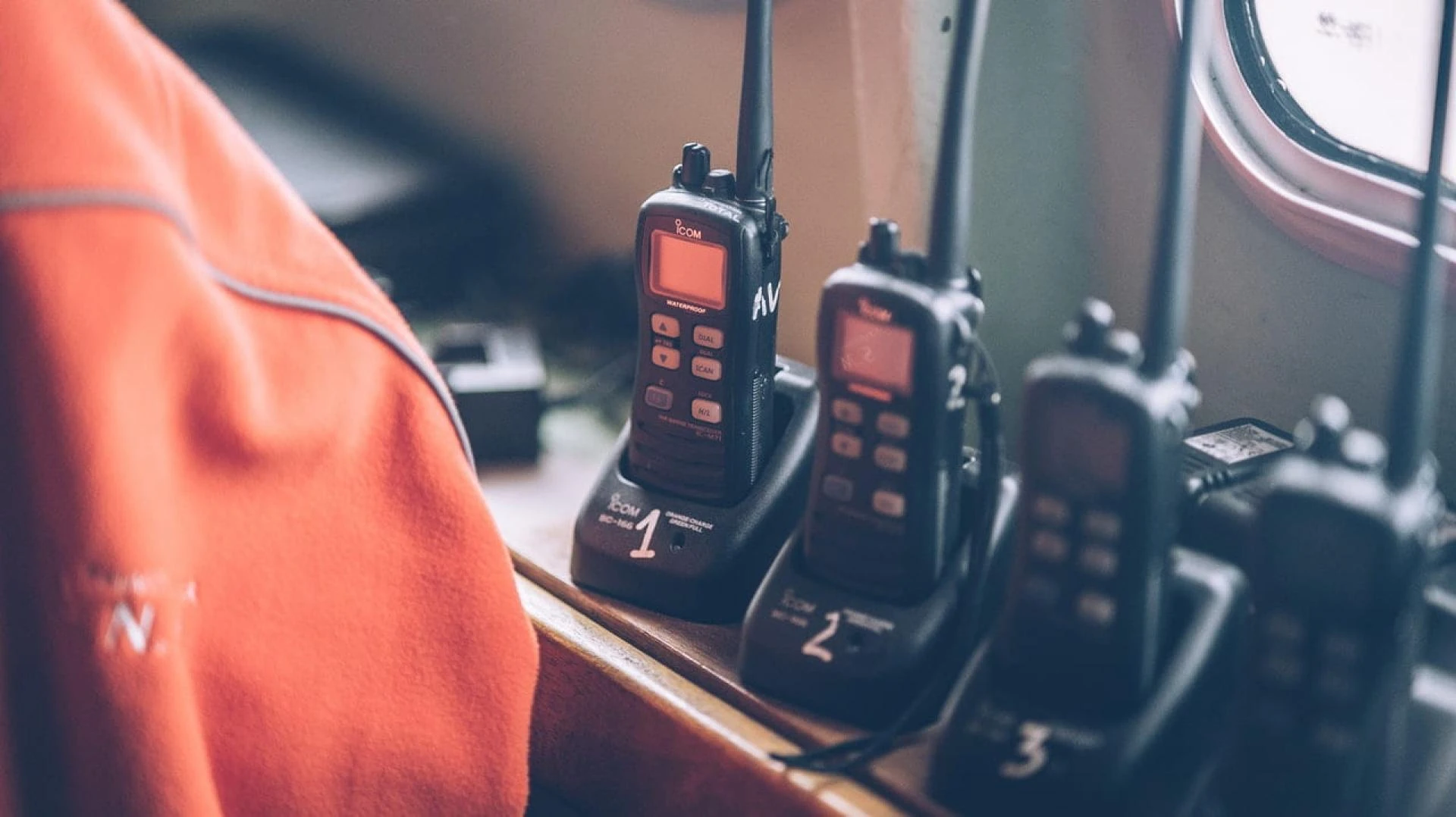

When embarking on outdoor adventures, having reliable long-range walkie-talkies can be essential for communication and safety. Whether you're hiking, camping, boating, or exploring remote areas, here are some key factors to consider when choosing the right long-range walkie-talkies:
1.Range: The most critical factor is the range of the walkie-talkies. Look for models that offer a range suitable for your adventure. Keep in mind that the actual range can vary based on terrain, obstacles, and weather conditions. It's better to have more range than you think you'll need.
2. Frequency: UHF (Ultra High Frequency) walkie-talkies are generally better for outdoor use as they can penetrate obstacles like trees and buildings better than VHF (Very High Frequency) radios. Check local regulations for available frequencies and licensing requirements.
3. Power Output: Higher power output often means greater range, but it can also consume more battery. Consider whether you need the maximum range or if a lower power setting will suffice for your activities.
4. Battery Life: Choose a model with a long-lasting battery, especially for extended trips. Some models offer rechargeable batteries, while others use standard disposable batteries. Having the option to switch between both can be advantageous.
5. Durability: Outdoor adventures can be tough on equipment. Look for walkie-talkies that are rugged, waterproof, and built to withstand harsh conditions.
6. Size and Weight: Depending on your activity, you may want compact and lightweight walkie-talkies for easy portability.
7. Weather Resistance: Ensure that the walkie-talkies are at least weather-resistant, if not fully waterproof. Sudden rain or splashes should not render them useless.
8. Channels: Having multiple channels can be useful to avoid interference from other users. Some models also offer privacy codes or sub-channels for added security.
9. Emergency Features: Look for walkie-talkies that include emergency features like SOS signals, built-in flashlights, or NOAA weather alerts.
10. Ease of Use: A user-friendly interface with clear buttons and a readable display is essential, especially in challenging conditions.
11. Hands-Free Operation: If you need your hands free during activities, consider models that support hands-free accessories like headsets or microphones.
12. Price: While quality is crucial, consider your budget when making a choice. There are good options available at various price points.
Some popular long-range walkie-talkie brands include Motorola, Midland, Garmin, and Cobra. Reading reviews and checking for user feedback can help you make an informed decision based on your specific needs.
Remember to test your walkie-talkies before heading out to ensure they are working correctly and that everyone knows how to use them. Proper communication can enhance safety and add to the overall enjoyment of your outdoor adventures.































Sign in to leave a comment.