

Relocating from the entertainment capital of the West Coast to the vibrant, sun-drenched beaches of South Florida is a major life event. Spanning over 2,700 miles across the lower United States, the journey from Los Angeles to Miami is one of the most popular, yet logistically complex, vehicle transport routes in the USA. Whether you are moving for a new corporate position, transitioning as a seasonal snowbird, or buying a luxury car from a dealership out of state, understanding the intricacies of California to Florida car shipping is essential for a smooth, stress-free experience.
The Route: Navigating the I-10 Corridor
When you book a vehicle shipment from Los Angeles, CA, to Miami, FL, your car is embarking on a massive cross-country expedition. The primary artery for this journey is Interstate 10 (I-10), stretching from the Pacific Ocean in Santa Monica all the way to Jacksonville, Florida, before the carrier heads south to Miami via I-95 or Florida's Turnpike.
This southern route is favored by dispatchers for its relatively flat terrain and lack of mountain passes, but it presents its own unique environmental challenges. Transport carriers must safely navigate:
- The Southwestern Deserts: Intense heat across Southern California, Arizona, and New Mexico requires drivers to constantly monitor their truck's tire pressure, hydraulic fluids, and engine temperatures.
- The Gulf Coast Weather: As carriers cross into Texas, Louisiana, and eventually Florida, the climate shifts from dry heat to extreme humidity, heavy rains, and the potential for severe thunderstorms.
- Urban Congestion: Starting in the dense gridlock of Los Angeles and ending in the busy, fast-paced traffic patterns of Miami requires expert maneuvering of an 80-foot, fully loaded trailer.
Cost and Transit Time Expectations for 2026
Budgeting and scheduling are the top priorities for anyone planning a cross-country move. Because auto shipping rates operate on a dynamic, bid-based market, prices fluctuate based on fuel costs, seasonal demand, and the weight of your specific vehicle.
For the Los Angeles to Miami route, here is a breakdown of what you can expect in 2026:
| Transport Method | Estimated 2026 Cost | Estimated Transit Time | Best For |
|---|---|---|---|
| Open Transport | $1,200 - $1,700 | 7 - 10 Days | Standard daily drivers, sedans, SUVs |
| Enclosed Transport | $1,800 - $2,500+ | 7 - 12 Days | Luxury vehicles, classic cars, high-end EVs |
Note: The Department of Transportation enforces strict hours-of-service regulations for commercial truck drivers. A single driver can legally cover roughly 400 to 500 miles per day. Given the 2,731-mile distance, a 7 to 10-day transit window ensures the driver operates safely while conducting mandatory inspections along the way.
Choosing Your Transport Method: Open vs. Enclosed
Selecting the right equipment to move your vehicle across the country is crucial for protecting your asset.
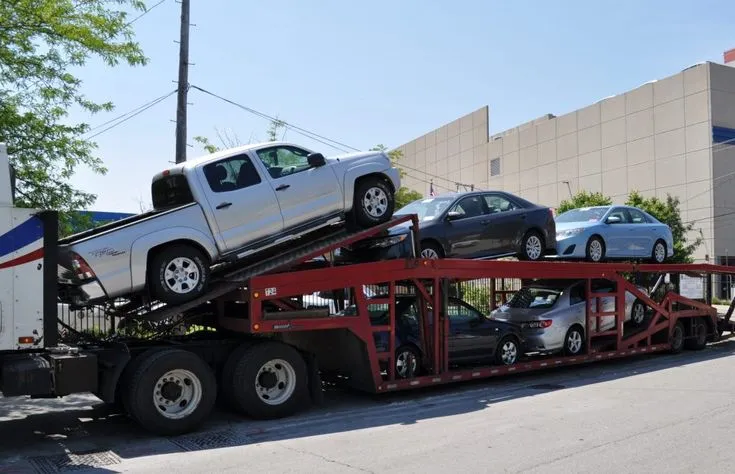
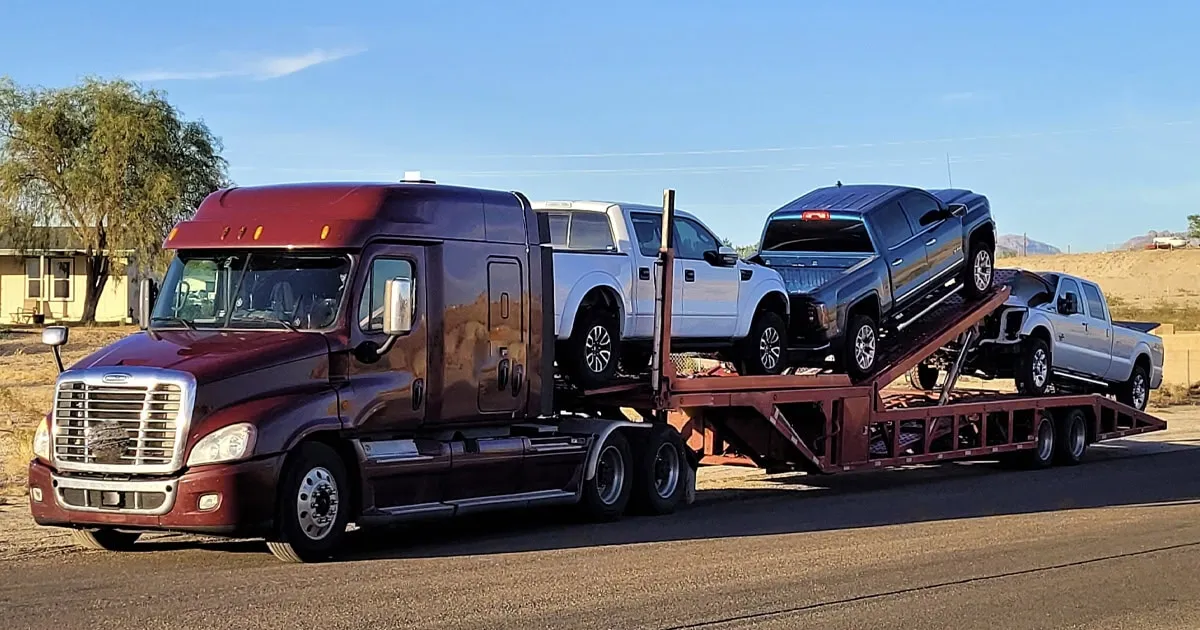
- Open Auto Transport: This is the industry standard and the most cost-effective solution. Your vehicle will be loaded onto a multi-level trailer alongside up to nine other cars. While it is highly efficient and widely available, your car will be exposed to the weather, sun, and road dust along the I-10 corridor.
- Enclosed Auto Transport: If you are shipping a high-value asset, such as a custom vintage build or a brand-new luxury EV, enclosed transport is the premium choice. Your vehicle is loaded via a specialized hydraulic lift gate into a fully shielded trailer, protecting it entirely from the elements and road debris.
The Pre-Shipment Checklist
To ensure your California to Florida car shipping process is entirely seamless, preparation is key. Before the carrier arrives at your Los Angeles residence, follow these critical steps:
- Wash Your Vehicle: A clean car allows you and the driver to conduct an accurate, well-documented pre-shipping inspection, noting any existing scratches or dings on the official Bill of Lading.
- Remove Personal Belongings: Auto transport trailers are weighed at state borders to ensure they meet strict federal regulations. Extra weight from personal items can result in fines for the driver. Furthermore, carrier cargo insurance does not cover household goods packed inside the cabin or trunk.
- Check the Fuel Level: Keep your gas tank at exactly a quarter full. This provides enough fuel for the driver to load and unload the vehicle safely without adding unnecessary, expensive weight to the multi-car trailer.
- Remove Toll Tags and Parking Passes: The trip from California to Florida crosses multiple toll roads. Remove your FasTrak, SunPass, or any other transponder so you are not accidentally billed as the truck rolls through different state tolling stations.
Why Choose Rapid Auto Shipping
Moving across the country is stressful enough without worrying about the safety of your vehicle. Rapid Auto Shipping is your trusted partner for coast-to-coast auto logistics. With an extensive, fully vetted network of professional carriers, we specialize in the Los Angeles to Miami corridor.
When you book your move with Rapid Auto Shipping, you receive transparent, upfront pricing with zero hidden fees. Our dedicated customer support team and real-time GPS tracking ensure you have total peace of mind from the moment your car leaves the West Coast until the keys are handed back to you in the Sunshine State.

Sign in to leave a comment.