
Thinning hair is one of those things that creeps up slowly. One morning the parting looks a little wider. A few months later, there’s more scalp showing under bright lights. Then the photos start telling a story that’s hard to ignore. It happens to men and women, young and old, and the emotional toll it takes is something only people going through it truly understand.
The good news is that hair loss is no longer something people just have to accept. There are real, proven options for slowing it down, stopping it, and in many cases reversing it. But the first step is understanding what’s causing it and that means getting professional help rather than guessing.
What Causes Hair to Thin and Fall Out
There are dozens of reasons why someone might start losing hair. The most common is androgenetic alopecia a genetic condition that affects roughly half of all men by age 50 and a significant number of women too. It’s driven by hormones and tends to follow predictable patterns: a receding hairline and thinning crown in men, and a general thinning across the top of the head in women.
But genetics isn’t the only cause. Stress, illness, medication, thyroid problems, iron deficiency, and autoimmune conditions can all trigger hair loss. Tight hairstyles worn over long periods braids, weaves, and ponytails can damage follicles permanently. This is called traction alopecia, and it’s particularly common in South Africa.
Alopecia as a broader term covers several different conditions. Alopecia areata causes patchy bald spots. Alopecia totalis affects the entire scalp. Alopecia universalis results in loss of all body hair. Each type behaves differently and responds to different treatments, which is why a proper diagnosis matters so much.
Getting a Proper Diagnosis
A lot of people try to self-diagnose their hair loss using information they find on the internet. That’s understandable, but it often leads to wrong conclusions and wasted money on products that don’t address the actual problem.
A trichologist is a specialist trained specifically in hair and scalp conditions. They study the science behind hair growth, loss, and disorders. A consultation with a trichologist typically includes a detailed scalp examination, a look at the hair under magnification, and questions about medical history, diet, and lifestyle.
For anyone searching for a trichologist near me, there are qualified practitioners in most major cities across South Africa. The initial consultation is where the real answers come from not from a bottle bought off a shelf.
A hair specialist can often identify the cause of hair loss within a single visit. In some cases, blood tests or a scalp biopsy might be needed for confirmation, but a trained eye can usually spot the patterns that point to a specific condition.
Hair specialists work across different fields. Some focus on surgical solutions, others on medical treatments, and some on a combination of both. The right one depends on the type and stage of hair loss.
What Treatments Are Available
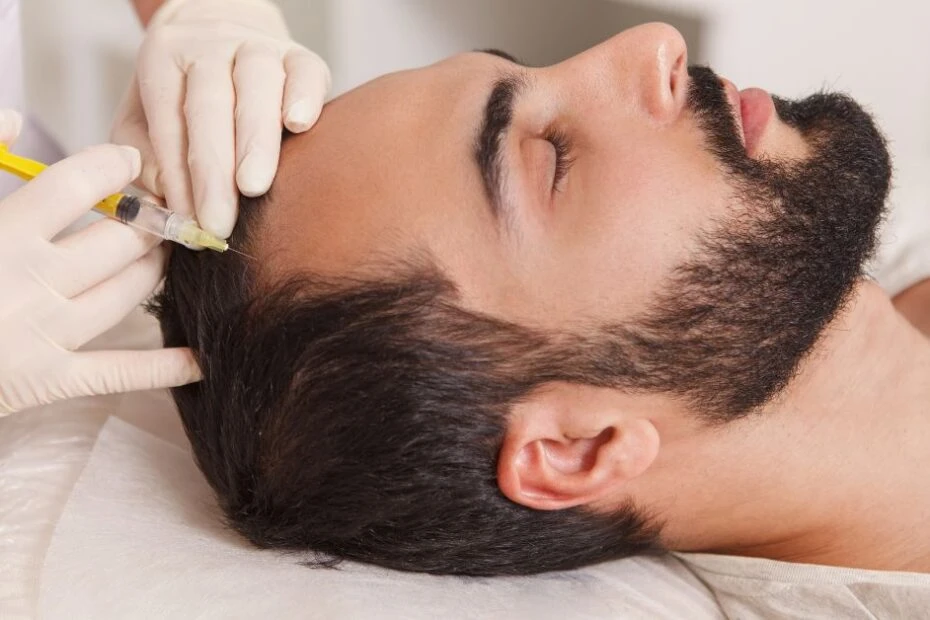
The range of alopecia treatments has grown significantly over the past two decades. What was once limited to topical creams and wigs now includes advanced medical therapies, laser treatment, PRP (platelet-rich plasma) injections, and surgical procedures.
The right alopecia treatment depends entirely on the diagnosis. For androgenetic alopecia, medications like minoxidil and finasteride are still front-line options. Minoxidil is applied directly to the scalp and works by increasing blood flow to the follicles. Finasteride is a tablet that blocks the hormone responsible for shrinking hair follicles in men.
For autoimmune types of alopecia, corticosteroid injections into the affected patches can stimulate regrowth. In more stubborn cases, immunotherapy or JAK inhibitors may be prescribed. These are newer treatments that have shown strong results in clinical trials.
Hair loss treatment isn’t one-size-fits-all. What works for one person might not work for another, and timing plays a big part. Starting treatment early when thinning first becomes noticeable gives the best chance of a good outcome. Waiting too long can mean the follicles have already shut down permanently.
When looking at the full picture of available hair loss treatments, it helps to think in two categories: those that slow or stop the loss, and those that bring hair back. Medications and laser therapy fall into the first group. Transplants and some PRP protocols fall into the second.
When Surgery Makes Sense
A hair transplant is often seen as the last resort, but for many people it’s actually the most effective solution particularly when hair loss has progressed past the point where medication alone can make a visible difference.
Modern transplant techniques have come a long way from the “pluggy” look of older methods. FUE (Follicular Unit Extraction) takes individual follicles from a donor area usually the back and sides of the head and places them into the thinning or bald areas. The results look natural and the recovery time is relatively short.
Hairline repair is one of the most requested procedures. A well-designed hairline can take years off someone’s appearance and make a huge difference to confidence. The work requires a skilled hand and an understanding of natural hair growth patterns so the result doesn’t look artificial.
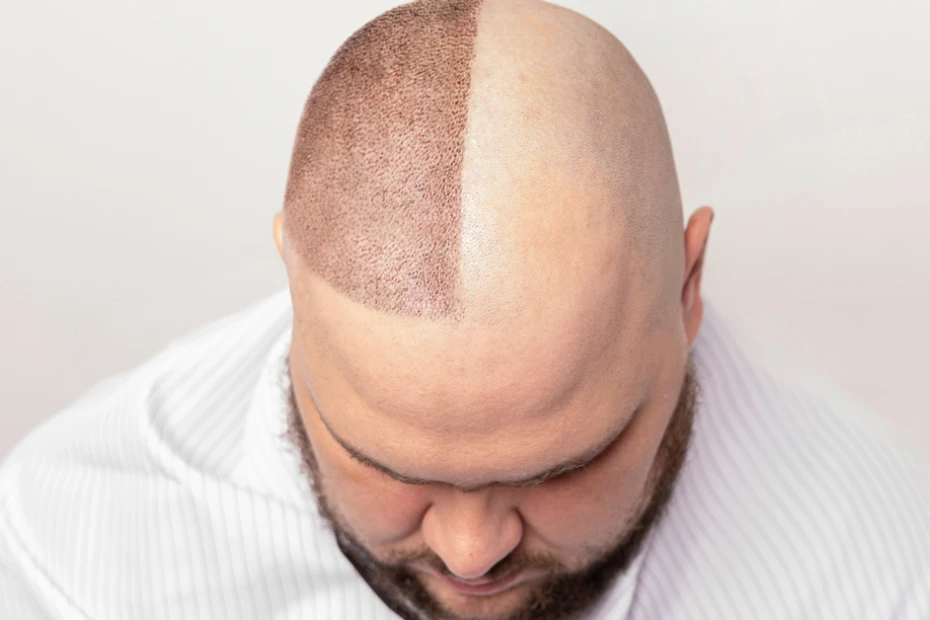
Hair restoration covers a broad range of procedures aimed at bringing back a fuller head of hair. This includes transplants, scalp micropigmentation (which creates the appearance of density using tiny dots of pigment), and in some cases, combination therapies that pair surgery with ongoing medical treatment.
Medical hair restoration refers specifically to non-surgical methods of restoring hair growth. PRP therapy, low-dose laser therapy, and prescription medication all fall under this heading. For people who aren’t ready for surgery or who don’t need it these approaches can produce real, measurable results.
Choosing the Right Place to Go
Not every hair clinic is the same. Some offer only consultations and topical treatments. Others provide the full range of surgical and non-surgical options. The best approach is to find a clinic that does a thorough assessment before suggesting any treatment. If someone is pushing a procedure before they’ve properly looked at the scalp, that’s a red flag.
Searching for a hair clinic near me is a good starting point, but it’s worth going a step further. Look for clinics with qualified staff, real patient results, and a track record of handling different types of hair loss.
Hair clinics in South Africa range from small independent practices to large multi-branch operations. Size doesn’t always equal quality. What matters most is the experience and qualifications of the people doing the work.
A hair loss clinic that takes a medical-first approach will always start with diagnostics. That means scalp analysis, a review of medical history, and a conversation about goals and expectations. Only after that should a treatment plan be put together.
The Role of a Hair Doctor
A hair doctor is a medical professional who has chosen to specialise in conditions affecting the hair and scalp. This could be a dermatologist with a focus on hair disorders, or a surgeon trained in transplant procedures. Either way, their medical background means they can prescribe medication, run tests, and carry out procedures that non-medical practitioners aren’t qualified to do.
Hair doctors are the right people to see when hair loss is rapid, patchy, or accompanied by other symptoms like scalp pain, redness, or flaking. These signs can point to conditions that need medical intervention, not just cosmetic treatment.
A consultation with a qualified doctor is particularly important for women experiencing hair loss. Female hair loss has a wider range of potential causes than male pattern baldness, and some of those causes like thyroid dysfunction or polycystic ovary syndrome need to be ruled out before any hair-specific treatment begins.
Taking the First Step
The hardest part of dealing with hair loss is often just making that first appointment. There’s a lot of embarrassment and uncertainty wrapped up in it, and it’s easy to keep putting it off. But the sooner the problem is assessed, the more options are on the table.
Hair loss is a medical condition, not a character flaw. Millions of people deal with it, and the treatments available in South Africa are as good as anything offered anywhere in the world. Whether the answer is a simple medication, a course of PRP, or a full transplant, the path forward starts with an honest conversation with someone who knows what they’re looking at.
Don’t wait until the options have narrowed. A single consultation can provide clarity, direction, and most importantly a plan that actually works.

































Sign in to leave a comment.