

Autism is not a single condition—it’s a spectrum. Known medically as Autism Spectrum Disorder, autism affects how a person communicates, interacts, and experiences the world. While awareness has grown significantly over the years, many families still struggle to identify early signs and find the right support.
In this guide, we’ll break down autism symptoms and explore effective autism treatment options in a simple, human way—without jargon or confusion.
What Are the Common Autism Symptoms?
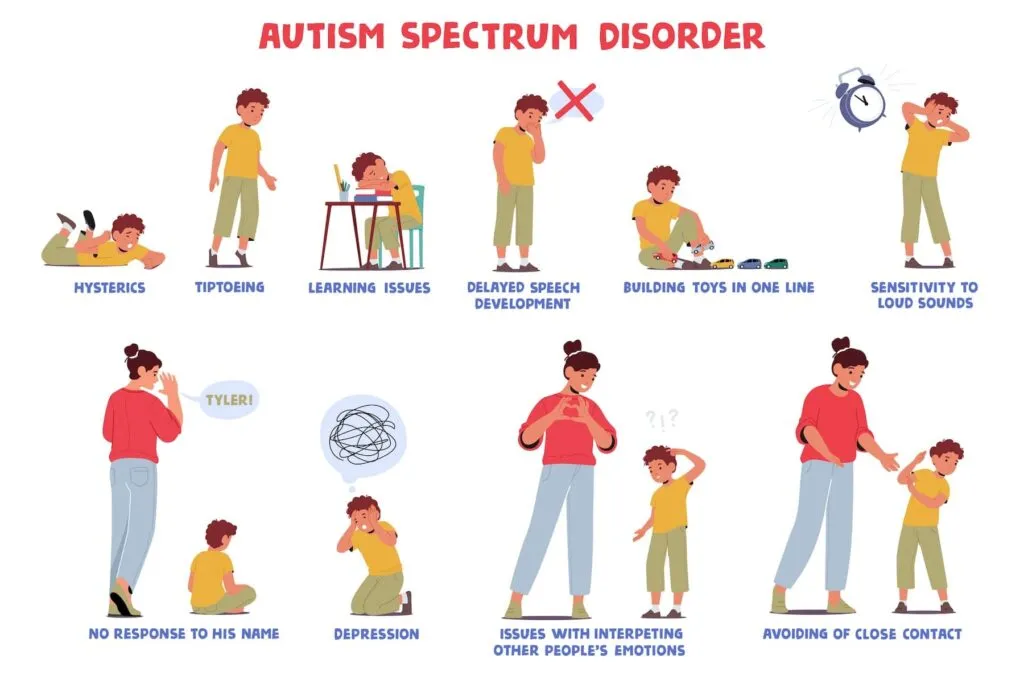
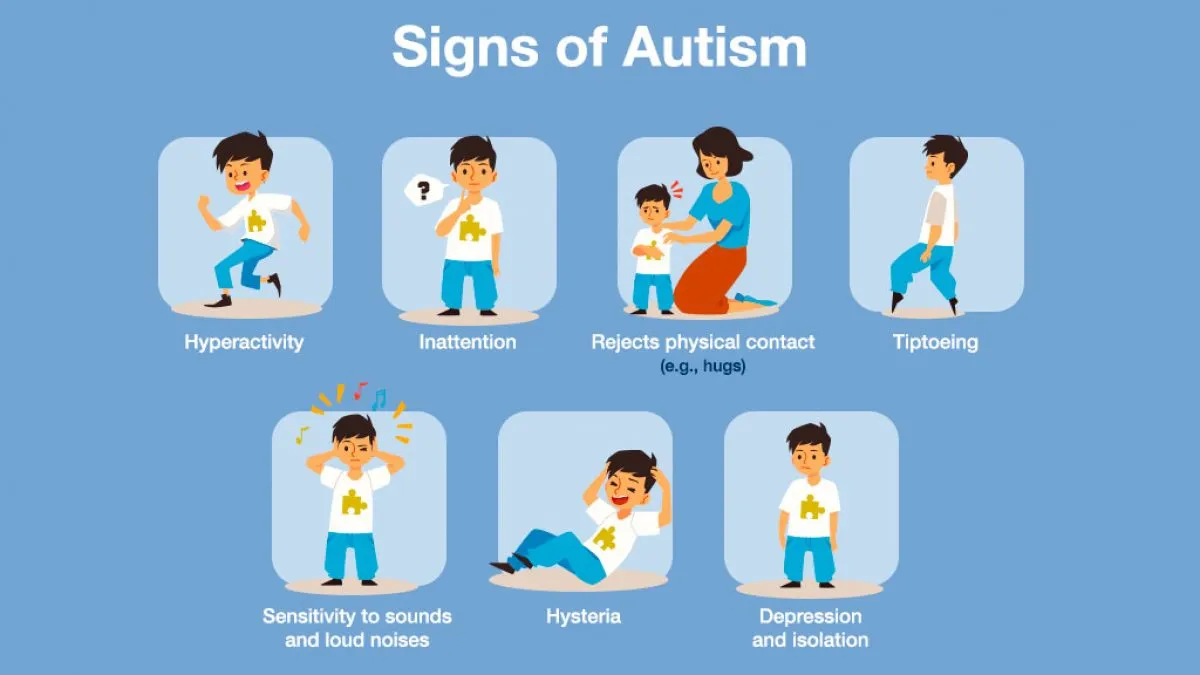
Autism symptoms can vary widely from person to person. Some individuals may need significant support, while others live independently with minimal assistance. However, there are a few common signs to look out for:
1. Communication Challenges
Children with autism may have delayed speech or may not speak at all. Some may repeat words (a behavior called echolalia) or struggle to maintain conversations.
2. Social Interaction Difficulties
They may avoid eye contact, prefer to play alone, or find it hard to understand emotions and social cues.
3. Repetitive Behaviors
Repetitive actions such as hand-flapping, rocking, or strict routines are often seen. Even small changes in routine can cause distress.
4. Sensory Sensitivities
Many individuals with autism are highly sensitive to light, sound, textures, or smells. Everyday environments can feel overwhelming.
5. Focused Interests
Some people develop deep interests in specific topics, sometimes to an intense degree.
Recognizing these signs early is crucial. Early diagnosis can make a significant difference in a child’s development and quality of life.
Why Early Diagnosis Matters
Autism is usually identified in early childhood, often before the age of 3. The earlier the intervention begins, the better the outcomes. Early support helps improve communication, social skills, and adaptive behavior.
Parents and caregivers should trust their instincts. If something feels different about your child’s development, it’s worth seeking professional advice.
Autism Treatment: What Works?
There is no one-size-fits-all autism treatment. Since autism is a spectrum, treatment plans should be personalized based on individual needs.
Here are some of the most effective and widely used approaches:
1. Behavioral Therapy
Applied Behavior Analysis (ABA) is one of the most well-known therapies. It focuses on improving specific behaviors such as communication, social skills, and learning abilities.
2. Speech Therapy
Speech therapy helps individuals improve verbal and non-verbal communication skills, making it easier to express needs and interact with others.
3. Occupational Therapy
This helps individuals develop everyday skills such as dressing, eating, and sensory integration.
4. Social Skills Training
These programs help individuals understand social cues, build relationships, and improve interaction with peers.
5. Family Support and Education
Families play a vital role in autism treatment. With proper guidance and support, parents can create a nurturing environment that encourages growth.
A Holistic Approach to Autism Care
At Autism Singapore, the focus is not just on treatment—but on understanding, acceptance, and empowerment. Every individual with autism has unique strengths and abilities. The goal is not to “fix” autism but to support individuals in reaching their full potential.
A holistic approach includes therapy, education, emotional support, and community inclusion. When all these elements come together, individuals with autism can thrive in their own way.
Final Thoughts
Autism is a journey, not a limitation. With early diagnosis, the right autism treatment, and a supportive environment, individuals with autism can lead meaningful and fulfilling lives.




























Sign in to leave a comment.