

The Race Against Delay
Ever watched a live sports stream while your neighbor celebrated a goal ten seconds before you saw it? That frustrating delay isn't just annoying—it's killing real-time engagement across the digital world.
Traditional streaming often suffers from 30-45 second delays. Imagine hosting an auction where bidders see items sold before they can even place bids. Or picture teaching an online class where student questions arrive minutes after you've moved to the next topic. These scenarios highlight why speed has become broadcasting's new battleground.
Breaking the Speed Barrier
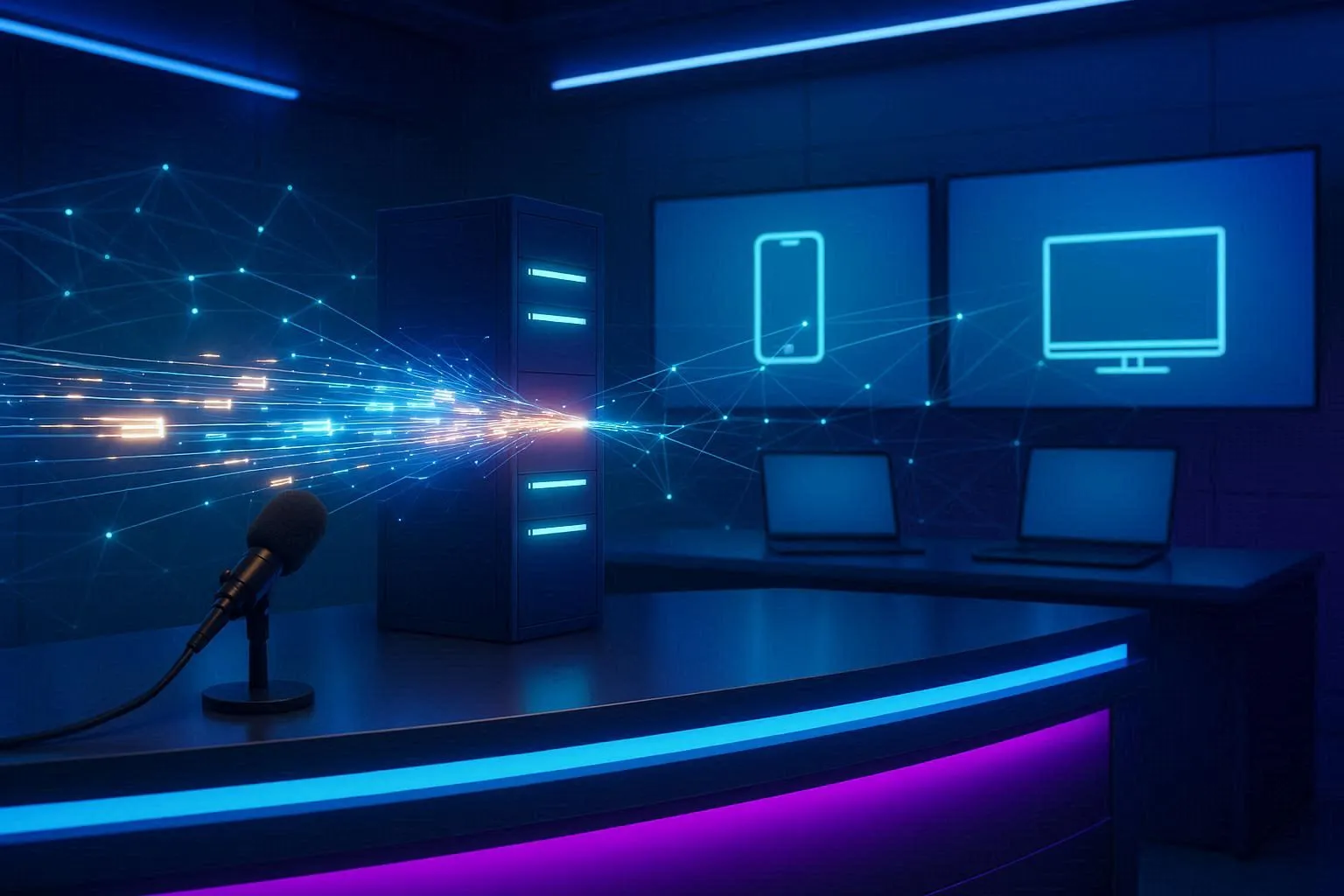
Low latency live streaming reduces delays to mere seconds, sometimes even sub-second speeds. This isn't just a technical upgrade—it's a complete transformation of how audiences experience real-time content.
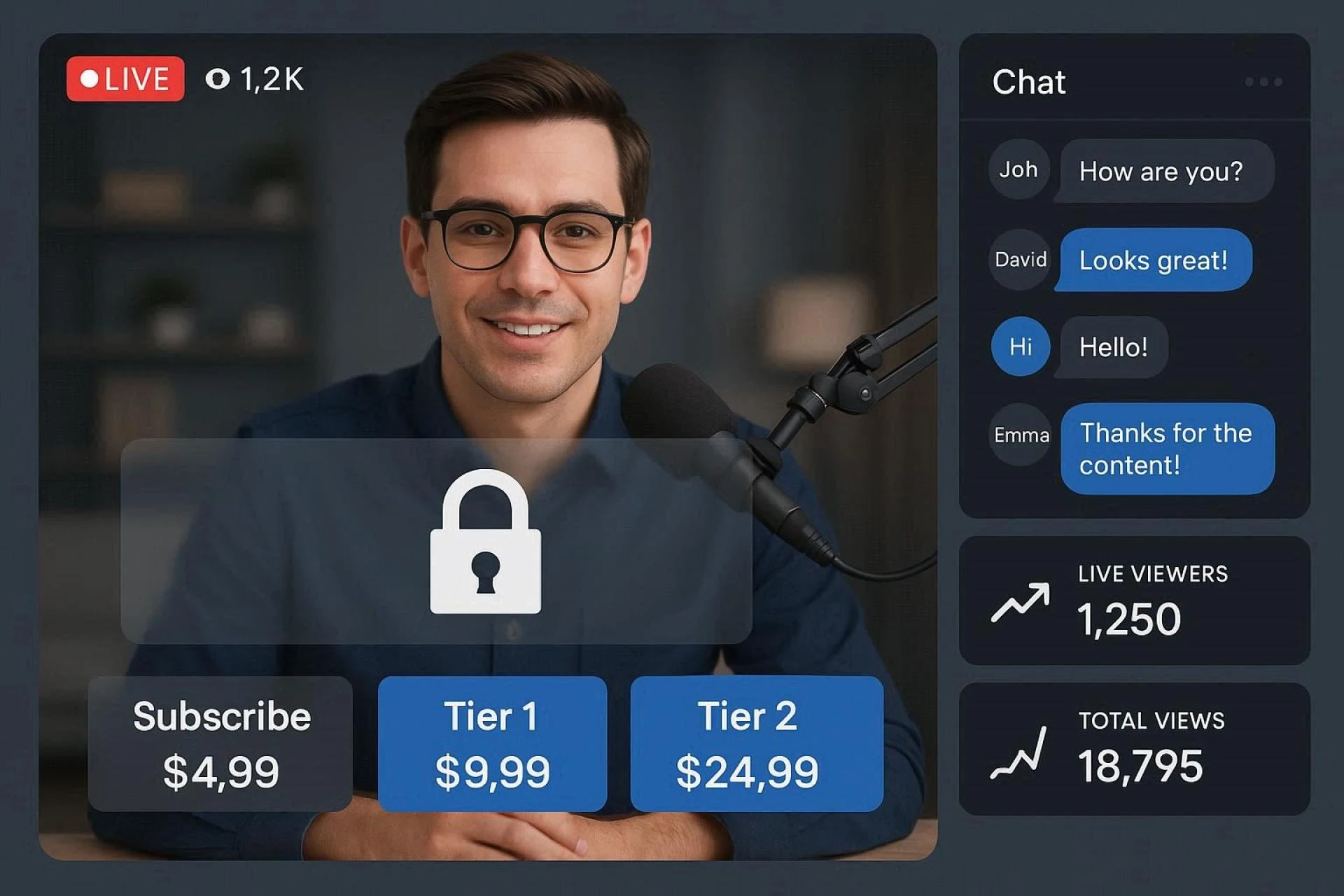
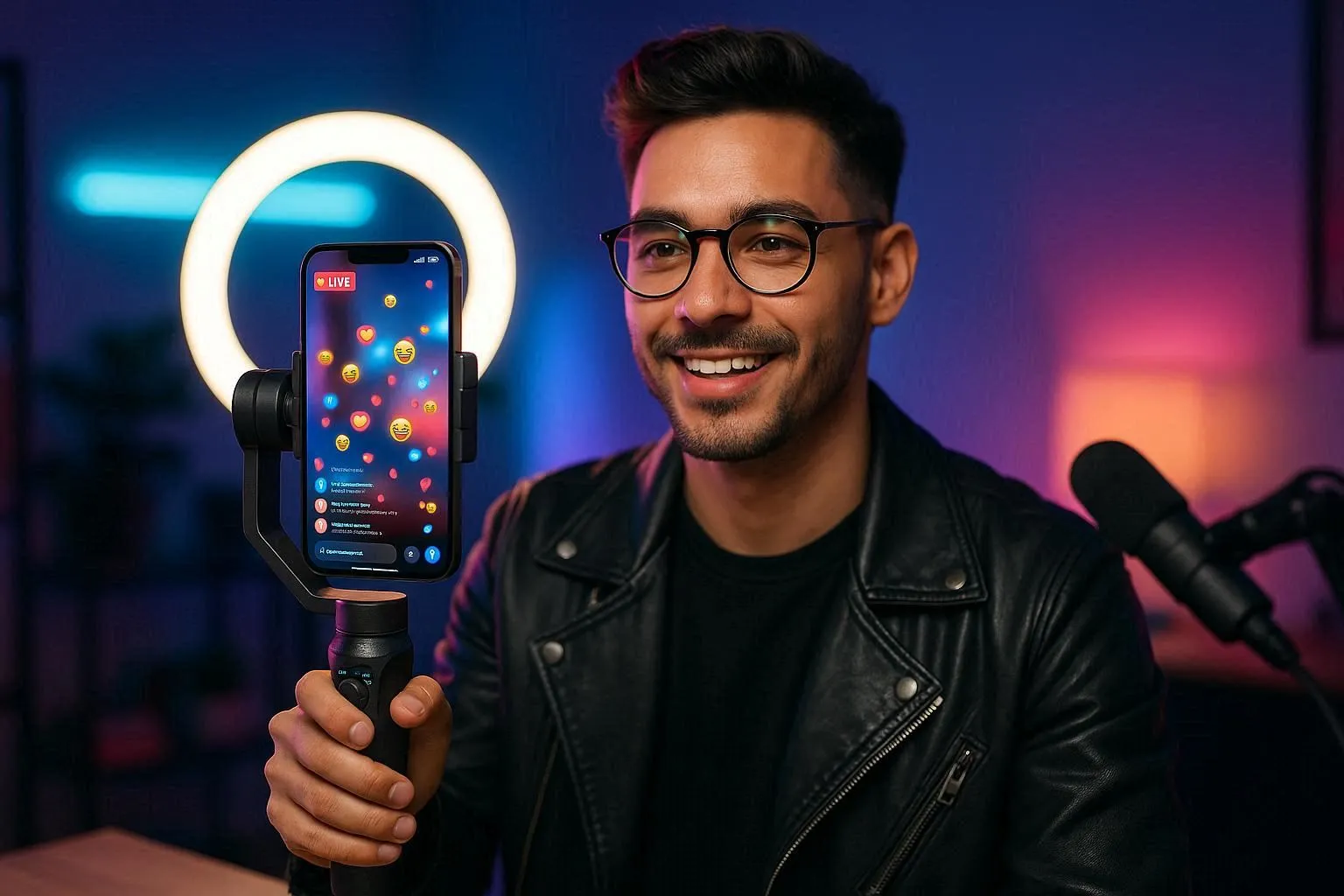
Sports betting platforms now offer in-play wagering that actually works. Virtual events feel genuinely live, with presenters responding to audience reactions instantly. Online gaming streams let viewers interact with players without awkward delays breaking the conversation flow.
The Technical Magic Behind Instant Delivery
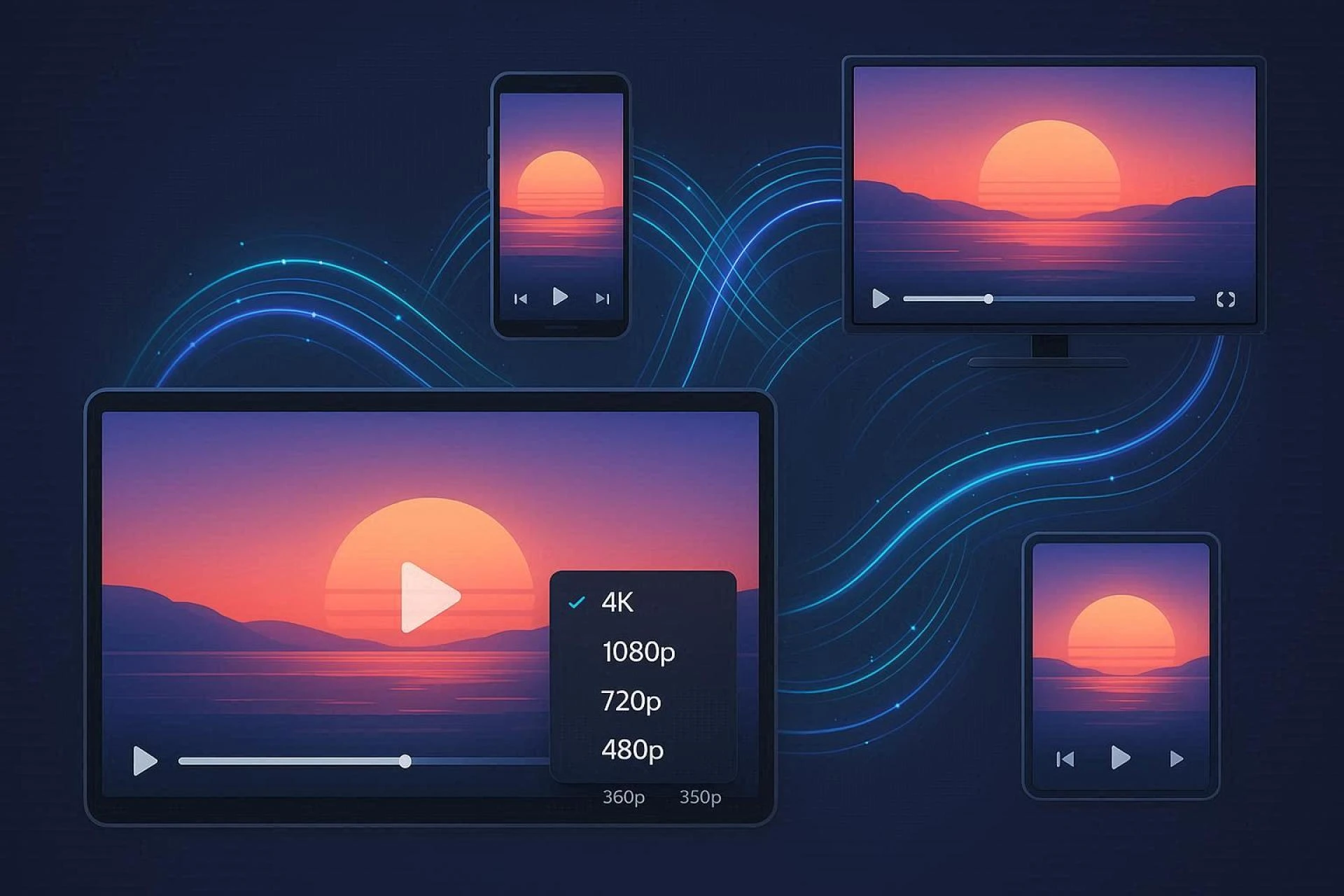
Achieving near-instant transmission requires sophisticated technology working harmoniously. Video transcoding plays a crucial role, converting content into multiple formats optimized for different devices and connection speeds—all without adding delay.
Modern streaming protocols like WebRTC bypass traditional content delivery methods, creating direct pathways between broadcasters and viewers. It's like switching from sending letters through postal services to having face-to-face conversations.
Real-World Impact on Engagement
The difference between 30-second and 3-second delays might seem trivial, but user behavior tells a different story. Interactive broadcasts with minimal delay see 4x higher engagement rates. Viewers stay longer, participate more, and—most importantly—come back.
Online education particularly benefits from this technology. Teachers can read the room, adjusting their pace based on real-time student feedback. Music instructors can correct technique instantly. Language tutors can have natural conversations without awkward pauses.
The Competitive Edge
In today's attention economy, every second counts. Audiences won't tolerate delays when competitors offer instant experiences. Whether you're streaming esports tournaments, hosting virtual conferences, or running online auctions, speed determines success.
The technology is here. The audience expects it. The only question is: will you deliver content at the speed of conversation, or will you let delays drive viewers away?

















Sign in to leave a comment.