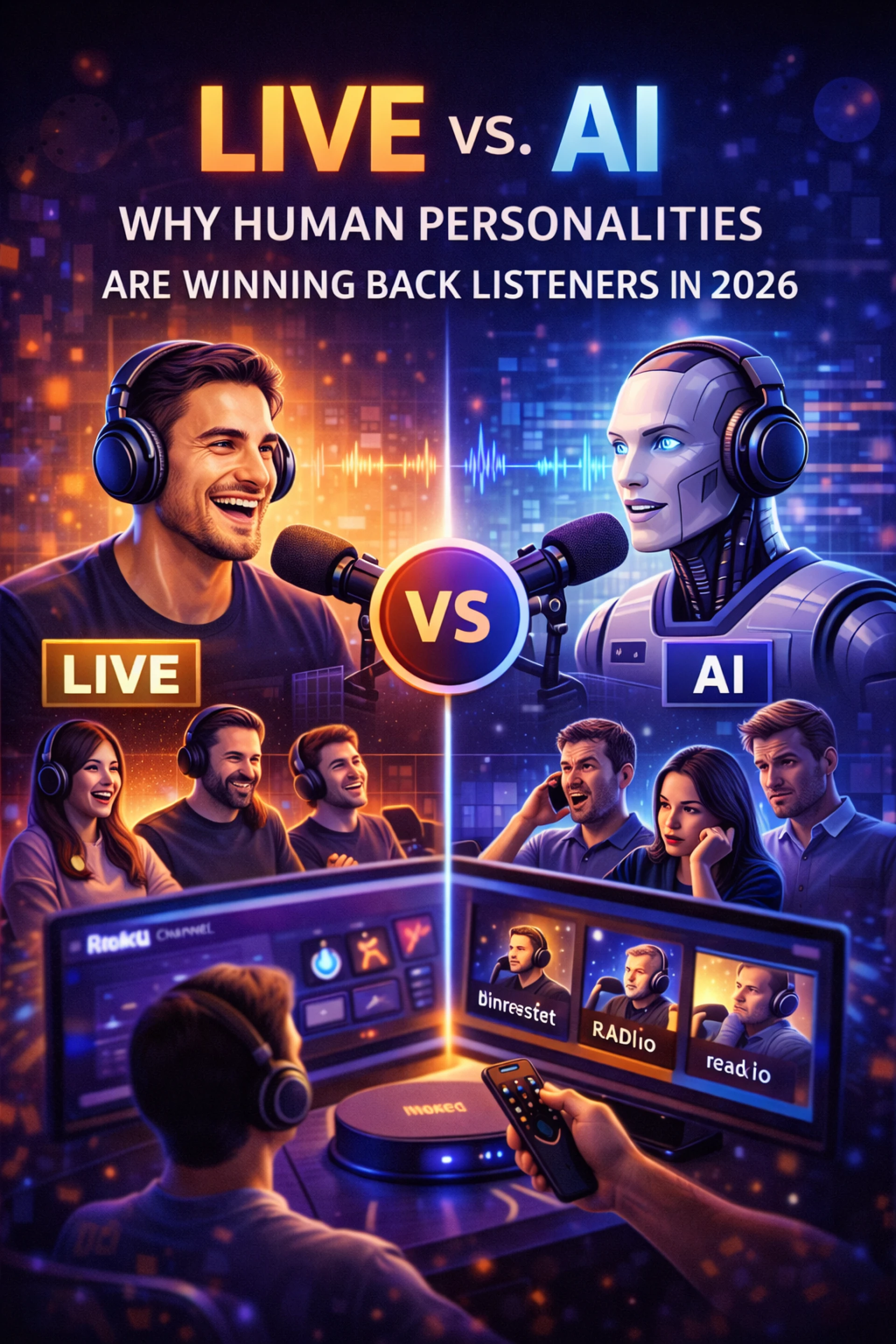

A few years ago, it felt inevitable. AI voices were getting smoother, playlists were getting smarter, and automation promised endless content without human error. Many predicted the slow fade of live hosts and personality-driven radio. But 2026 tells a different story.
Listeners are coming back to people.
Not avatars. Not synthetic voices. Real humans with opinions, mistakes, humor, and emotion. In an age saturated with algorithmic perfection, personality has become the differentiator. And nowhere is this more visible than in how creators create a radio station today and how platforms ingest live feeds that sound unmistakably human.
The AI Boom, and Its Limits
AI didn’t fail. It succeeded too well.
Automated radio stations now run flawlessly. They schedule songs perfectly, insert ads seamlessly, and never miss a beat. For background listening, they work. For scale, they’re efficient. For cost-cutting, they’re unbeatable.
But something went missing along the way.
AI doesn’t hesitate. It doesn’t laugh unexpectedly. It doesn’t react to a breaking moment with genuine surprise or discomfort. Over time, listeners noticed. Engagement plateaued. Loyalty weakened.
People didn’t stop listening. They just stopped caring.
Why Live Human Voices Feel Different
Live audio carries risk, and that’s exactly why it works.
When a host stumbles over a sentence or reacts emotionally to a caller, it creates tension. Presence. A sense that something real is happening right now. That feeling can’t be replicated by even the most advanced synthetic voice.
In 2026, audiences crave connection more than polish. They want to hear uncertainty. They want opinions that haven’t been pre-optimized. Human imperfections signal authenticity, and authenticity builds trust.
Live Feeds Are Making a Comeback
Behind the scenes, platforms are adapting to this shift.
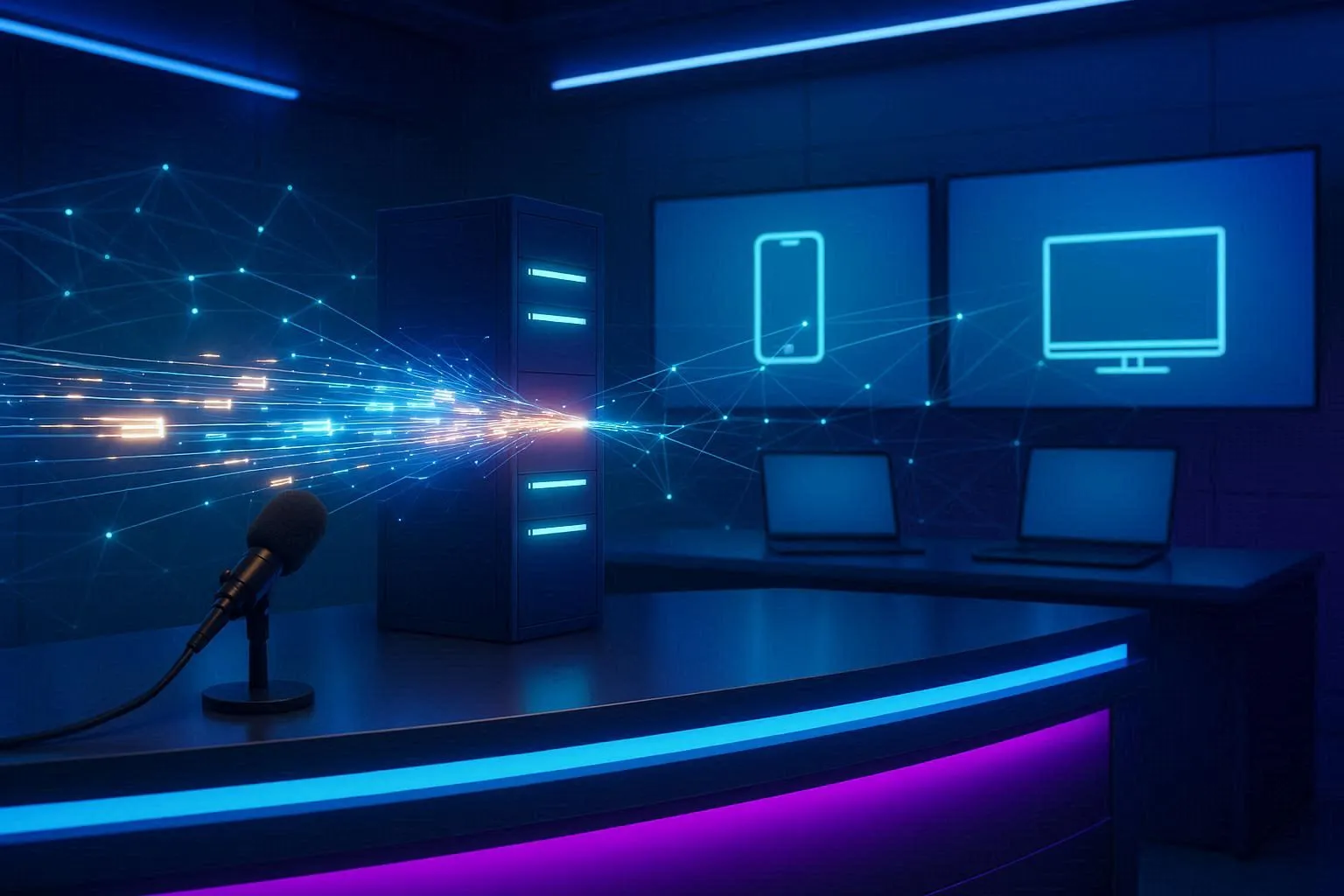
Modern broadcast systems are designed to ingest live feeds quickly and reliably across multiple platforms. Whether it’s a local studio, a home setup, or a mobile broadcast, live audio can now be distributed globally with minimal delay.
This technical flexibility has lowered the barrier for creators. You no longer need a traditional station to sound professional. You just need a voice people want to hear.
Creating a Radio Station in 2026 Looks Different
To create a radio station today is not about transmitters and towers. It’s about format, personality, and consistency.
Many modern stations blend live hosting with smart automation. Music and ads may be scheduled, but key moments remain human. Morning shows. Live discussions. Call-ins. Breaking reactions.
This hybrid model keeps costs manageable while preserving the emotional core that listeners respond to.
Why Listeners Are Choosing Humans Again
AI content is predictable by design. Humans are not.
Listeners want to feel seen and understood. They want hosts who reference local events, shared frustrations, cultural moments, and inside jokes. AI can simulate awareness, but it doesn’t experience anything.
Human hosts bring lived context. That context creates community.
In 2026, audio isn’t just entertainment. It’s companionship. And companionship requires a personality on the other side of the mic.
Trust, Not Just Convenience
Another reason human-led audio is winning back listeners is trust.
When news breaks or emotions run high, people don’t want an algorithmic summary. They want interpretation. Reassurance. Perspective.
Live hosts can say, “I don’t know yet, but here’s what I’m seeing.” That honesty matters. It builds credibility in ways automation cannot.
Technology Is Supporting, Not Replacing, Humans
Ironically, AI is still playing a role, just not the one everyone expected.
AI now assists behind the scenes. It helps manage schedules, optimize audio levels, suggest topics, and flag trends. It helps stations ingest live feeds more efficiently and distribute them across platforms.
But the voice remains human.
This balance is where modern radio thrives. Technology handles the mechanics. Humans handle the meaning.
The Economics of Personality
From a business perspective, human-led audio performs better in key areas.
Listeners stay longer. Advertisers see higher engagement. Sponsorships feel more natural when read by a trusted host instead of an AI voice.
As a result, personality-driven stations often outperform fully automated ones in long-term value, even if they cost more to run.
Final Thoughts: The Human Advantage
The lesson of 2026 is simple. Efficiency doesn’t equal connection.
AI can fill silence. Humans fill space with meaning.
As creators continue to create a radio station in new formats and platforms evolve to ingest live feeds more easily, the advantage belongs to those willing to show up live, imperfect, and real.






























Sign in to leave a comment.