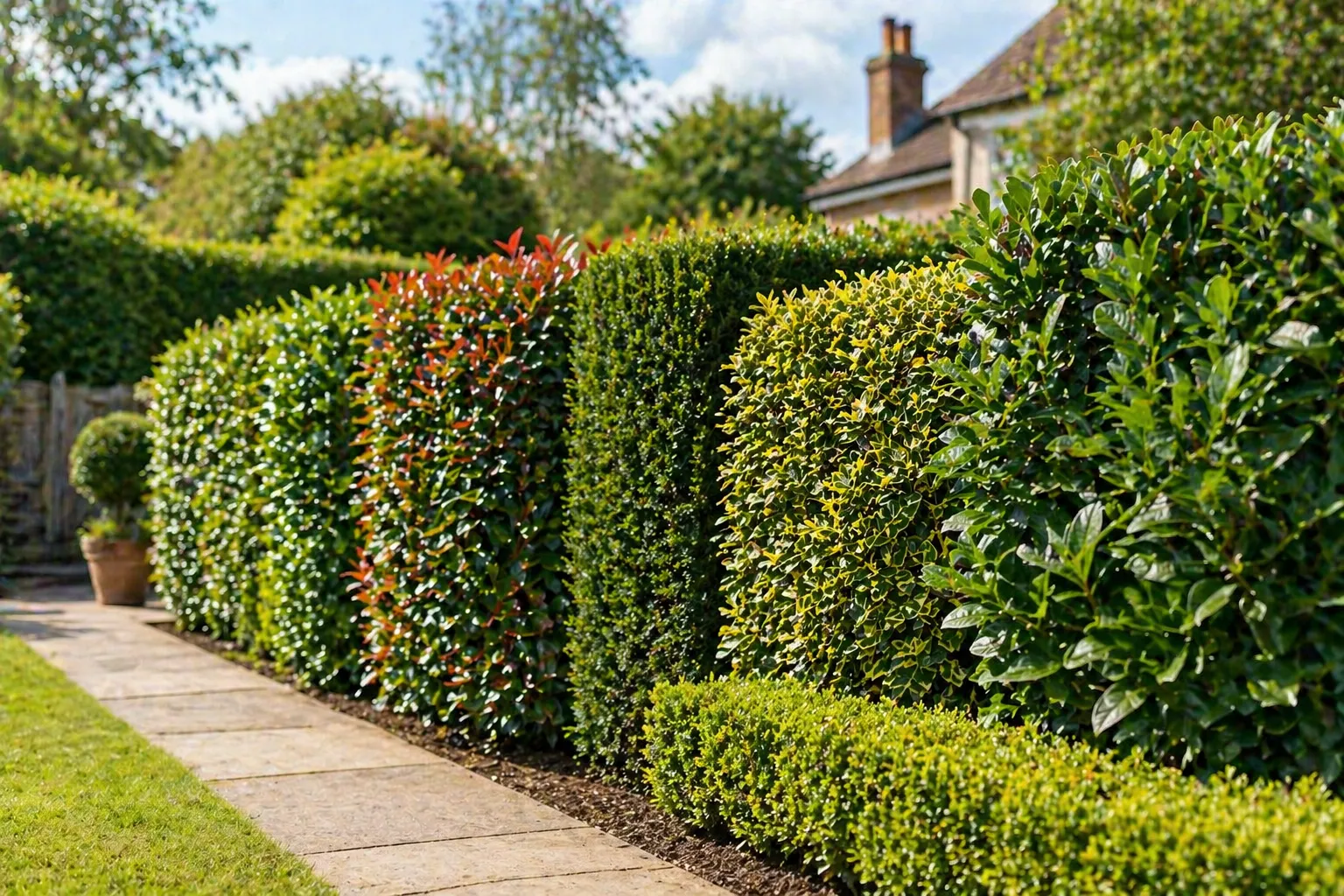

Creating a beautiful garden boundary does not have to involve constant trimming, watering or complicated upkeep. For many UK homeowners, low-maintenance hedges offer the perfect balance between practicality, privacy and year-round structure.
Whether you want to reduce gardening time, create a tidy evergreen screen or simply choose plants that thrive with minimal attention, selecting the right hedge variety can make a significant difference. Some hedges naturally require less pruning, cope well with UK weather conditions and remain healthy without intensive care.
At Everything Plants, low-maintenance hedge varieties remain a popular choice for gardeners looking to create attractive outdoor spaces without excessive upkeep.
In this guide, we’ll explore the best low-maintenance hedge plants for UK gardens, including evergreen and native options suitable for different garden styles and sizes.
What Makes a Hedge Low Maintenance?
Not all hedges require the same level of care. Some varieties grow rapidly and need frequent trimming, while others maintain their shape naturally and tolerate a wider range of conditions.
Characteristics of low-maintenance hedges:
- Slow to moderate growth rates
- Minimal pruning requirements
- Good resistance to pests and disease
- Tolerance to different soil types
- Adaptability to UK weather conditions
Choosing the right hedge from the start can save considerable time and effort in the long term.
Benefits of Low-Maintenance Hedges
Low-maintenance hedges offer more than just convenience.
Key advantages include:
- Reduced pruning and upkeep
- Lower water requirements once established
- Consistent year-round appearance
- Improved privacy and screening
- Better suitability for busy lifestyles
They are especially useful for homeowners seeking a tidy garden without committing to intensive gardening routines.
Best Low-Maintenance Hedge Plants for UK Gardens
Portuguese Laurel
Portuguese Laurel is one of the most elegant low-maintenance hedge choices for UK gardens.
Why it works well:
- Moderate growth rate
- Dense evergreen foliage
- Requires less trimming than faster-growing hedges
- Attractive dark green leaves and red stems
It suits both traditional and contemporary garden styles and performs well in urban environments.
Yew (Taxus baccata)
Yew is a classic British hedge plant valued for its longevity and neat appearance.
Benefits:
- Slow-growing and manageable
- Excellent for formal hedging
- Dense evergreen coverage
- Long lifespan
Although slower to establish initially, yew requires relatively little maintenance once mature.
Box (Buxus sempervirens)
Box hedging is ideal for structured borders and smaller garden spaces.
Advantages:
- Compact growth habit
- Easy to shape
- Minimal pruning needed
- Suitable for formal garden designs
Box works particularly well for decorative edging and low hedges.
Griselinia
Griselinia is becoming increasingly popular in UK gardens due to its fresh evergreen foliage and resilience.
Why gardeners choose it:
- Fast establishment
- Tolerates coastal conditions
- Relatively low maintenance
- Bright green leaves create a modern appearance
It is especially useful in sheltered gardens and milder parts of the UK.
Privet
Privet remains one of the most versatile hedge options available.
Key features:
- Easy to maintain
- Tolerates regular pruning
- Suitable for formal and informal hedges
- Semi-evergreen in milder regions
For gardeners looking for practical and adaptable hedging plants, privet continues to be a reliable choice.
Holly (Ilex aquifolium)
Holly provides year-round greenery alongside seasonal berries and wildlife value.
Benefits:
- Dense evergreen foliage
- Naturally robust and hardy
- Good security hedge due to spiny leaves
- Requires minimal annual pruning
It works particularly well in traditional British garden settings.
Evergreen vs Deciduous Hedges
One important consideration when choosing a low-maintenance hedge is whether you prefer evergreen or deciduous varieties.
Evergreen hedges:
- Maintain foliage year-round
- Provide constant privacy
- Require less seasonal clean-up
Deciduous hedges:
- Lose leaves in autumn
- Often support more wildlife
- Can require slightly less trimming depending on the species
For most homeowners prioritising screening and structure, evergreen varieties are generally the lower-maintenance option.
Choosing the Right Hedge for Your Garden
Different gardens require different hedge solutions.
Small Gardens
Compact hedges such as:
- Box
- Portuguese Laurel
- Yew
are often more manageable in limited spaces.
Privacy Screening
For privacy, consider:
- Laurel
- Griselinia
- Holly
These varieties create dense, year-round coverage.
Coastal Gardens
Coastal gardens benefit from salt-tolerant hedges such as Griselinia, which copes well with exposed conditions.
Formal Gardens
For neat, structured designs:
- Yew
- Box
- Privet
are popular choices due to their ability to hold shape well.
How Often Do Low-Maintenance Hedges Need Trimming?
One of the biggest advantages of low-maintenance hedges is reduced pruning frequency.
General trimming guidelines:
- Slow-growing hedges: once annually
- Moderate-growing hedges: one to two trims per year
Avoid excessive pruning, as this can encourage unnecessary rapid growth.
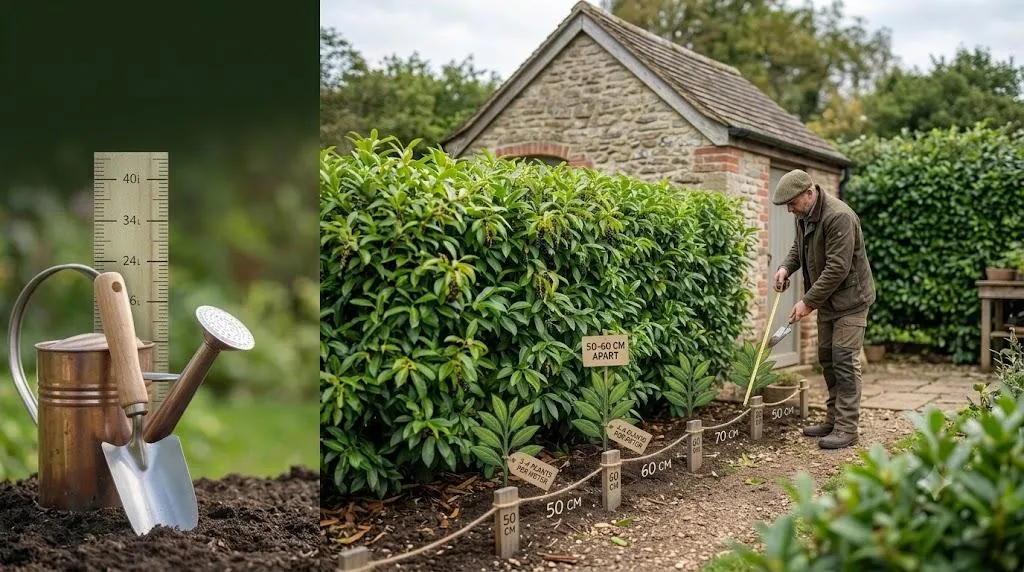
Planting Tips for Healthy Hedges
Even low-maintenance hedges benefit from good planting practices.
Key planting tips:
- Plant during autumn or spring
- Improve soil with organic matter
- Water thoroughly after planting
- Apply mulch to retain moisture
Proper establishment significantly reduces future maintenance requirements.
Common Mistakes to Avoid
Choosing the Wrong Hedge for the Space
Large, vigorous hedges can quickly overwhelm small gardens if not selected carefully.
Over-Pruning
Excessive trimming can stress plants and lead to uneven growth.
Poor Watering During Establishment
New hedges need consistent moisture during their first growing season.
Ignoring Soil Conditions
Some hedges perform poorly in heavy or poorly drained soils, so understanding site conditions is important before planting.
Wildlife Benefits of Low-Maintenance Hedges
Many hedge plants provide valuable habitats for birds, pollinators and beneficial insects.
Wildlife-friendly options include:
- Holly
- Yew
- Privet
Allowing hedges to grow more naturally can further improve biodiversity in the garden.
Final Thoughts
Low-maintenance hedge plants are an excellent choice for UK gardeners seeking privacy, structure and year-round greenery without excessive upkeep. By choosing suitable varieties and following simple care practices, you can create an attractive and practical hedge that remains healthy for years to come.
Whether you prefer the elegance of Portuguese Laurel, the timeless appeal of Yew or the resilience of Griselinia, there are plenty of low-maintenance hedging options suited to British gardens.




















Sign in to leave a comment.