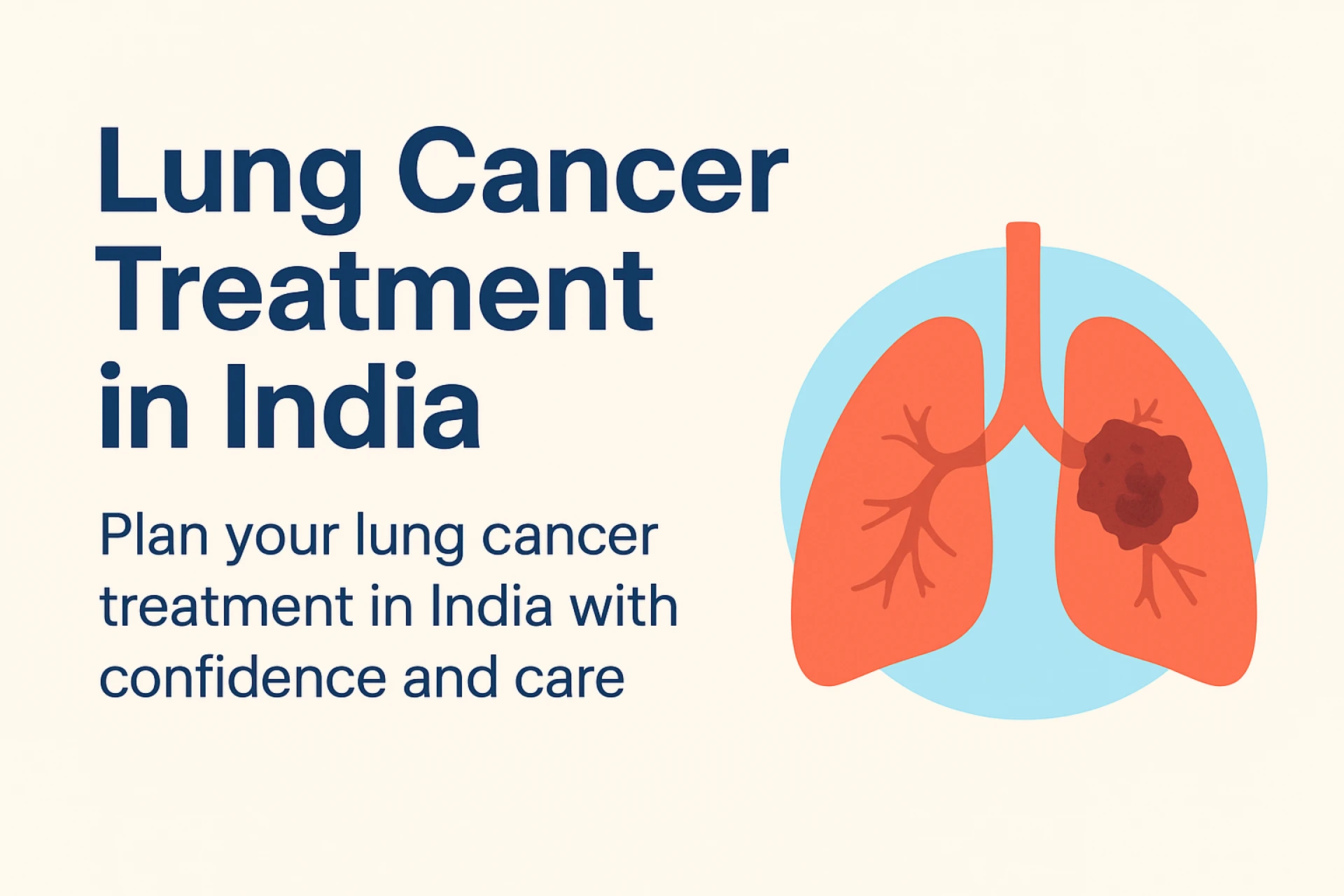

A new diagnosis interrupts work, travel plans, and sleep. The first step is to understand the illness clearly, then choose a path you can actually follow. In India, care teams confirm the tumour type, stage the disease with the right scans, and combine surgery, radiation, medicines, and supportive care so treatment feels organised rather than overwhelming.
Start with a precise diagnosis
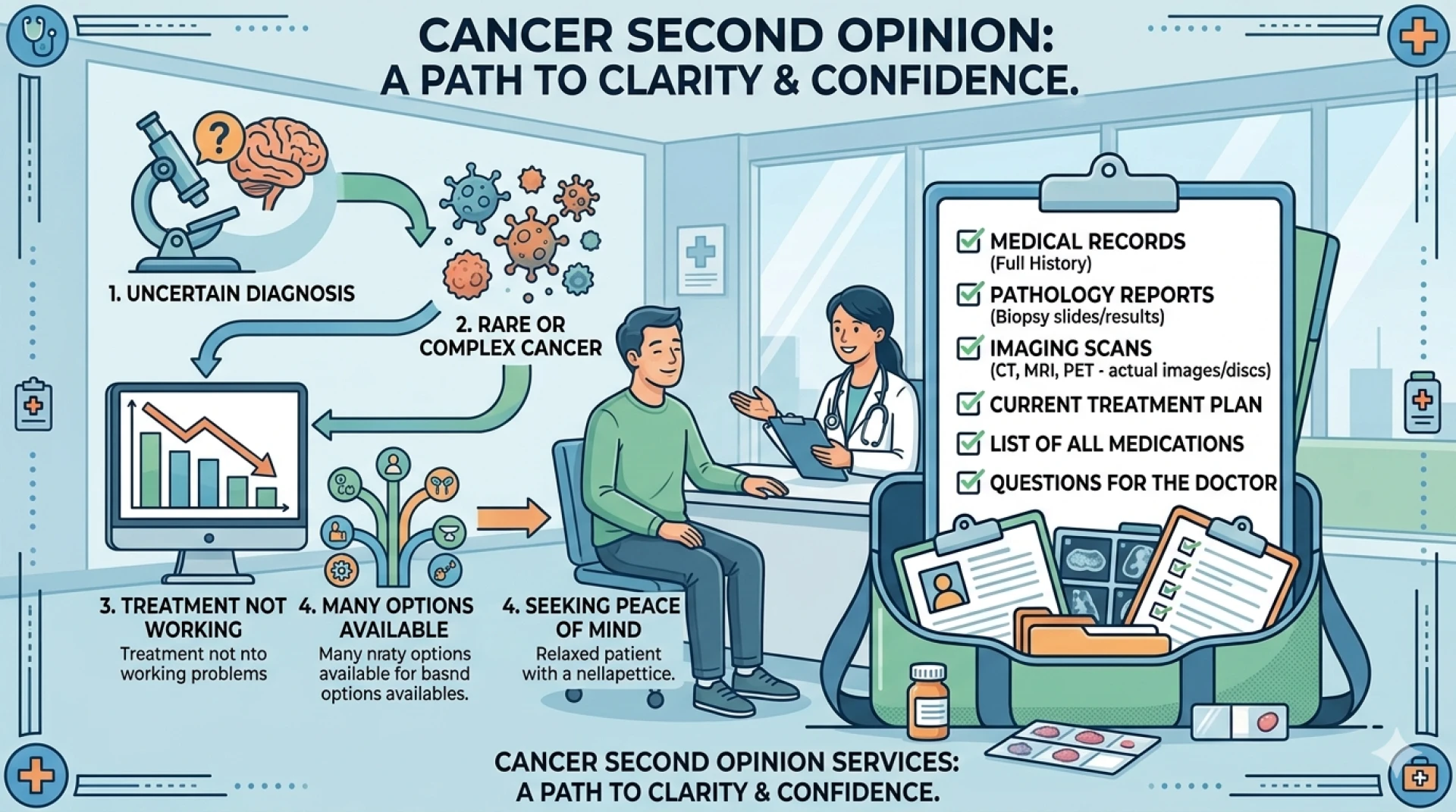
Ask for a tissue report that states non-small cell or small cell disease. For non-small cell cancers, request molecular testing for alterations such as EGFR, ALK and ROS1, and ask for PD L1 status when immunotherapy is considered. Staging commonly uses PET CT, contrast CT of the chest, and sometimes brain MRI. For lymph nodes near the airway, EBUS guided sampling can reduce invasive procedures. Keep DICOM copies of imaging and a one page summary listing prior treatments, allergies, current medicines, and the clinician’s working stage. This small packet speeds second opinions and avoids repeating tests.
Build a plan you can follow
Begin by agreeing on goals, either cure or control. Fitness checks may include lung function tests and a cardiac review. Many centres use a multidisciplinary discussion to decide sequence, for example surgery for early stage disease, chemoradiation for locally advanced settings, or targeted therapy and immunotherapy for eligible advanced cases. Ask for a simple calendar that shows start dates, lab checks, review visits, and the symptoms that should trigger a call.
Treatment choices at a glance
- Early stage -Selected patients proceed to surgery after fitness evaluation. When surgery is not possible, stereotactic body radiotherapy may be considered. Depending on pathology and biomarkers, adjuvant chemotherapy or targeted therapy can follow.
- Locally advanced - Concurrent chemoradiation is common. Planning covers CT simulation, positioning devices, number of fractions, and weekly reviews to manage side effects.
- Advanced or metastatic - Options include targeted therapy for tumours with driver mutations, immunotherapy for eligible profiles, and chemotherapy for symptom relief or disease control. Compare expected benefit, visit frequency, monitoring needs, and cost before choosing between regimens that offer similar outcomes.
Living around treatment
Small routines help more than people expect. Learn breathing exercises from your clinician, keep protein intake steady, and plan hydration. If you smoke or vape, ask for cessation support since quitting improves lung function and outcomes. Ask about the likely nadir period after chemotherapy, the days when blood counts drop, and the warning signs that require urgent review. If cleared, short walks or physiotherapy reduce stiffness and fatigue. Share your treatment calendar with a caregiver who can help on infusion days and pick up medicines when you need rest.
Logistics, costs, and access
Distance and queues are common in India. Combine scans, labs, and consults on the same day whenever possible, and use morning or evening appointment windows to cut travel time. Tele reviews work well for straightforward questions. Ask for written estimates that separate consultations, procedures, disposables, cycles of therapy, and follow up visits. Check whether generics or biosimilars are appropriate and what monitoring they require. If insurance is involved, learn pre authorisation steps and timelines. Save bills, prescriptions, and discharge notes in one folder to speed claims.
When to seek a second opinion
Seek another view when surgery appears extensive, when two plans show similar results but different side effects, or when pathology is unusual. Share digitised records so new teams can respond quickly. If opinions differ, ask each clinician to explain trade offs in plain language so you can decide with confidence.
Coordinated navigation
Care is easier when someone links oncology, radiation planning, pharmacy, rehabilitation, and follow up schedules. Uhapo can organise appointments, prepare second opinion packets, and make sure education and equipment are in place so important steps are not missed.
FAQs
- How long does chemoradiation take? Planning takes a few days, then daily sessions continue for several weeks with weekly reviews.
- Can I keep working during treatment? Many people do, with lighter duties on infusion weeks and planned rest on high fatigue days.
If you want a structured pathway, from record collection and timelines to second opinions and follow up, reach out through the website. Uhapo can help you plan lung cancer treatment in India while keeping everyday life in view.



























Sign in to leave a comment.