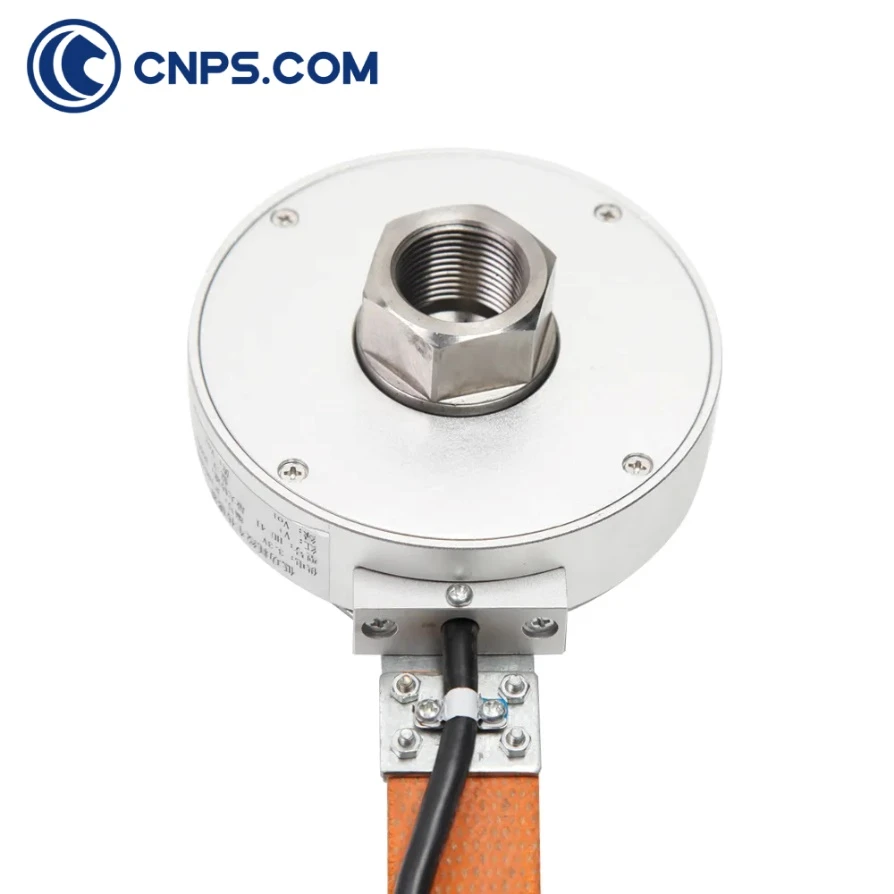

In the oil and gas industry, accurate data acquisition is crucial for the success of drilling operations. Two primary methods for obtaining subsurface information are Logging While Drilling (LWD) and wireline logging. Each method has distinct advantages and applications, and choosing the right one depends on various factors, including the specific needs of your project.
This article delves into the differences between LWD and wireline logging, exploring their benefits and applications to help you make an informed decision.
Understanding Logging While Drilling (LWD)
Logging While Drilling (LWD) involves the integration of logging tools into the drill string, enabling the collection of real-time data as drilling progresses. This approach offers several advantages, particularly in terms of efficiency and immediacy.
Advantages of LWD
Real-Time Data Acquisition: One of the key benefits of logging while drillingis the ability to obtain real-time data. With LWD drilling, measurements of formation properties such as density, resistivity, and porosity are gathered continuously as the well is drilled. This real-time feedback allows for immediate adjustments to the drilling parameters, optimizing well placement and reducing non-productive time.Enhanced Drilling Efficiency: LWD in drillingprovides valuable insights into the geological formations encountered, enabling operators to make timely decisions that enhance drilling efficiency. By having access to up-to-date information, drilling teams can avoid potential issues and optimize their drilling strategy, leading to faster and more cost-effective operations.Improved Safety: LWD logging while drillingtools are designed to detect potential hazards, such as overpressure zones or unstable formations, in real-time. This proactive approach helps in mitigating risks and ensuring the safety of the drilling operation.Key Components of LWD
LWD Downhole Equipment: Includes various sensors and tools integrated into the drill string, providing continuous measurements of formation properties.LWD Sensor Equipment: Measures parameters such as gamma-ray, resistivity, and porosity.LWD Equipment Manufacturers and Suppliers: Companies that design and provide advanced LWD tools and technologies.Understanding Wireline Logging
Wireline logging is a traditional method used to collect subsurface data by lowering measurement tools into the wellbore on a wireline cable after the drilling process has been completed. This method is known for its detailed and accurate data but has different characteristics compared to LWD.
Advantages of Wireline Logging
High-Resolution Data: Wireline logging tools can provide high-resolution data and detailed information about the geological formations. This method is particularly useful for thorough formation evaluation and analysis after the well has been drilled.Flexible Data Collection: Wireline logging allows for the collection of various types of data, including core samples and specialized measurements, which may not be possible with LWD tools. This flexibility is beneficial for detailed formation studies and reservoir characterization.Comprehensive Logging: Wireline loggingis typically performed over the entire length of the wellbore, providing a comprehensive dataset that can be used for in-depth analysis and interpretation.Key Components of Wireline Logging
Wireline Tools: Include a range of sensors and devices designed for different types of measurements, such as resistivity, porosity, and acoustic properties.Wireline Equipment Providers: Companies specializing in manufacturing and supplying wireline logging tools and technologies.Comparing LWD and Wireline Logging
When deciding between LWD and wireline logging, several factors should be considered:
Timing of Data Acquisition:LWD: Provides real-time data during the drilling process, allowing for immediate decision-making and operational adjustments.Wireline Logging: Data is collected after drilling is completed, which can be beneficial for detailed analysis but lacks real-time feedback.Efficiency and Cost:LWD: Enhances drilling efficiency by providing immediate insights that can optimize drilling parameters and reduce non-productive time. This can lead to cost savings and faster project completion.Wireline Logging: This may involve additional trips and costs since data collection occurs after drilling, potentially leading to increased operational time and expenses.Data Detail and Resolution:LWD: Offers continuous measurements during drilling but may have limitations in terms of resolution and the range of data collected.Wireline Logging: Provides high-resolution data and a comprehensive dataset, which is valuable for detailed formation evaluation and reservoir analysis.Safety Considerations:LWD: Improves safety by allowing for real-time detection of potential hazards and enabling proactive adjustments to the drilling process.Wireline Logging: While providing detailed data, it does not offer the same level of real-time hazard detection during the drilling phase.Choosing the Right Method
The choice between LWD and wireline logging depends on your specific project requirements and objectives. For real-time data and operational efficiency, logging while drilling is often the preferred choice. It enables immediate decision-making and enhances drilling performance. On the other hand, for detailed post-drilling analysis and high-resolution data, wireline logging provides valuable insights for comprehensive formation evaluation.
Ultimately, both methods have their strengths and applications, and in some cases, a combination of LWD and wireline logging may be the most effective approach. By understanding the advantages and limitations of each method, you can make an informed decision that aligns with your drilling objectives and operational needs.
Maximize your drilling efficiency and data accuracy with CNPS's advanced LWD and wireline logging solutions. Contact CNPS today to find the ideal logging technology for your needs.






























Sign in to leave a comment.