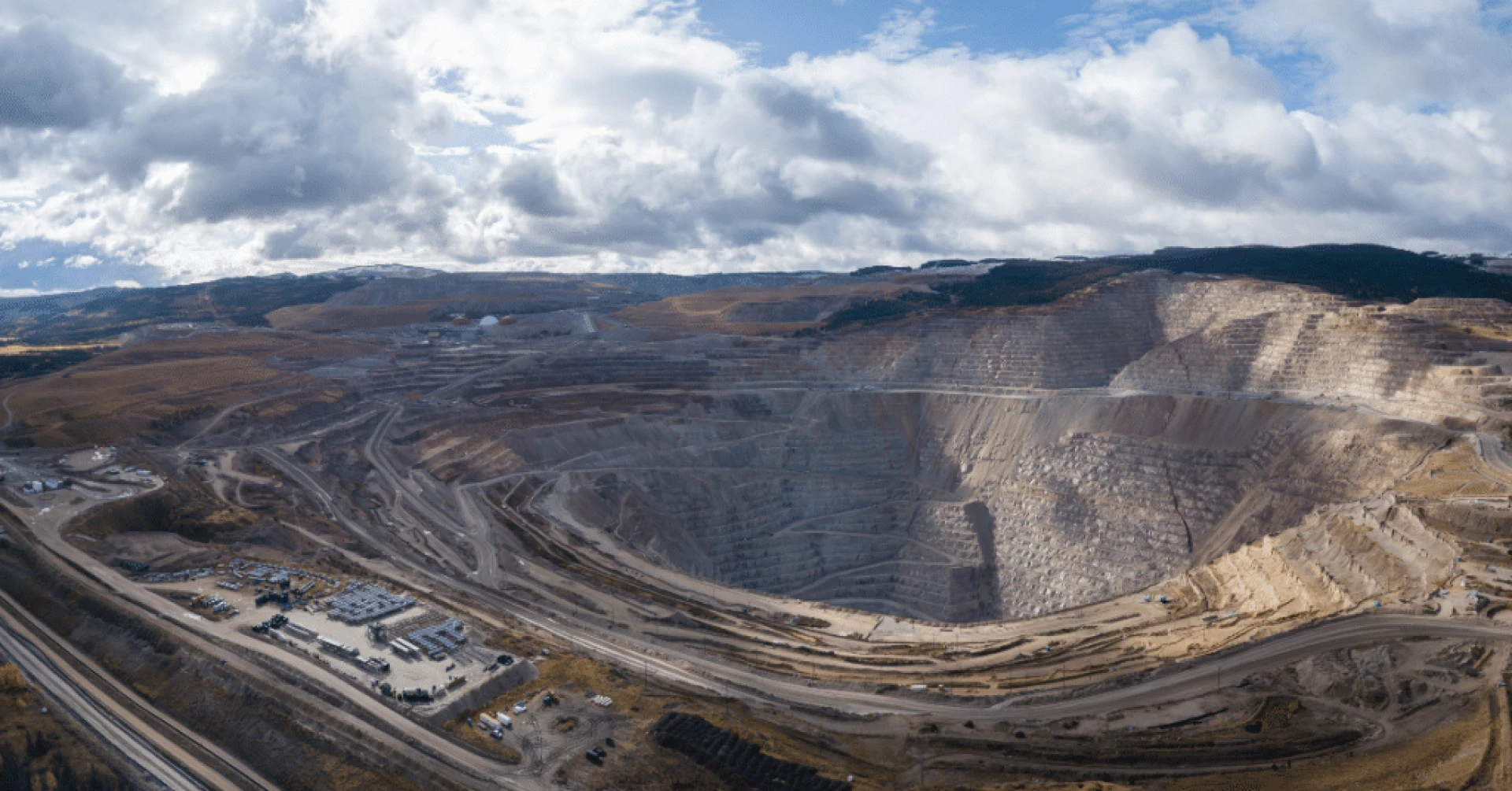

Magnetic systems play a major role in modern mining and material handling. They help separate metals, remove impurities, and improve the quality of raw materials before processing. Equipment like a dry magnetic separator or a suspended magnetic separator has become essential across industries that deal with minerals, metals, and coal.
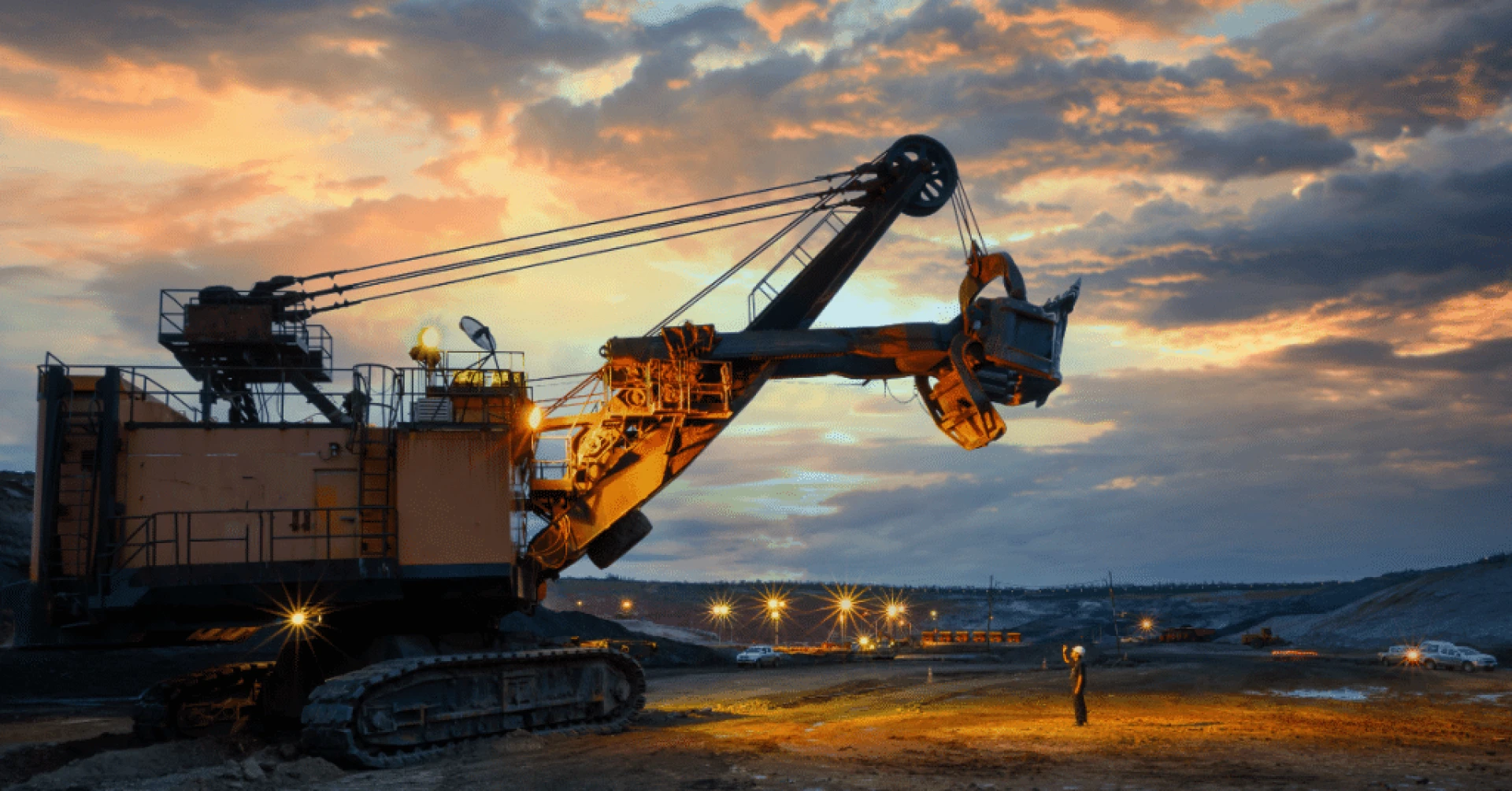
The Purpose of Magnetic Separation
The goal of magnetic separation is to remove ferrous particles from materials that are processed in mining, recycling, or manufacturing. Magnetic technology is designed to improve efficiency and protect equipment from damage caused by unwanted metal objects. By separating metallic contaminants early, operations save time and reduce maintenance costs.
For example, during iron ore beneficiation, magnetic separation helps extract valuable iron content from mined ore. The process ensures that the output is pure and ready for further use in steel production.
How Dry Magnetic Separators Work
A dry magnetic separator is used when the material being processed has little or no moisture. The system works by passing materials over a rotating drum or belt fitted with strong magnets. The magnetic particles stick to the surface, while non-magnetic materials fall away.
This method is commonly used in mining environments where water is limited or where wet processing is not practical. It is highly efficient for fine or coarse mineral particles, improving overall recovery rates without adding extra costs for drying or washing.
Applications in Coal and Mineral Processing
Magnetic systems are also widely used in coal beneficiation. Coal often contains small amounts of metal or impurities that can affect its quality. Magnetic separators remove these unwanted particles, producing cleaner coal with better burning efficiency.
Similarly, during mineral extraction, magnetic technology ensures that valuable elements like iron, manganese, and chromium are recovered effectively. These minerals are then processed for industrial and manufacturing purposes.
Ferrochrome and Specialized Mining Magnets
In high-temperature or metallurgical industries, a Ferrochrome Magnet is used to separate or recover chromium-rich metals. These magnets are designed to handle hot, abrasive, and heavy materials without losing their strength. They are particularly useful in foundries and smelting plants, where they improve material recovery and reduce waste.
On a broader scale, mining magnets are used in different parts of the mining process. They protect crushers, grinders, and conveyor systems by removing stray metal parts. This prevents damage to machinery and reduces costly downtime.
Handling Heavy Materials Safely
Heavy industries rely on material handling magnets to move large metal parts safely and efficiently. These magnets are commonly used to lift steel plates, scrap, or heavy components in mining yards and factories.
Using magnetic lifting equipment reduces manual labour and improves workplace safety. Operators can easily lift, move, or release materials using simple magnetic control systems, saving time and reducing risk.
Removing Unwanted Metal Contamination
One of the biggest challenges in processing plants is unwanted metal contamination. A tramp magnet is often installed along conveyor belts to remove metal fragments like bolts, nuts, or tools that accidentally enter the production line.
For larger or more complex setups, tramp metal magnets are placed strategically across multiple stages of the process. This prevents blockages and keeps the system running smoothly.
Suspended Magnets and Conveyor Protection
A suspended conveyor magnet is installed above a conveyor belt to continuously extract ferrous materials as products move along the line. This system works well in industries such as mining, recycling, and construction materials, where contamination must be kept to a minimum.
Similarly, a suspended magnetic separator performs automatic cleaning, removing metal pieces from bulk materials in one continuous operation. These systems are highly reliable and designed to run non-stop in harsh industrial conditions.
Real Example of Magnetic Separation in Use
In a mining operation handling iron ore, multiple suspended magnets were installed above conveyor belts. The magnets captured stray metallic parts before the ore reached crushers. As a result, the plant saw fewer breakdowns and longer equipment life.
Later, a dry magnetic separator was added to refine the product further, helping the team achieve a higher-grade output suitable for export. This setup showed how efficient magnetic systems can transform industrial productivity.
Why Magnetic Systems Are Important
From mining magnets to material handling magnets, magnetic systems make operations safer, cleaner, and more efficient. They reduce waste, protect expensive machinery, and improve product quality across different industries.
Whether it’s for iron ore beneficiation, coal beneficiation, or recycling, magnetic separation remains one of the most effective ways to handle ferrous materials. With modern advancements in magnet design, industries continue to rely on these systems for consistent and reliable performance.































Sign in to leave a comment.