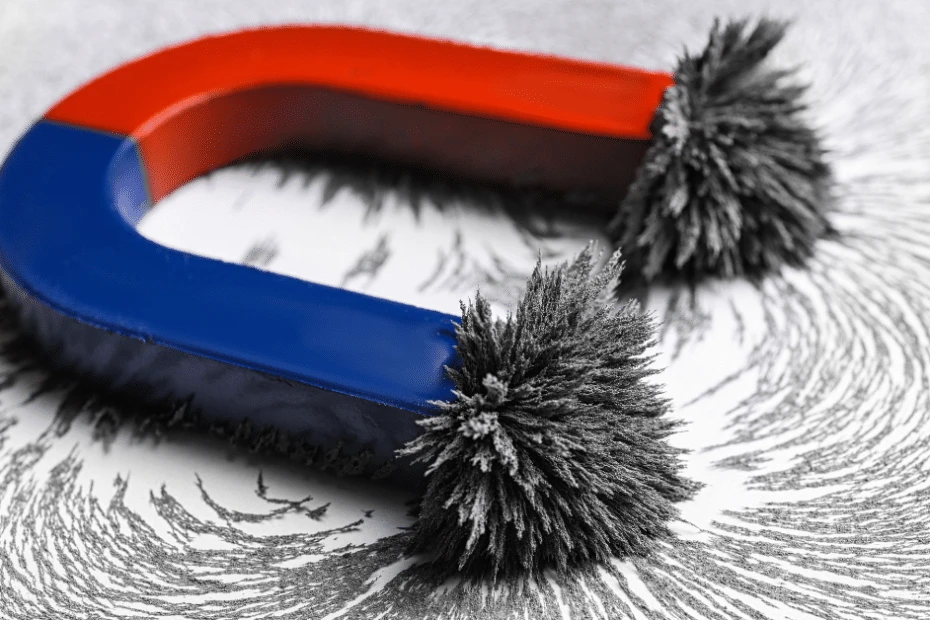

Magnetic separation is used in many industries to remove unwanted metal from materials. Whether it’s food processing, mining, or recycling, magnetic systems help clean up the flow of materials and protect machinery from damage.

What Are Magnetic Separators?
Magnetic separators are machines or devices that use magnets to pull metal objects out of raw materials. These metals can be in the form of iron pieces, nails, or even fine particles. Separators are placed along a production line or conveyor to catch any unwanted bits before they cause problems.
There are different types, and each one is used for a specific purpose. Some are better for dry materials, while others work with wet or sticky substances.
Conveyor Systems With Built-In Magnets
In many factories, materials move through belts. That’s why magnetic separator conveyor belts are used to separate metal as the materials move. These belts have magnets installed either above or inside them.
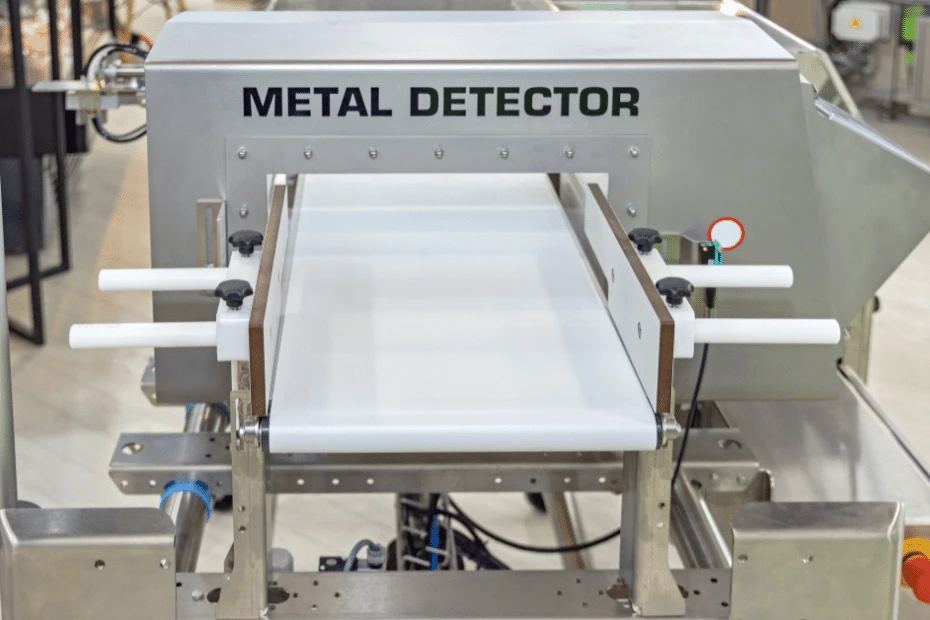
A full magnetic conveyor system includes these belts and extra parts like metal detectors or self-cleaning devices. A well-placed conveyor magnetic separator catches the metal without stopping the line, making the process more efficient.
These systems are common in industries like glass, cement, plastic, or waste recycling. They help reduce downtime by catching metal before it damages equipment like grinders or crushers.
Types of Magnetic Separators
There are many designs, and each one fits a different use case. A magnetic drum separator is one of the most well-known types. It works well for bulk material and can operate in dry or wet conditions.
Another option is the cross belt magnetic separator. It sits above the belt and pulls metal up and away from the product stream. This is often used in mining or scrap yards where metal pieces can be large and dangerous.
Wet material needs a wet drum magnetic separator. This is often found in coal plants or places that handle slurry. It can remove very fine iron particles that are suspended in water.
Some materials need stronger magnets. That’s when a high intensity magnetic separator is used. This type can pick up very small or weakly magnetic particles. On the other side, a low intensity magnetic separator works best when dealing with highly magnetic metals like iron.
Roller designs, such as a magnetic roller separator, are better suited to dry processing and powders. These are often used in ceramics or chemical industries.
Pulley and Drum-Based Solutions
At the end of a conveyor, you might find a magnetic head pulley. This part rotates and pulls metal off the product stream before it drops off the belt.
A magnetic pulley separator works similarly. These pulleys are used in systems where space is tight or there’s no room for a full drum or cross belt.
Some systems use a drum type magnetic separator instead of a pulley. These are fixed in place and used to clean high-volume product streams without much human input.
Heavy-Duty and Industrial Use
Larger operations such as mining, cement works, or waste plants often use industrial magnetic separators. These units are built for 24/7 use and are made from strong materials that can handle rough environments.
In HVAC or plumbing systems, a magnetic dirt separator might be installed to catch metal shavings or rust. These separators protect pumps, valves, and other components from clogging or wear.
Other systems like a magnetic roller conveyor keep small pieces of metal in place or remove them along the way. These are common in sorting and packaging environments.
Costs and Setup
One factor many companies look at is the magnetic conveyor belt price. Prices can change depending on size, strength, and extra features like cleaning systems.
A proper magnetic separator for belt conveyor is designed to fit the system and match the type of material moving through it. It’s important to choose one that can handle both the volume and speed of your line.
Many businesses compare offers from magnetic separation equipment suppliers before making a decision. They check performance, delivery time, and long-term maintenance.
It’s also good to confirm that the supplier is a trusted magnetic separator manufacturer with experience in your industry.
Overhead Magnets
Sometimes, material on a belt needs to be cleaned from above. This is where an overbelt magnet is used. These magnets hang over a conveyor and pick up metal as it moves below.
Another powerful option is a suspended electromagnet. These are often oil-cooled and self-cleaning. They are designed for heavy-duty work and can run without constant human input.





























Sign in to leave a comment.