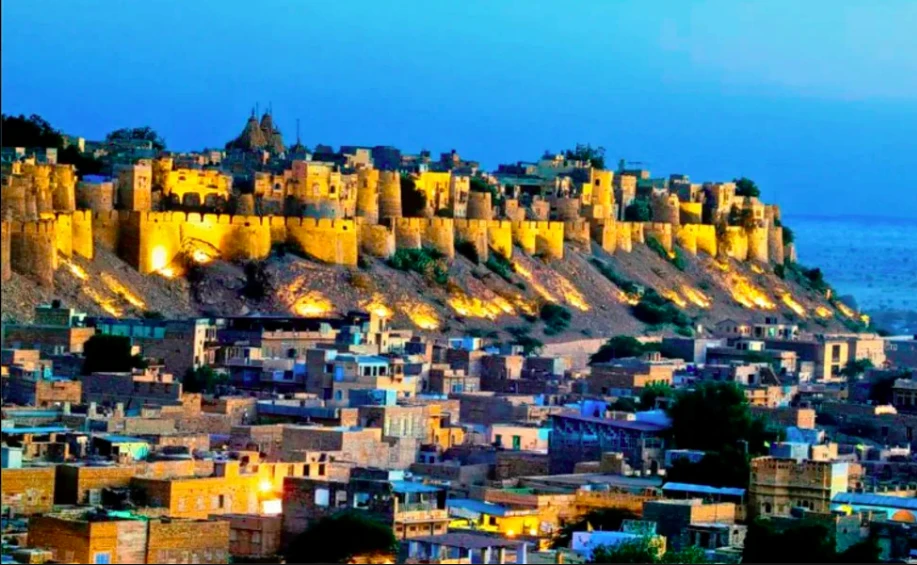

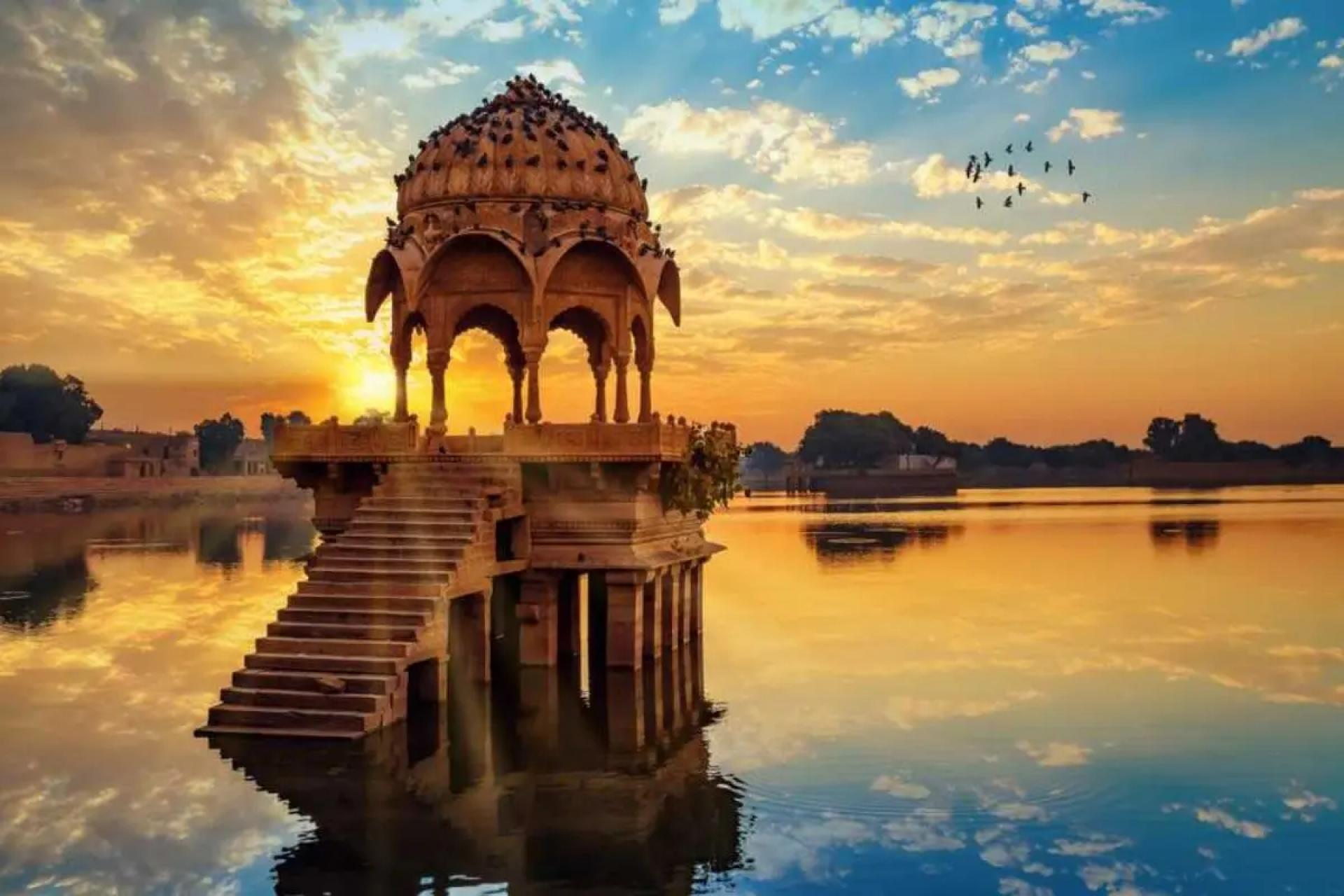
Jaisalmer Fort, known locally as Sonar Quila or the Golden Fort, stands tall amidst the endless Thar Desert. Built in 1156 AD by Rawal Jaisal, this UNESCO World Heritage Site is not just an architectural wonder but a living fort—still inhabited by families whose roots go back centuries. Located close to the popular Camp in sand dunes Jaisalmer, the fort offers more than just a history lesson. It brings to life the vibrant culture, architecture, and artistry of Rajasthan.
Raj Mahal: The Royal Palace Inside the Fort
One of the central attractions within Jaisalmer Fort is the Raj Mahal, or the Royal Palace. This multi-level structure was home to the former rulers of Jaisalmer. The palace features beautifully carved balconies, delicate stonework, and spectacular views over the city and desert. Each room showcases a distinct period in Jaisalmer’s royal lineage, with artifacts and decorative pieces preserved in their original form.
Jain Temples: Intricate Architecture and Spiritual Significance
A key feature of the fort is its group of seven interconnected Jain temples dating back to the 12th and 15th centuries. These temples are dedicated to the Jain Tirthankaras and are revered for their exquisite sandstone carvings. The sculptures and walls bear such precision and detailing that they rival even the best marble work found elsewhere in India. Travelers and historians alike are drawn to the spiritual calm and the artistic excellence housed within these temple walls.
Laxminath Temple: Fusion of Faiths
Another sacred site within the fort is the Laxminath Temple, which holds importance among the Hindu population of the region. Dedicated to Goddess Lakshmi and Lord Vishnu, this temple represents the fort’s unique cultural mix of Jain and Hindu religious traditions. The vibrant festivals celebrated here provide an opportunity to witness local customs and traditional rituals firsthand.
Merchant Havelis: Stories Carved in Stone
As you walk through the narrow lanes of Jaisalmer Fort, you'll come across beautifully preserved merchant havelis. These mansions belonged to the wealthy traders who once controlled the silk and spice routes. Patwon Ki Haveli, the most famous among them, features intricately latticed windows, archways, and frescoes. Each haveli tells a story of opulence, trade, and craftsmanship. Their sandstone facades glow golden under the desert sun, creating picture-perfect views.
Fort Markets: Traditional Craftsmanship and Local Flavor
The bustling bazaars inside the fort are a major draw for visitors. From handmade textiles and silver jewelry to puppets and wood carvings, the markets inside Jaisalmer Fort offer a rich taste of Rajasthani culture. Supporting these local businesses helps sustain traditional art forms, many of which have been passed down through generations. The atmosphere is lively, with the aroma of street food blending into the sound of local folk music.
Cannon Points: Panoramic Views and Defense History
Strategically placed cannons still mark the defense points of Jaisalmer Fort. These lookout areas offer panoramic views of the surrounding city and desert. You can see the bustling streets below, the ancient wells, and the endless sands stretching into the horizon. These points not only reflect the military acumen of the Bhati rulers but also provide some of the best photo opportunities in the fort.
Architecture That Breathes History
One of the reasons Jaisalmer Fort remains unforgettable is its unique architecture. Built with yellow sandstone, the entire structure appears to change color with the movement of the sun. It glows golden in the early morning and fades to honey tones by evening, earning it the title "Golden Fort." The latticework, jaalis, and balconies reflect a deep understanding of climate and airflow, allowing the interiors to stay cool even during the desert heat.
Local Life Within the Fort Walls
Unlike most forts in India, Jaisalmer Fort is still home to over 4,000 people. Families live, work, and worship within its walls. This coexistence of tourism and tradition is rare. You’ll see children playing in alleyways, elders offering prayers, and artisans at work, all creating a living tapestry of desert culture. This aspect gives visitors a more intimate understanding of life in Jaisalmer beyond the tourist attractions.
Night Views and Sound & Light Show
As dusk falls, the fort takes on a magical quality. The lights of Jaisalmer city begin to twinkle, and the fort itself is lit in a warm amber hue. Several viewing spots outside the fort offer spectacular night vistas. Some seasons also feature sound and light shows narrating the fort’s history, adding another dimension to the visitor experience.
Nearby Desert Experiences
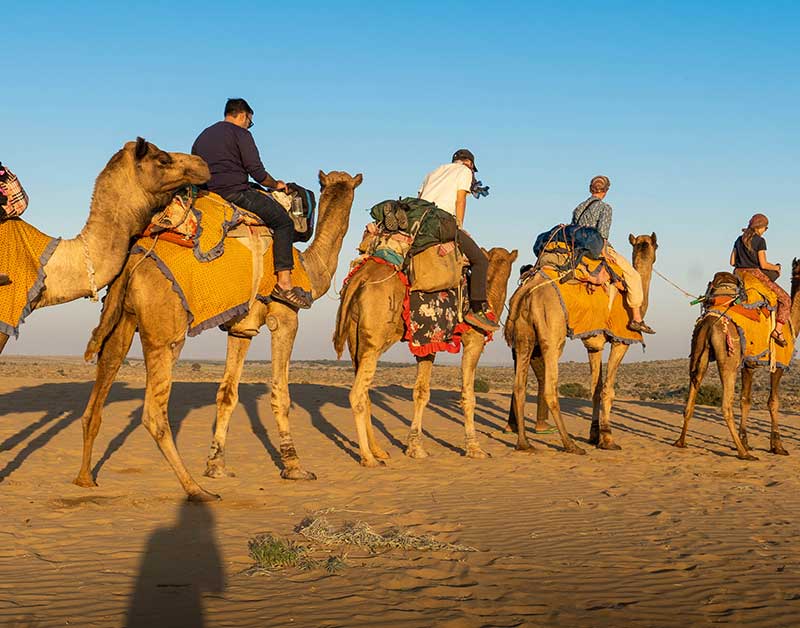
No visit to Jaisalmer Fort is complete without exploring the nearby desert. Just an hour's drive from the fort, Sam offers a perfect blend of adventure and traditional hospitality. From camel safaris to Jaisalmer desert tents, the experience is immersive. These camps allow travelers to experience the stillness of the dunes while enjoying folk performances and local cuisine under the stars.
Stay in a Luxury Swiss Tent Near the Fort
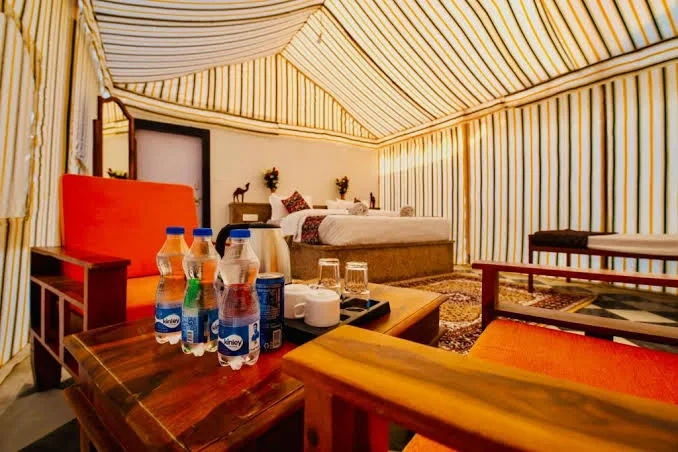
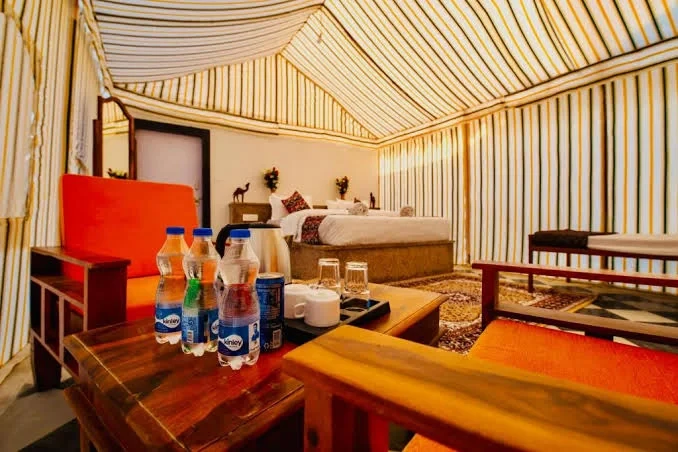
If you're looking for something that blends rustic charm with modern comfort, a Luxury Swiss Tent in Jaisalmer is an excellent option. Set amid the rolling dunes, these tents offer an escape from the urban pace without compromising on luxury. They're often decorated with traditional Rajasthani fabrics, and many offer en-suite bathrooms, cultural programs, and locally sourced meals.
Final Thoughts
Jaisalmer Fort is not just a monument—it's a microcosm of desert life. Its living culture, historic architecture, sacred spaces, and surrounding desert make it a destination like no other. While many forts across India stand as silent witnesses to history, Jaisalmer Fort continues to pulse with life, color, and meaning. Whether you’re drawn by its religious sites, royal history, or the lure of desert adventure, it offers an experience that stays with you long after the trip ends.


























Sign in to leave a comment.