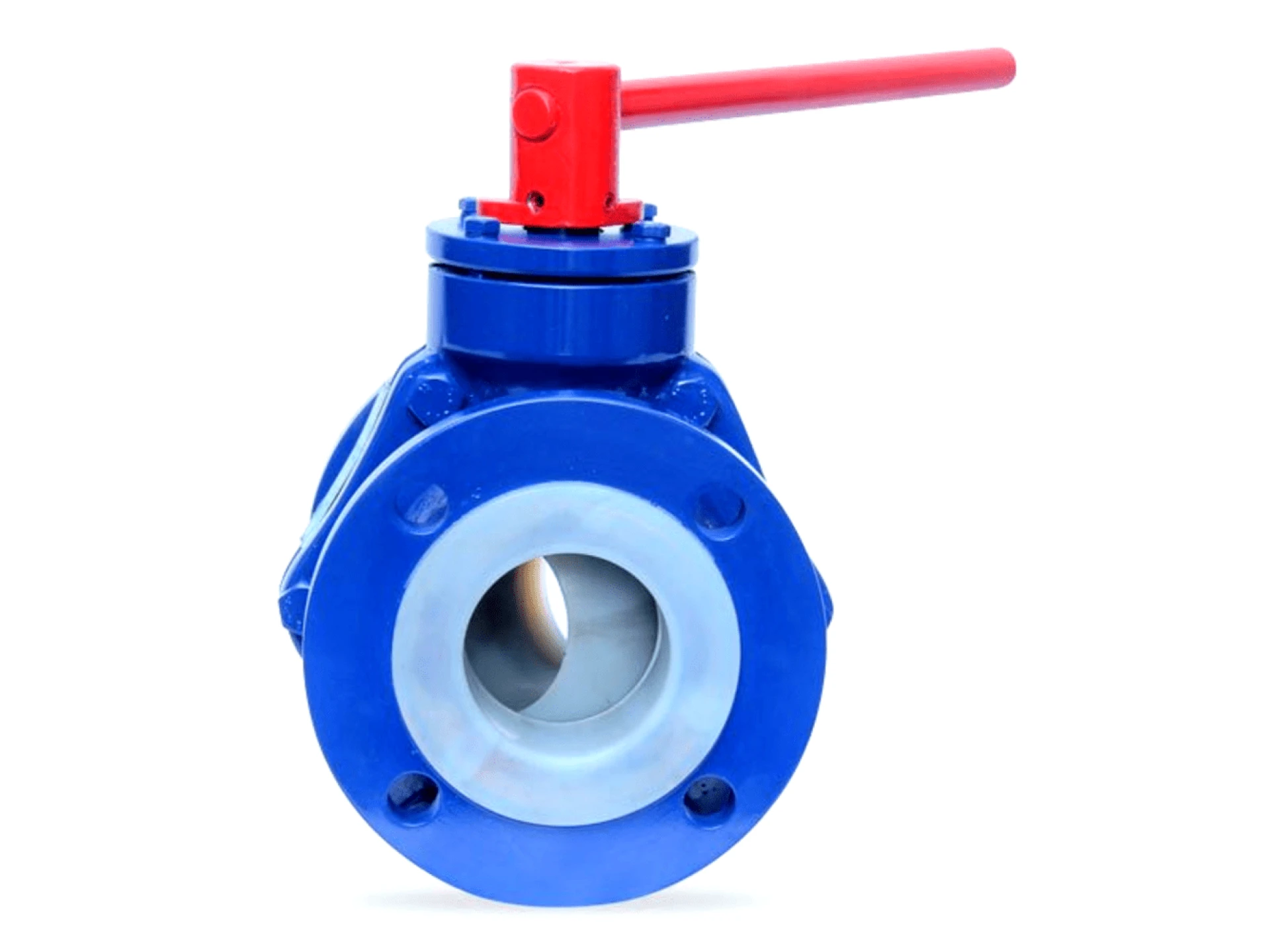

PTFE lined ball valves are known for their durability and resistance to harsh chemicals and extreme temperatures, making them an excellent choice for demanding industrial applications. However, like any piece of equipment, regular maintenance is essential to ensure they continue to perform at their best. Proper care and attention can significantly extend the life of your PTFE lined ball valve, helping you avoid costly repairs and replacements. Here are some maintenance tips that will help keep your PTFE lined ball valves in optimal condition for years to come.
1. Regular Inspection for Leaks and Wear
One of the most important steps in maintaining PTFE lined ball valves is regular inspection. Check the valve for any signs of leaks, which could indicate that the sealing elements are worn or damaged. While PTFE lined ball valves are designed to prevent corrosion, wear from continuous use can still cause leaks. Inspect the valve’s seals and lining for any cracks, tears, or abrasions that might compromise their effectiveness. Early detection of leaks can prevent further damage and reduce the risk of costly downtime.
2. Clean the Valve Periodically
Keeping the valve clean is another crucial aspect of maintenance. Over time, dirt, debris, or chemicals can accumulate on the valve’s surfaces, potentially affecting its performance. To prevent buildup, clean the exterior of the PTFE lined ball valve regularly using a soft cloth or sponge. For the internal parts, flush the valve with a compatible cleaning solution to remove any residue or buildup that might hinder its operation. However, make sure the cleaning agents used are suitable for PTFE materials to avoid damaging the lining.
3. Lubricate Moving Parts
Lubricating the moving parts of the valve, such as the ball and stem, helps maintain smooth operation and reduces wear. Choose a lubricant that is compatible with PTFE to ensure it does not affect the valve’s performance or chemical resistance. Proper lubrication helps minimize friction, reduces the chances of seizing, and allows the valve to operate with ease, even under high-pressure conditions. Be sure to check the lubrication regularly, especially after heavy use or exposure to extreme temperatures.
4. Avoid Over-Tightening
While it’s important to ensure the valve components are securely tightened, over-tightening can cause damage to the PTFE lining and other critical parts of the valve. Over-tightened bolts and fasteners can put unnecessary pressure on the valve body, which could lead to cracking or deformation of the PTFE lining. Always follow the manufacturer’s guidelines for the recommended torque values when tightening the valve parts to prevent damage.
5. Monitor Temperature and Pressure
Since PTFE lined ball valves are designed to handle a wide range of temperatures and pressures, it’s still important to monitor these factors regularly. Exposing the valve to extreme or fluctuating conditions beyond its specified limits can lead to premature wear or failure. Make sure that the operating conditions stay within the recommended range for the valve’s material and design. Use pressure relief valves or temperature regulators to avoid exceeding the valve’s tolerances.
6. Address Any Issues Immediately
If you notice any unusual noises, leaks, or performance issues, address them as soon as possible. Delaying repairs or maintenance can lead to more serious damage and a shorter lifespan for the valve. A simple issue like a loose bolt or small leak can become a major problem if left unchecked. Regularly monitoring the valve’s performance and promptly addressing any issues will help maintain its functionality and prevent unexpected breakdowns.
7. Store Properly When Not in Use
If a PTFE lined ball valve is not in use for an extended period, proper storage is essential to protect it from environmental damage. Store the valve in a dry, cool area away from direct sunlight, extreme temperatures, or corrosive substances. Avoid exposing the valve to chemicals or moisture that might damage the PTFE lining. Proper storage ensures that the valve remains in good condition and is ready for use when needed.
Conclusion
With proper care and maintenance, PTFE lined ball valves can deliver reliable performance and last for many years, even in demanding environments. Regular inspections, cleaning, lubrication, and careful monitoring of operating conditions are all essential steps in maintaining these valves. By following these maintenance tips, you can extend the life of your PTFE lined ball valve, reduce downtime, and ensure that your industrial processes continue running smoothly without unnecessary interruptions.


























Sign in to leave a comment.