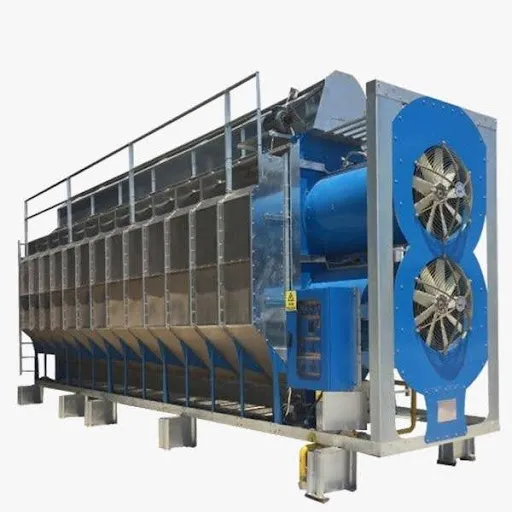

India is one of the world’s leading agricultural economies, with maize (corn) playing a vital role in food processing, animal feed, starch production, and biofuel industries. As maize cultivation continues to expand across the country, the need for efficient post-harvest management has become increasingly important. Among the various post-harvest technologies, maize dryers have emerged as a critical solution, and India has steadily positioned itself as a key exporter of maize drying equipment to global markets.
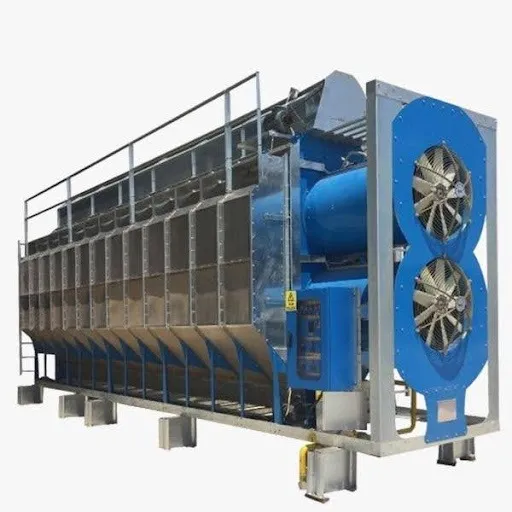
Understanding the Importance of Maize Drying
Freshly harvested maize typically contains high moisture levels, often ranging between 25% and 35%. For safe storage and long-term usability, this moisture must be reduced to around 14% or lower. Without proper drying, maize is highly susceptible to fungal growth, spoilage, and contamination such as aflatoxins, which can significantly reduce its market value and usability.
Traditional sun drying methods, widely used in rural areas, are often unreliable due to unpredictable weather conditions, especially during monsoon seasons. Additionally, these methods are time-consuming and can result in uneven drying and contamination. This gap has led to the growing demand for advanced maize drying systems that ensure consistency, speed, and quality.
Role of Maize Dryer Exporters in India
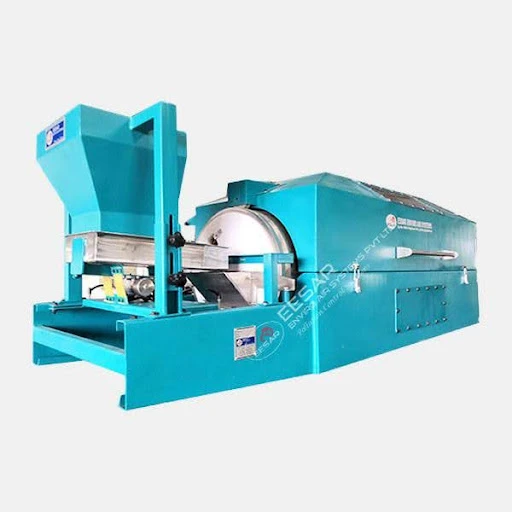
Indian exporters of maize dryers play a crucial role in bridging the gap between agricultural production and efficient processing. Leveraging strong engineering expertise and cost-effective manufacturing capabilities, India has become a preferred destination for high-quality yet affordable maize drying solutions. ()
These exporters cater to a wide range of international markets, including developing countries where agriculture forms the backbone of the economy. By supplying advanced drying systems, Indian exporters contribute to reducing post-harvest losses and improving food security across regions.
Technological Advancements in Maize Dryers
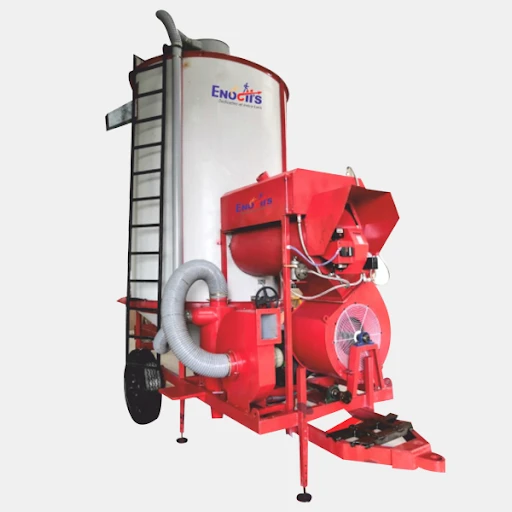
Modern maize dryers exported from India are equipped with advanced features that enhance efficiency and performance. Most systems operate on the principle of hot air convection, where heated air is circulated through the grain to remove moisture effectively. ()
Key technological features include:
- Automated operations for minimal human intervention
- Energy-efficient designs using biomass, gas, or electricity
- Continuous drying systems for large-scale processing
- Temperature control mechanisms to preserve grain quality
These innovations not only reduce drying time but also ensure uniform moisture removal, which is essential for maintaining the nutritional and physical quality of maize.
Benefits of Choosing Indian Exporters
There are several reasons why international buyers prefer maize dryer exporters from India:
- Cost-Effectiveness
Indian manufacturers offer competitive pricing without compromising on quality, making them attractive for buyers with budget constraints. - Customization Options
Exporters provide tailored solutions based on capacity requirements, fuel availability, and operational needs. - Global Standards Compliance
Many Indian exporters adhere to international quality and safety standards, ensuring reliable performance in diverse climatic conditions. - After-Sales Support
Comprehensive technical support, installation guidance, and maintenance services enhance customer satisfaction and long-term usability.
Applications Across Industries
Maize dryers are not limited to farming alone; they are widely used across multiple industries. These include:
- Food processing units
- Animal and poultry feed production
- Starch and ethanol manufacturing
- Warehousing and grain storage facilities
By ensuring proper drying, these industries can maintain product quality, reduce waste, and achieve better economic returns.
Challenges and Opportunities
Despite the growth of maize dryer exports, the industry faces certain challenges. These include fluctuating raw material costs, competition from global manufacturers, and the need for continuous technological upgrades. Additionally, awareness about advanced drying technologies is still limited in some regions.
However, these challenges also present opportunities. With increasing global demand for food security solutions and sustainable agricultural practices, Indian exporters are well-positioned to expand their footprint. The integration of renewable energy sources, such as solar-powered dryers, is another promising avenue that aligns with global sustainability goals.
Future Outlook
The future of maize dryer exporters in India looks promising. As agricultural production intensifies and global trade expands, the demand for efficient post-harvest technologies will continue to rise. Innovations in automation, energy efficiency, and smart monitoring systems are expected to shape the next generation of maize dryers.
Furthermore, government initiatives promoting agricultural exports and manufacturing excellence are likely to provide additional momentum to the industry. With the right mix of technology, quality, and affordability, Indian exporters are set to play a significant role in transforming global maize processing practices.
Conclusion
Maize dryer exporters in India are contributing significantly to modernizing agricultural practices both domestically and internationally. By addressing critical post-harvest challenges, they help reduce losses, improve quality, and enhance profitability for farmers and industries alike. As technology continues to evolve, India’s position as a global hub for maize drying solutions is expected to strengthen further, making it an essential player in the global agricultural value chain.



























Sign in to leave a comment.