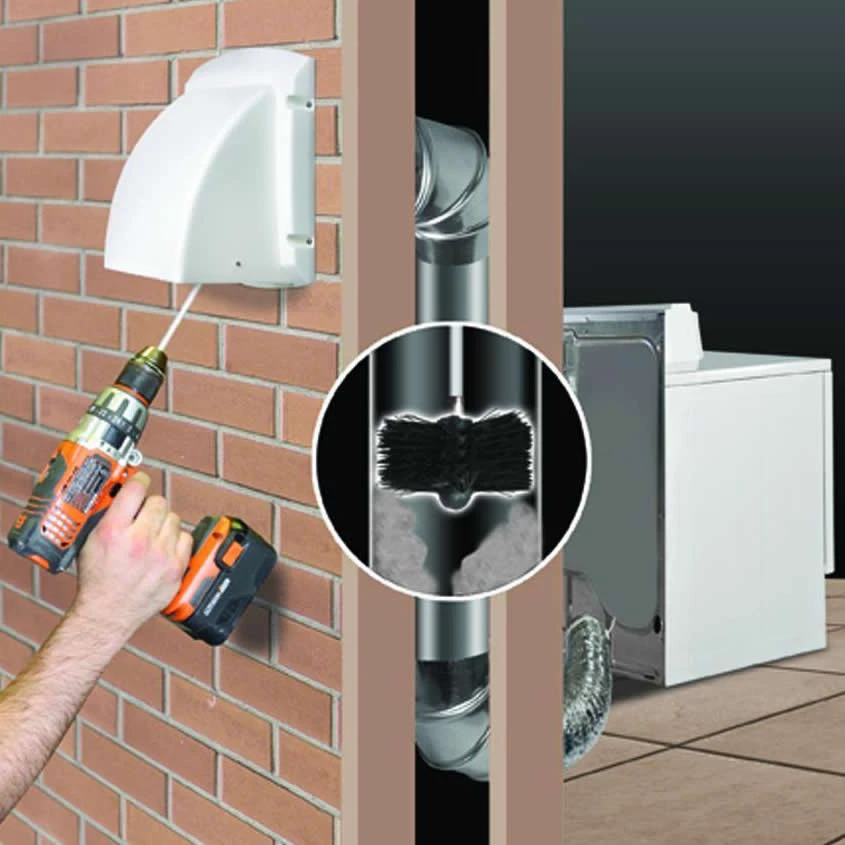

Choosing the right dryer vent cover for your dryer system is important to your dryer’s efficiency, utility bills and safety of your house and family. Replacing or installing a new dryer vent cover isn’t as straightforward as it seems. There are different types of dryer vents to choose from that solve a variety of different problems.
As a homeowner you need to identify and understand the difference between the various types of vent covers on the market and choose the best one for your dryer vent. If you choose the wrong type of vent cover for your interior or exterior it can become a fire hazard, overheat your dryer, allow animals and insects in, restrict air flow and allow cold air in your laundry room.
Dryer vents work by removing that heat from your dryer through flame retardant ducting that exhausts to the exterior or interior of your home. Some vents have flaps and guards that keep out birds, mice and insects. Many exhaust vents with pest guards on the market are serious fire risks if you do not clean the lint properly after each load.
When picking the right dryer vent cover you need to determine if you need a vent cover for indoor or outdoor, where your dryer vent terminates on the exterior, material the dryer vent is made of, size of ducting, safety, and ease of installation.
Dryer vents should always exhaust to the exterior of your home. Having an outside dryer vent is the safest and most efficient way to remove the heat and lint that your dryer produces. Outdoor dryer vents attach to the outer walls of your home and connect to your dryer ducting that runs in between your walls. They are typically located on the side of the house or on the roof.
Your drying appliance creates heat to dry your clothing and the damp air needs to be vented properly through the transition hose that connects the dryer, the ducting in the walls and finally the outside dryer vent cap. Depending on where your dryer vents are located on the exterior of your home is a factor when choosing a dryer vent cover replacement.
Unfortunately, some builders overlook the design of the house and forget to route the clothes dryer vent ducting. Therefore, you are left to exhaust the lint and heat inside your home. This type of indoor venting is extremely discouraged. When you have an indoor dryer vent, you must take the time to maintain it regularly to avoid moisture damage and lint escaping that could become flammable.
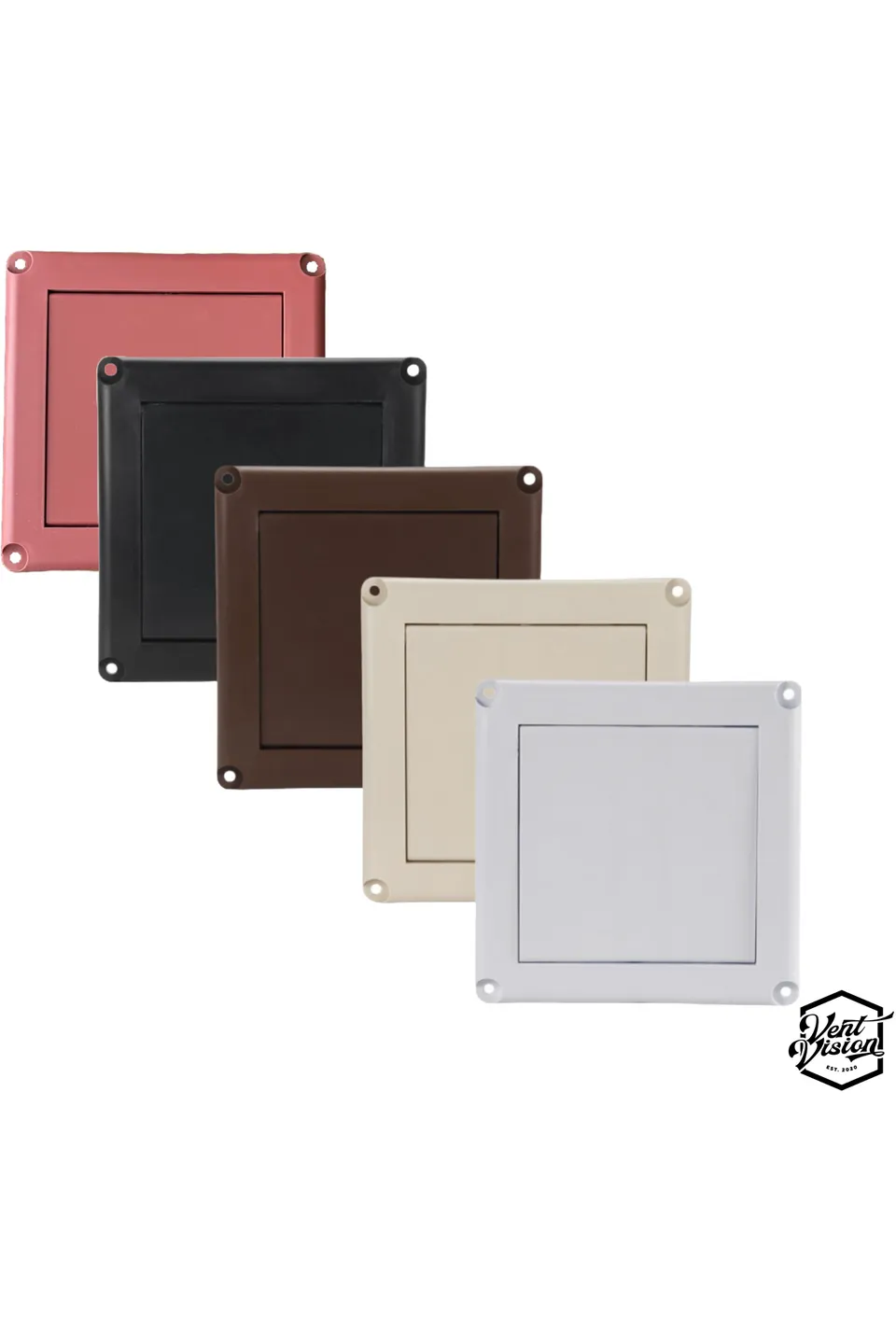
Plastic dryer vent covers are not recommended if you are looking for a durbale dryer vent cover. When there is excessive sun exposure, plastic dryer vents do not fare very well. They will become dried out, brittle and crack resulting in a dryer vent hood that is exposed to the outdoor elements. Ensure the proper release of dryer air and excess lint with Dryer Vent Covers.



























Sign in to leave a comment.