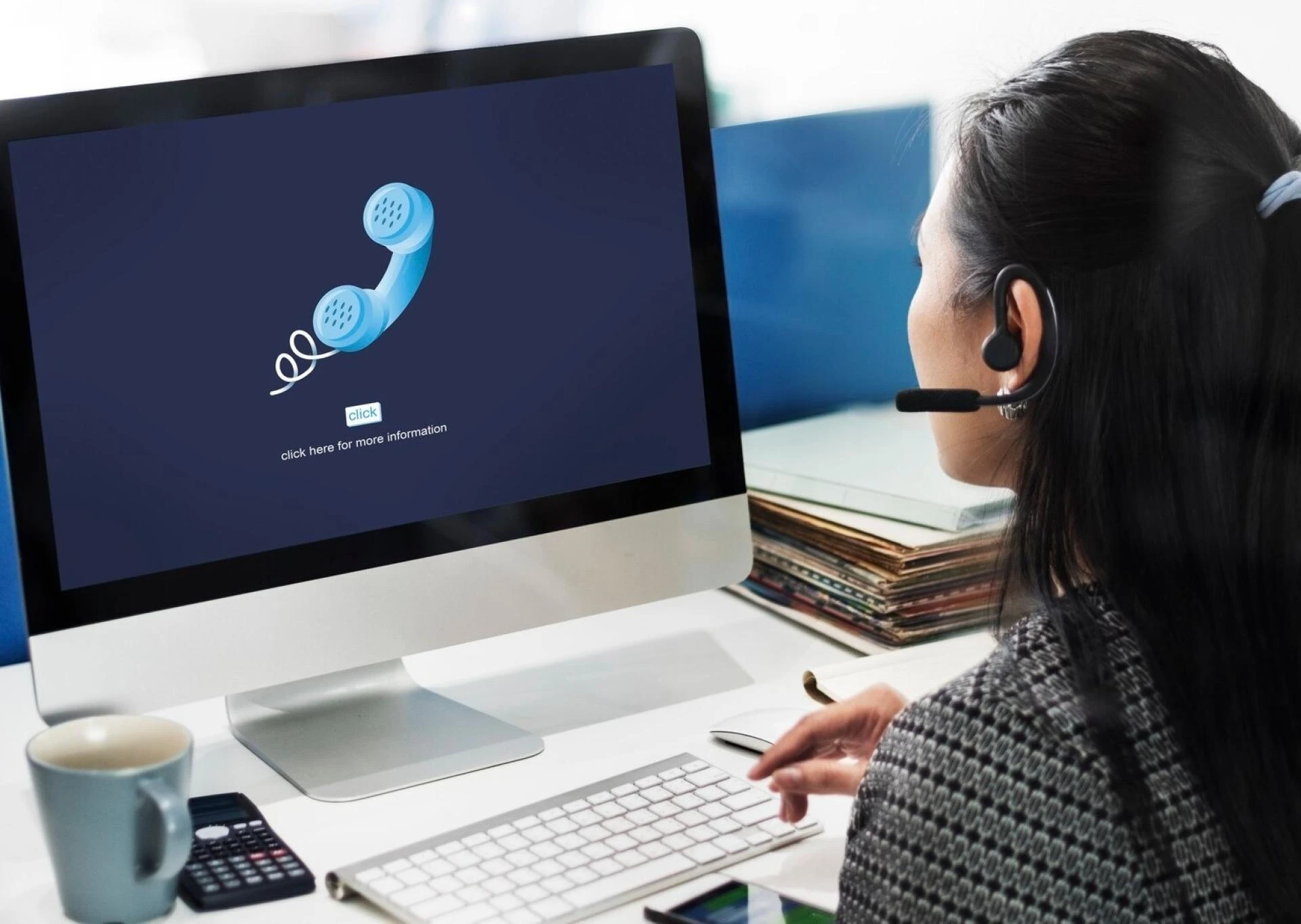

Sound familiar? You're not alone. Growing businesses face this challenge every single day, and it's costing them more than just peace of mind it's costing them real opportunities.
This is where IVR voice response technology comes into play. But before you picture those frustrating "press 1 for this, press 2 for that" nightmares, let me tell you something: modern systems have evolved significantly. They're smarter, friendlier, and genuinely helpful for businesses looking to grow without compromising on customer service.
Understanding IVR Voice Response : The Basics
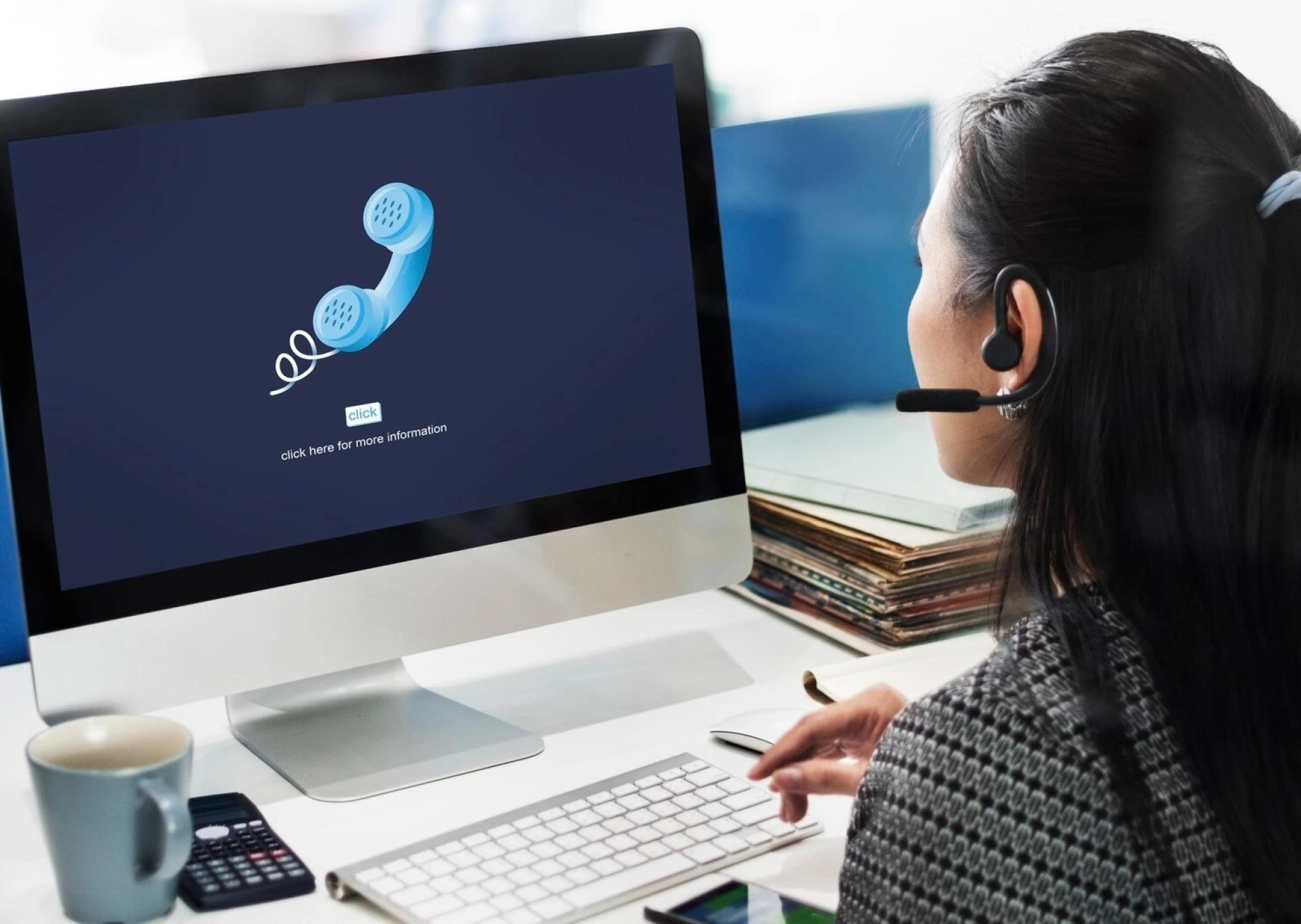
Let's start with the fundamentals. IVR stands for Interactive Voice Response essentially an automated phone system that interacts with callers through voice prompts and keypad inputs. Think of it as your business's first point of contact, a digital receptionist that's available 24/7, never takes a lunch break, and can handle multiple calls at once.
When someone dials your business number, an IVR voice response system greets them with a menu of options. They might press 1 to reach sales, 2 for customer support, or 3 to hear your business hours. The system then routes calls to the appropriate department, provides information automatically, or processes simple transactions without requiring human intervention.
What makes modern systems different is their sophistication. Today's technology incorporates natural language processing, which means callers can actually speak their requests instead of fumbling with buttons. When designed thoughtfully, these systems enhance the customer experience rather than creating frustration.
Why Growing Businesses Should Consider IVR
When you're running a growing business, every phone call represents potential revenue. Whether it's a first-time customer inquiring about your services or an existing client needing support, missing that call or providing a poor phone experience can significantly impact your bottom line.
Here's a sobering statistic: approximately 80% of callers who reach voicemail won't leave a message. Instead, they'll simply move on to your competitor. An IVR voice response system ensures that every caller receives immediate attention, even if it's just acknowledgment of their call with clear expectations about response times.
For small to medium-sized businesses, hiring additional staff to manage phone volume isn't always practical or cost-effective. A well-implemented system provides professional call handling at a fraction of the cost of hiring a full-time receptionist. It scales naturally with your business, handling five calls or fifty with consistent efficiency.
Beyond the obvious cost savings, there's another benefit worth mentioning: credibility. When customers call and encounter a professional, organized phone system, it signals that you're an established, legitimate operation even if you're actually a three-person startup working from a shared office space.
Real-World Applications That Make Sense
Let's talk about how real businesses are actually using this technology to solve everyday problems.
Medical practices have found tremendous value in allowing patients to check appointment times, request prescription refills, or access urgent care information after hours. This approach significantly reduces administrative workload while ensuring patients can get the information they need when they need it.
E-commerce businesses use these systems to provide order status updates, process returns, and answer common questions about shipping policies all without pulling customer service representatives away from more complex issues.
Service-based businesses like plumbers, electricians, or HVAC companies have discovered that IVR voice response helps them prioritize emergency calls while efficiently managing routine appointment requests. This ensures urgent situations receive immediate attention while setting appropriate expectations for non-emergency work.
Even restaurants are getting in on the action, using automated systems for reservation management, providing directions, sharing daily specials, and handling basic takeout orders during peak hours when staff members are focused on serving in-house guests.
The common thread? Customization. Your system should reflect how your business actually operates, not force your customers through unnecessary hoops to reach the help they need.
Features That Separate Good Systems from Great Ones
Not all automated phone systems are created equal. Here's what distinguishes helpful technology from the kind that makes customers want to throw their phones across the room.
Smart call routing is foundational. Your system should intelligently direct calls based on caller input, time of day, or even caller ID recognition for VIP customers. Nobody should end up trapped in an endless menu loop with no clear path forward.
Multilingual support matters more than many business owners realize. If you serve diverse communities, offering menu options in multiple languages isn't just a nice touch it's essential for accessibility and genuine inclusion.
Integration with your customer relationship management software transforms a simple phone system into a powerful business tool. When your technology can recognize returning customers, pull up their account history, and route VIP clients directly to senior team members, you're creating a personalized experience that builds loyalty.
Queue management with callback options shows respect for your customers' time. Instead of forcing people to wait on hold listening to generic music, modern systems can offer to call them back when it's their turn, letting them continue with their day without phone anxiety.
Analytics and reporting capabilities help you understand call patterns, identify peak times, recognize common inquiries, and spot where callers are getting stuck in your menu. This data becomes invaluable for optimizing both your phone system and your overall customer service strategy.
Mobile accessibility ensures your team can manage the system from anywhere. Whether you're working remotely or on-site, you should be able to adjust call flows, check messages, and monitor activity from your smartphone.
Choosing the Right Solution for Your Business Stage
Here's where many growing businesses get stuck: there are dozens of providers out there, each claiming to be the best. The truth is simpler than you might think the best system is the one that fits your specific needs, budget, and growth trajectory.
For startups and solopreneurs, simple cloud-based solutions offer basic features without complex setup requirements. These systems typically cost between $25 and $50 per month and provide professional greetings, call routing, and voicemail transcription enough to punch above your weight class without straining your budget.
Small businesses with growing teams might benefit from mid-tier platforms that provide more sophisticated features including team collaboration tools, video conferencing, and advanced call analytics. These solutions usually range from $20 to $35 per user per month and scale smoothly as you add team members.
Established businesses with complex needs can explore enterprise solutions offering extensive customization, AI-powered features, omnichannel support, and robust integrations. These systems require larger investments but deliver enterprise-grade reliability and capabilities.
Your decision shouldn't be based solely on features or price tags. Consider your growth plans, technical capabilities, and how much time you can realistically dedicate to system management. Some businesses need plug-and-play simplicity, while others benefit from customizable complexity.
Designing Menus That Actually Help People
This is crucial: even the most advanced IVR voice response technology falls flat if your menu design frustrates callers. Here are some practical principles for creating menus that genuinely help people reach their goals.
Keep things simple. Limit your main menu to three to five options maximum. If you absolutely need more options, create sub-menus, but always provide an easy path back to the main menu or directly to a live person.
Lead with value by making your first option address what most callers actually want. If 70% of your calls are about order status, make that option one. Don't bury your most common inquiry under option four just because it seems logical from an organizational chart perspective.
Always offer a zero-out option. Let callers press 0 to reach a human operator at any point in the call flow. Some people simply prefer speaking with a person, and fighting that preference only creates unnecessary frustration.
Provide context upfront in your menu descriptions. Instead of just saying "Press 1 for sales," try "Press 1 for sales and new customer inquiries." Clear, descriptive labels reduce confusion and minimize misrouted calls.
Update your menu regularly as your business evolves. What made sense six months ago might not reflect your current operations. Review call analytics quarterly to identify bottlenecks or outdated menu options that need refreshing.
Test from the customer perspective by calling your own number regularly. Better yet, ask friends or family members to call and provide honest feedback. Fresh ears often catch confusing wording or unnecessary steps that you've become blind to.
Common Pitfalls and How to Avoid Them
Even with the best intentions, businesses make predictable mistakes when implementing automated phone systems. Here's how to sidestep the most common ones.
Menu overload kills the user experience before it even begins. If your greeting takes 60 seconds to list all available options, you've already lost a significant portion of your callers. Remember: simple and efficient beats comprehensive and exhausting every single time.
Poor audio quality undermines professionalism instantly. Invest in professional voice recording or high-quality text-to-speech technology. Nothing communicates "we don't really care" quite like a muffled greeting recorded on a smartphone in a noisy office environment.
Creating systems with no clear escape route generates genuine caller frustration. Always provide obvious paths to human assistance. If someone has been navigating your system for more than two minutes without reaching their goal, that's a design problem, not a caller problem.
Ignoring the needs of mobile callers represents a critical oversight in today's world. Many people call while driving, walking, or multitasking. Voice recognition options and simple numerical menus work far better than complex inputs for mobile users.
Setting unrealistic expectations breaks trust quickly. If your system promises a callback within two hours but actually takes eight, you've created a bigger problem than having no automated system at all.
Making Your System Work with Existing Tools
An IVR voice response system shouldn't exist in isolation from your other business tools. The real power emerges when you connect it with existing systems to create seamless workflows.
Customer relationship management integration allows your phone system to recognize returning customers, pull up their account information instantly, and provide personalized service from the first moment of contact. When a caller hears "Welcome back, Sarah. I see you're calling about your order from last Tuesday," that's technology working intelligently, not just mechanically.
Help desk software connections automatically create support tickets from incoming calls, log all interactions properly, and ensure nothing slips through the cracks. This proves particularly valuable for businesses managing high support volumes across multiple channels.
Calendar synchronization enables callers to schedule appointments directly through the phone system without any staff intervention. This works beautifully for medical practices, salons, consulting firms, and any appointment-based business model.
Payment processing integration allows callers to make payments, check account balances, or process simple transactions through secure voice commands or keypad input, reducing administrative workload while providing convenient service options.
Team messaging platform integration sends alerts about urgent calls, important voicemails, or missed connections in real-time through tools like Slack or Microsoft Teams, ensuring quick responses even when staff members are away from their desks.
Measuring What Actually Matters
You can't improve what you don't measure. Here are the metrics that truly tell you whether your system is helping or hindering your business operations.
Call abandonment rate reveals how many callers hang up before reaching their intended destination. High abandonment rates suggest problems with menu design, excessive wait times, or confusing navigation that needs immediate attention.
Average call duration indicates overall efficiency. If calls are taking longer after implementing your new system, something's definitely wrong with your call flow design and needs investigation.
First call resolution rate measures how often caller needs are met without requiring callbacks or escalation. Higher resolution rates mean your system is routing calls correctly and empowering callers with effective self-service options.
Customer satisfaction scores provide direct feedback from the people who matter most. Simple post-call surveys asking "How satisfied were you with today's call experience?" deliver invaluable insights into real user experience that analytics alone can't capture.
Menu path analysis shows where callers are going, where they're getting stuck, and which options go essentially unused. This data drives informed optimization decisions rather than guesswork.
Cost per call compares your current investment against previous phone handling costs. The return on investment should be clearly visible through fewer dropped calls, reduced staffing needs, and better overall resource allocation.

Looking Ahead: Where This Technology Is Heading
IVR voice response technology continues evolving rapidly. Understanding upcoming trends helps you make investment decisions that won't feel outdated within a year or two.
Conversational artificial intelligence is gradually replacing rigid menu trees with natural dialogue. Instead of pressing buttons, callers simply state their needs in plain language: "I need to change my appointment" or "What are your holiday hours?" The system understands intent and responds accordingly.
Sentiment analysis detects caller frustration through voice tone and word choice, automatically escalating upset customers to experienced staff members before situations deteriorate further.
Omnichannel continuity means your phone experience connects seamlessly with chat, email, and social media interactions. Customers can start a conversation on the phone and continue it via text message without repeating all their information.
Predictive routing uses machine learning to match callers with the most suitable team member based on issue type, caller history, and agent expertise, improving both resolution rates and satisfaction scores.
Voice biometrics will eventually replace passwords and security questions with voiceprint recognition, making authentication faster and more secure for routine account access.
These aren't science fiction concepts; they're available today in many mid-tier platforms. As technology becomes more accessible, even small businesses will benefit from these advanced capabilities.
Your Implementation Roadmap
Ready to move forward but not sure where to start? Here's a practical, step-by-step approach that won't overwhelm your team.
Start by analysing your current call patterns before shopping for any systems. Track call volume, identify peak times, document common enquiries, and understand where your team spends most of their phone time. This data informs every decision that follows.
Define your must-have features based on actual business needs rather than vendor marketing materials. Do you genuinely need multilingual support? After-hours handling? Do you require integration with the customer's database? Appointment scheduling? Your must-have list prevents feature bloat and budget creep.
Trial before you commit to anything. Most providers offer free trials or demonstrations. Test multiple platforms with your actual team members who'll use the system daily. Pay attention to ease of use, sound quality, and whether the interface makes intuitive sense.
Start simple, then iterate based on real usage data. Launch with a basic menu structure maybe just three options and a path to reach a human. Gather feedback for a month, analyse what's working and what isn't, then expand thoughtfully. This prevents the "boil the ocean" approach that often leads to overcomplicated systems nobody likes using.
Train your entire team so everyone understands how the system works, what options callers hear, and how to manage various features. This prevents confusion when customers mention "pressing 3 for technical support" to a team member who didn't even know that option existed.
Communicate the change to existing customers through email newsletters, social media updates, or website announcements. Set clear expectations so their first experience with your new system isn't jarring or confusing.
Monitor obsessively during the first few weeks. Check analytics daily, listen to recorded calls if available, and actively solicit feedback from both staff and customers. Early adjustments prevent long-term problems from becoming deeply embedded.
Real Stories from Real Businesses
Sometimes the best way to understand potential value is hearing from businesses that have actually walked this path.
A regional accounting firm with twelve employees was drowning in phone calls during tax season. Partners found themselves answering basic questions about office hours and document requirements instead of serving clients who needed their expertise. After implementing a straightforward system with frequently asked questions and appointment scheduling, they reduced front-desk interruptions by 60% and freed up roughly fifteen hours per week of professional time time they redirected straight into revenue-generating client work.
A boutique e-commerce company selling handmade jewellery struggled with order status enquiries that constantly pulled their small team away from fulfilment and marketing efforts. Their solution integrated directly with their shipping platform, allowing customers to enter order numbers and receive real-time shipping updates without any human intervention. Interestingly, customer satisfaction actually increased because people received instant information instead of waiting hours for email responses.
A twenty-four-hour emergency plumbing service needed a way to differentiate genuine emergencies from routine appointment requests. Their system now prioritises burst pipe and flooding calls directly to on-call plumbers while routing less urgent issues to appointment scheduling. This ensures emergency situations receive immediate attention while managing customer expectations appropriately for non-emergency work.
These businesses didn't install complex enterprise systems or spend months on implementation. They identified specific pain points, chose appropriate solutions, and implemented them thoughtfully. That's the formula that actually works.
Making Your Next Move
Growing a business means making smart decisions about where to invest your limited time, money, and attention. An IVR voice response system isn't just about answering phones more efficiently. its about creating professional experiences that scale naturally with your ambitions.
The businesses that truly thrive aren't necessarily the ones with the biggest marketing budgets or the most innovative products. Often, they are simply the ones that don't drop the ball on basic customer interactions. They answer calls promptly, route enquiries efficiently, and make every contact feel valued and respected.
Modern technology makes this possible without hiring additional staff or forcing your core team to become full-time phone operators. It's professional, surprisingly affordable, and genuinely scalable exactly what growing businesses need.
Here is my challenge to you: call your own business number right now. Experience exactly what your customers experience. Is it professional? Efficient? Helpful? Or is it frustrating , confusing, and outdated?
That five-minute exercise will tell you everything you need to know about whether it's time to upgrade your approach. And if the answer is yes, you now have a clear roadmap for doing it right.
Because in business, every call really does count. Make sure yours are counting in your favour.
Common Questions About IVR Systems
How much should I expect to invest in a phone system?
Costs vary widely based on features and business size. Basic solutions start around $25 to $50 monthly for single users, while comprehensive platforms typically run $20 to $35 per user monthly. Enterprise solutions are priced based on specific needs.
Will customers get frustrated with an automated system?
When designed thoughtfully with simple menus, clear options, and easy access to human operators, automated systems actually improve customer satisfaction by providing faster service and reducing wait times.
Can small businesses really benefit from this technology?
Absolutely. The scalability of modern cloud-based systems makes them practical even for very small businesses. You gain professional call-handling capability without the overhead of hiring reception staff.
How difficult is setup and maintenance?
Today's cloud-based systems are designed for easy setup. Most businesses can launch a basic system within hours rather than days, with ongoing maintenance handled largely through simple web interfaces.
- What if my business needs change?
That's one of the biggest advantages of modern systems; they're highly flexible. You can adjust menus, add features, and scale capacity up or down as your business evolves, typically without additional hardware or complex reconfiguration.



























Sign in to leave a comment.