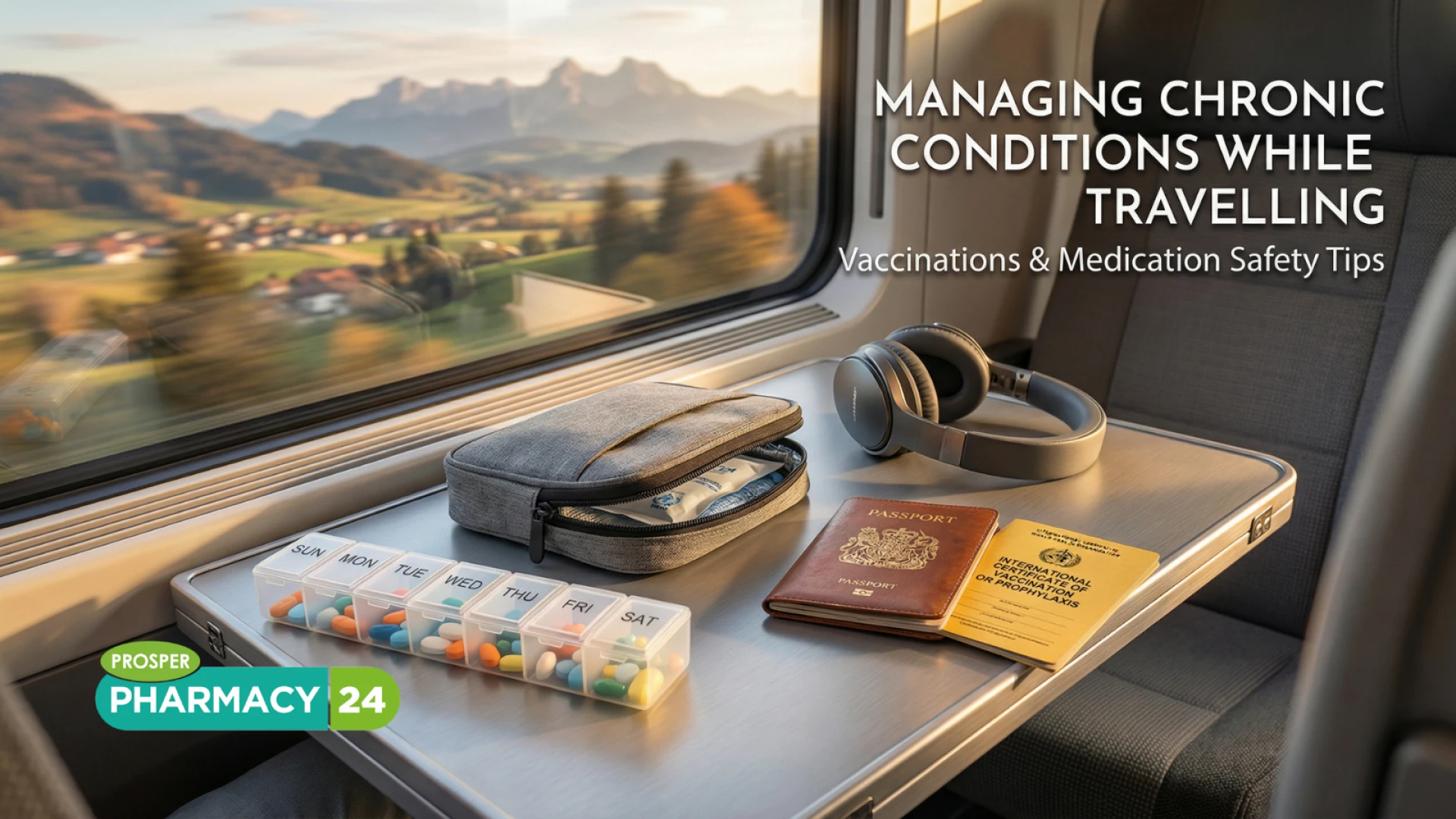

Millions of people living with chronic conditions travel internationally every year - and for most, exploring the world is entirely possible, rewarding, and safe.
But chronic illnesses such as diabetes, heart disease, asthma, autoimmune disorders, kidney disease, or high blood pressure do require travellers to take additional precautions before boarding a flight.
Even a simple vacation can pose health challenges when you're already managing a long-term condition. Jet lag can disrupt medication schedules. Hot climates can worsen heart or lung symptoms.
Long flights increase the risk of blood clots. New foods can affect glucose levels. And unfamiliar pathogens abroad may cause severe illness if vaccines are missed.
This is why travelling with chronic conditions requires thoughtful planning - and why a proactive approach is essential for reducing risks.
Unlike travellers in perfect health, people with chronic illnesses often have:-
- Weakened immune systems
- Higher infection risk
- Increased sensitivity to dehydration, heat, and altitude
- More frequent medication interactions
- Greater likelihood of medical complications abroad
Travelling amplifies these vulnerabilities, especially when visiting regions with limited healthcare, extreme temperatures, or high disease exposure. But with the right preparation, you can protect yourself from the most common risks and enjoy a safe, comfortable journey.
Essential Travel Vaccines for Travellers With Chronic Conditions
When you’re living with a chronic illness, the risk of becoming seriously sick during international travel is significantly higher. Chronic conditions often weaken the immune system or reduce the body’s ability to recover from infections.
That’s why choosing the right travel vaccines for chronic conditions - and understanding which vaccines require special precautions - is one of the most important steps before you travel.
Vaccines don’t just protect you from disease. They help prevent complications, hospitalization, and emergency medical care abroad - especially important when local healthcare may be limited or costly.
Travelling With a Chronic Condition? Get Expert Vaccine & Medication Safety Guidance at Prosper Pharmacy24.
1. Why Vaccines Are Especially Important for Chronic Illness Travellers
Travellers with conditions like diabetes, COPD, heart disease, kidney disorder, or autoimmune disease face higher risks because:-
- Their immune response is weaker
- Infections last longer and cause more complications
- Recovery is slower
- Many chronic medications can interfere with the immune system
- Some chronic illnesses cause inflammation that worsens infections
- Hospital access abroad is unpredictable or limited
Chronic illness travellers are strongly encouraged to schedule a medical travel consultation early so vaccinations can be timed properly and evaluated for safety.
2. Essential Routine Vaccines for Travellers With Chronic Illness
Regardless of destination, travellers with chronic conditions should keep the following core vaccines up-to-date:-
A. Influenza (Flu Vaccine)
- One of the most critical vaccines for people with:-
- Asthma
- COPD
- Heart disease
- Diabetes
- Weakened immune systems
- Adults over 50
Flu complications are far more severe for chronic illness travellers, especially during long flights and cruise travel.
B. Pneumococcal (Pneumonia) Vaccine
Recommended for:-
- Adults over 65
- People with diabetes
- Lung conditions
- Heart disease
- Autoimmune disorders
- Immunosuppressed patients
This vaccine reduces hospitalization risk from pneumonia, bloodstream infections, and meningitis.
C. COVID-19 Booster
Still important for chronic condition travellers due to higher risk of severe respiratory illness.
D. Tdap Booster (Tetanus, Diphtheria, Pertussis)
Update every 10 years.
Important for travellers with chronic wounds, diabetes, or respiratory conditions.
E. Shingles Vaccine
Recommended for adults 50+.
Travel stress can trigger outbreaks.
3. Destination-Specific Travel Vaccines for Chronic Illness
Depending on where you’re travelling, additional vaccines may be needed to prevent severe illness.
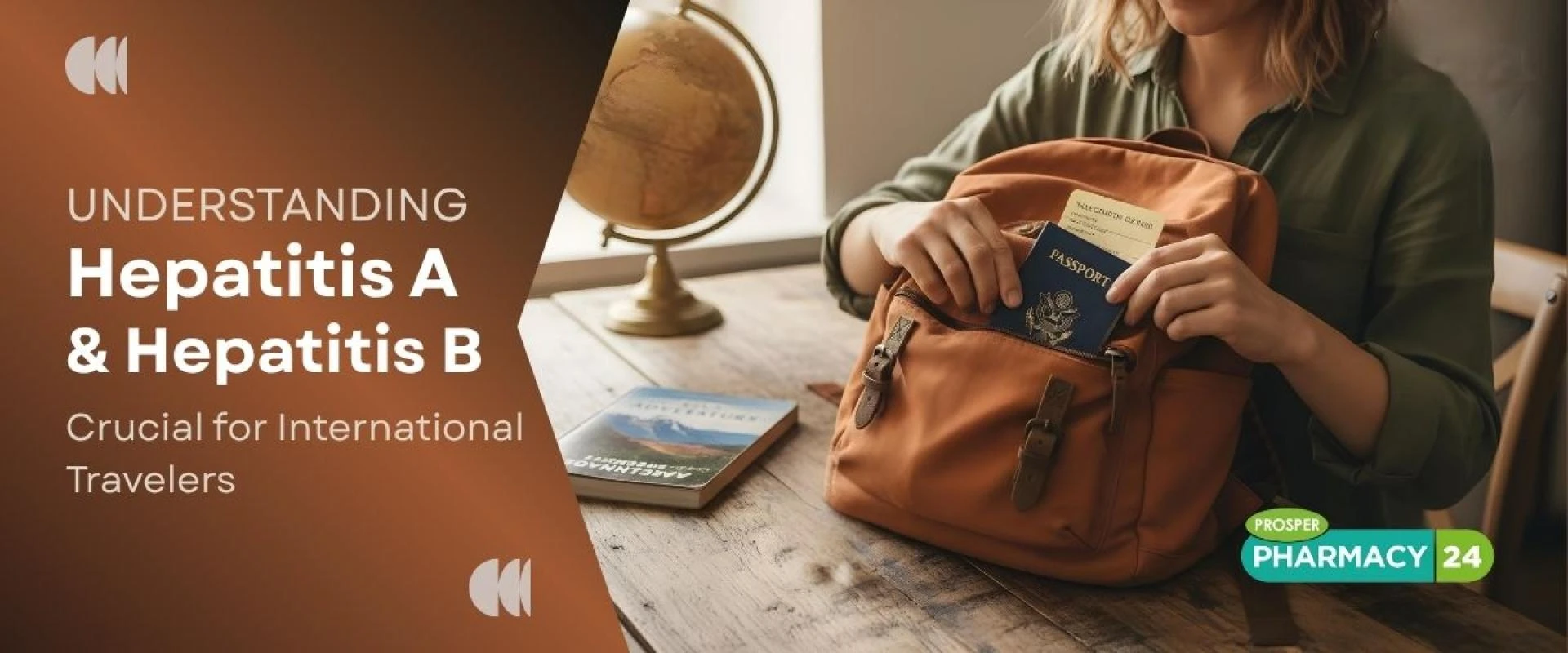
A. Hepatitis A
High-risk for travellers with:-
- Diabetes
- Liver problems
- Kidney disease
Spread through contaminated food or water in Asia, Africa, and Latin America.
B. Hepatitis B
Essential for:-
- Long stays
- Cruises
- Medical tourism
- Humanitarian work
- Travellers with chronic medical conditions
People with chronic illness are more likely to experience serious complications from Hepatitis B.
C. Typhoid (Injectable or Oral)
Recommended for high-risk destinations such as:-
- India
- Nepal
- Vietnam
- Philippines
- Latin America
Typhoid is especially dangerous for travellers with weakened immune systems.
D. Yellow Fever Vaccine
Required for travel to parts of Africa and South America.
Important Caution:-
Travellers with autoimmune diseases, severe allergies, or immunosuppression may not be eligible for this live vaccine. A travel doctor must review risks carefully.
E. Japanese Encephalitis (JE)
Recommended for:-
- Rural travel in Southeast Asia
- Long-term outdoor stays
- Adventure travellers
Travellers with chronic illnesses may face more severe complications from JE.
F. Meningococcal Vaccine
Recommended for:-
- Hajj & Umrah
- Africa’s meningitis belt
- Some group travel scenarios
Vaccinations for Travellers With Medical Conditions
4. When Vaccines May Be Contraindicated for Chronic Illness Travellers
Some chronic conditions make you ineligible for certain vaccines - especially live vaccines.
Avoid or carefully evaluate:-
- Yellow fever (in seniors, immunosuppressed patients, autoimmune disorders)
- MMR booster (if severely immunocompromised)
- Varicella vaccine (immune system suppression)
A medical travel consultation is essential to assess eligibility and offer alternatives, such as vaccine exemptions or modified itineraries.
Stay Safe on Your Trip - Book a Travel Vaccination & Medication Review for Chronic Conditions Today
Medication Safety Tips for Travellers With Chronic Conditions
For travellers managing chronic illnesses, medications are just as important as passports. Missing doses, losing prescriptions, or storing medications incorrectly during travel can quickly lead to serious health complications.
This is why medication safety for travellers is one of the most essential aspects of pre-travel planning - especially for those living with diabetes, heart disease, asthma, autoimmune disorders, or kidney conditions.
1. Packing Medications Safely and Legally
Proper packing prevents loss, theft, damage, and customs issues.
A. Bring 1.5–2× More Medication Than You Need
Unexpected delays, lost luggage, cancelled flights, and long layovers happen.
Chronic travellers should never rely on buying medication abroad - formulations, strengths, and brands differ worldwide.
B. Keep All Medications in Original Pharmacy Packaging
This prevents problems with:- Border officers, Airport security, Foreign medical staff, Controlled-substance regulations
Original labels also help doctors abroad identify your medication clearly.
C. Carry Medications in Your Hand Luggage
Never pack important meds in checked luggage.
Lost luggage = lost medication = medical emergency.
Hand luggage protects meds from:- Heat, Pressure changes, Mishandling
D. Carry a Physician Letter & Medication List
Your list should include:- Drug names, Dosage & frequency, Medical conditions, Prescribing doctor, Emergency contact
This is especially crucial if you are travelling with chronic conditions involving injectable meds, inhalers, or controlled substances.
2. Safe Storage of Medications While Travelling
Many chronic-condition medications are sensitive to heat, humidity, and temperature changes - which are common during international travel.
A. Heat-Sensitive Medications
Medications that are easily damaged by heat include:- Insulin, Biologics (e.g., Humira), Thyroid medication, Some cardiovascular medications, Certain eye drops
Tips:- Use insulated travel cases or cooling pouches, Store medications in climate-controlled areas (avoid car trunks, windows, backpacks under sun), Ask hotels to refrigerate items if needed
B. Airplane Storage Tips
- Medicine should stay with you, not in overhead bins exposed to temperature fluctuations
- Keep insulin and heat-sensitive meds under the seat
- Avoid direct placement next to airplane heaters
C. Humidity Protection
Use airtight pouches or desiccant packs to protect:- Tablets, Blood pressure meds, Diuretics,
Steroids
Humidity can alter medication potency quickly.
Need Help Managing Medications While Travelling? Consult Our Pharmacists in Surrey Before You Leave
3. Managing Medication Schedules Across Time Zones
Time zone changes are one of the biggest challenges for chronic illness travellers.
A. Diabetes
Insulin timing must be adjusted carefully when crossing multiple time zones.
A doctor or pharmacist can help you modify morning/evening doses safely.
B. Heart Disease & Blood Pressure
Medication timing is critical to maintain stable blood pressure and heart rhythm.
Seniors are especially vulnerable to fluctuations during long flights.
C. Steroids, Immunosuppressants, and Biologics
These medications often have strict timing rules.
Skipping or delaying doses can trigger flare-ups or immune issues.
D. Use Medication Apps or Timers
Set alarms to prevent missed doses, especially during long flights or jet lag.
4. Preventing Drug Interactions Abroad
Chronic condition travellers often take 3–10 medications daily. Adding travel prescriptions (like antimalarials) or over-the-counter remedies abroad can cause unexpected interactions.
Common interaction risks include:-
- Antimalarials + heart medications
- Altitude medication + blood pressure drugs
- Antibiotics + blood thinners
- NSAIDs + kidney disease
- Decongestants + hypertension
A medical travel consultation ensures that both your chronic and travel medications work safely together.
5. When to See a Doctor Before Travelling With Medications
Seek a consultation if you:-
- Take more than 3 chronic medications
- Use injectable medications
- Have insulin, inhalers, or biologics requiring temperature control
- Have a pacemaker, oxygen needs, or mobility support
- Are visiting high altitude or hot/humid climates
- Are travelling to regions with limited medical care
This ensures safe planning, correct vaccine timing, and proper medication adjustments.
Travel Safety Tips for People With Chronic Illness
Travelling with chronic conditions is not about avoiding risk entirely - it’s about managing it smartly. The following tips help minimize complications and keep you healthy abroad.
A. Heat, Humidity & Altitude Precautions
Travellers with chronic illness are more vulnerable to environmental stress.
Heat Risks
High temperatures can worsen:- Heart disease, Lung disease, Diabetes, Autoimmune flare-ups
Tips:- Avoid mid-day outdoor activity, Drink water often, Wear light clothing, Take frequent breaks
Altitude Risks
High-altitude destinations (Peru, Nepal, Colorado, northern India) may cause:- Shortness of breath, Worsened COPD, Heart strain, Sleep issues
Consult a doctor if you have respiratory or cardiac conditions.
B. Food & Water Safety
Chronic illness increases the risk of dehydration and severe infection.
Avoid:- Tap water in high-risk areas, Raw or unwashed produce, Unpasteurized foods, Street vendors with poor sanitation
Choose:- Bottled or boiled water, Freshly cooked meals, Sealed beverages
C. Blood Clot Prevention (Long Flights)
Travellers with chronic conditions have a higher risk of DVT (deep vein thrombosis).
Tips:- Walk every 1–2 hours on the plane, Wear compression stockings, Stay hydrated, Avoid alcohol before and during long flights
D. Airline Medical Assistance
Travellers with heart, lung, or mobility issues can request:- Wheelchair support, Extra leg-room seating, Priority boarding, In-flight oxygen (requires documentation)
2. Emergency Medical Preparation for Chronic Illness Travellers
Even well-controlled conditions can flare unexpectedly. Preparing ahead reduces panic and saves time.
A. Create a Personal Medical File
Include:- Diagnosis list, Medication list, Physician letter, Recent test results (if relevant), Allergy information, Emergency contacts
Keep copies digitally and printed.
B. Choose Travel Insurance That Covers Pre-Existing Conditions
Ensure your plan covers:- Emergency hospitalization, Prescription replacement, Air evacuation
Chronic illness complications
Read pre-existing condition clauses carefully.
C. Research Health Facilities at Your Destination
Especially important for:- Dialysis patients, Travellers on biologics, Seniors, Heart or lung disease travellers
FAQ
1. Can you travel internationally with chronic conditions?
Yes - with proper planning. A medical travel consultation helps reduce risks by reviewing vaccines, medications, and travel safety.
2. What vaccines should people with chronic illnesses get before travelling?
Flu, pneumonia, Tdap, Hepatitis A/B, typhoid, and destination-specific vaccines. Some live vaccines (like Yellow fever) may require caution.
3. How do I travel safely with prescription medication?
Bring 1.5–2× the required amount, pack in original containers, carry a doctor’s letter, and keep all medication in your hand luggage.
4. Are travel vaccines safe for people with chronic illnesses?
Most vaccines are safe. However, immunocompromised travellers must avoid certain live vaccines and require a physician’s approval.
5. How do I adjust my medication schedule for time zones?
Ask your doctor or pharmacist to create a safe timing adjustment plan, especially for insulin, blood pressure meds, steroids, and immunosuppressants.
6. What precautions should diabetics take when travelling?
Keep insulin cool, test glucose more frequently in hot climates, carry snacks, and avoid dehydration.
7. What chronic illness symptoms require urgent care abroad?
Chest pain, trouble breathing, severe dehydration, high fever, sudden confusion, uncontrolled blood sugar, or worsening asthma symptoms.
Travelling Soon? Ensure Medication Safety & Proper Vaccination With a No-Wait Consultation in Surrey
Conclusion
Travelling with chronic conditions doesn’t have to be stressful - it just requires thoughtful preparation. By choosing the right vaccines, packing medications safely, adjusting doses for time zones, and preparing for environmental challenges, you can explore the world with confidence.
A personalized medical travel consultation ensures that your vaccines, prescriptions, chronic illness needs, and travel plans align safely. With smart planning, the right precautions, and an understanding of your body’s needs, you can enjoy your trip fully - without unnecessary risk.
Your chronic condition should never be a barrier to seeing the world. It simply means you deserve a travel plan that works with your health, not against it.
Secure Your Health | Book at Prosper Pharmacy24 (Surrey)
Protecting your health before international travel is essential-especially if you have ongoing medical needs, chronic conditions, or are visiting destinations with specific vaccine requirements.
Securing your travel vaccinations and medication review early ensures you are fully prepared, protected, and confident throughout your journey. Whether you’re travelling for leisure, work, or family visits abroad, professional guidance helps reduce health risks and ensures compliance with international entry rules.
At Prosper Pharmacy 24, our experienced pharmacists offer reliable, personalized travel health consultations designed to support your individual needs. From travel vaccinations to medication safety reviews, we help you stay protected every step of the way. With quick appointments, professional care, and two accessible Surrey locations, securing your travel health has never been easier.
📍 Visit Prosper Pharmacy 24 for Trusted Travel Health Services in Surrey
12818 72 Ave Unit#2&3, Surrey, BC V3W 2M9
📞 604-543-6677
🗺️ Google Maps:- https:-//share.google/qh3hpHHyEKEjXHksf
🔗 Book Your Travel Health Appointment:- https:-//prosperpharmacy.ca/book-now/




























Sign in to leave a comment.