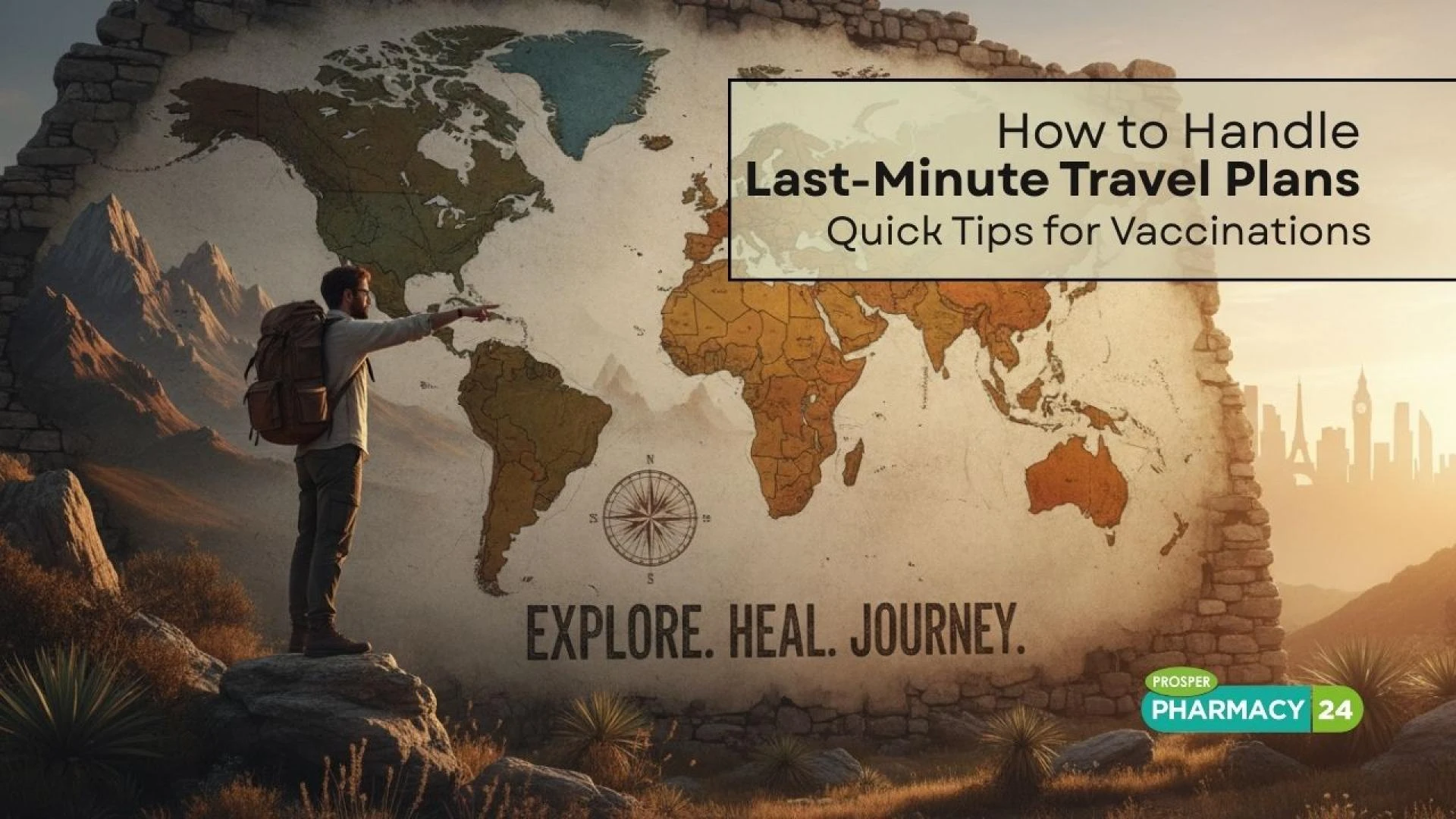

Travel plans can change in a heartbeat. Sometimes you book a flight weeks in advance. Other times you find yourself packing a suitcase for a flight that leaves in 48 hours. When the trip is international, health protection becomes a big concern.
Many travelers panic at this moment. They assume it’s “too late” to get travel vaccinations and that they’re out of options. Fortunately, that’s rarely true.
International destinations can expose you to infections that don’t exist-or are extremely rare-back home. Even if you’re a seasoned flyer, each country has its own set of health risks, immunization rules, and entry requirements.
Some nations won’t even allow you to enter without proof of certain vaccines. Others strongly recommend vaccines to protect you from diseases spread through food, water, insects, or crowded environments.
Last-minute doesn’t mean unprepared. You can still take fast, smart, science-based steps to protect yourself. Many vaccines start offering protection quickly. Some require only a single dose.
And even partial immunity can significantly reduce your risk during travel. The key is knowing which vaccines matter most, how quickly they work, and what to prioritize when time is tight.
Understanding why vaccinations are essential also helps you make better decisions under pressure. Airports, long layovers, international crowds, street food, and changing weather all increase the chance of exposure.
And when you cross borders, you’re entering regions with different sanitation standards, different disease prevalence, and different mosquito or animal risks.
Why Vaccination Matters for International Travel
International travel exposes you to health conditions you may not have immunity for. Diseases like yellow fever, typhoid, hepatitis A, and measles still circulate widely in many regions. Some are transmitted through mosquito bites.
Others pass through contaminated food or water. A few can spread easily through air travel crowds. Getting vaccinated helps your body build defense against these threats.
Several countries also enforce strict vaccination requirements. Yellow fever vaccination certificates are mandatory in parts of Africa and South America.
Some countries require proof of polio vaccination for travelers coming from or transiting through affected regions. This applies even for short layovers. Entry can be delayed or denied if documents are missing.
Vaccines don't just protect you-they protect the communities you visit. They reduce your risk of carrying infections across borders. For last-minute travelers, quick action is crucial.
Even vaccines with limited time to develop full immunity still offer meaningful protection. Your aim is to reduce risk as much as possible before departure.
Common Vaccines to Consider for Last-Minute International Travelers
When you’re preparing for a sudden international trip, the first question most travelers ask is:- “Which vaccines do I absolutely need right now?”
Even with limited time, you can still get meaningful protection-especially if you know which vaccines matter most for cross-border travel.
Last-minute travel vaccination choices fall into two clear categories:-
- Routine or baseline vaccinations you should ideally already have.
- Travel-specific vaccines that protect you from regional risks.
Understanding these two groups helps you prioritize quickly and avoid unnecessary scrambling.
Routine (“Baseline”) Vaccinations to Check Before Any International Trip
These vaccines aren’t country-specific. They protect you from illnesses that still appear globally, especially in crowded environments like airports, tourist hubs, and public transportation.
Even if your trip is in two days, checking your routine vaccination status can make a real difference.
1. MMR (Measles, Mumps, Rubella)
Measles outbreaks are still common globally, especially in parts of Europe, Asia, and Africa.
Crowded airports and transit hubs make exposure easier than most people assume.
2. Tetanus, Diphtheria, Pertussis (Tdap/Td)
Important for outdoor activities, accidental cuts, and general respiratory protection.
3. Polio (IPV)
Some countries require proof of polio vaccination for travelers coming from or transiting through areas with active transmission.
This applies even if you’re in transit for a few hours.
4. Seasonal Influenza
Airports and airplanes allow flu viruses to travel effortlessly.
A last-minute flu shot still offers value because protection begins within days.
Travel-Specific Vaccines Recommended for Last-Minute International Trips
These vaccines are especially important when crossing borders, because many destinations have diseases that aren’t common in your home country.
Some are strongly recommended, and others are mandatory for entry.
Professional Care, Fast Service - Secure Your Travel Consultation at Prosper Pharmacy24 (Surrey)
Travel Vaccines and When They Matter Most
- Yellow Fever:- Required for entry into many African & South American countries; certificate needed even for transit in some regions.
- Hepatitis A:- A single dose offers meaningful protection quickly; spread through food & water in many developing regions.
- Typhoid (Injectable):- One injection gives fast partial protection; important for travelers visiting areas with uncertain food safety.
- Rabies (Pre-Exposure):- Critical for long stays or rural travel; even a partial dose schedule helps simplify medical care if bitten.
- Japanese Encephalitis:- Important for travelers spending time outdoors or near rice fields/wetlands in Asian regions.
- Meningococcal Vaccine:- Required for Hajj and Umrah; recommended for parts of Africa’s meningitis belt.
- Cholera Vaccine:- Consider for outbreak regions or humanitarian/medical travel.
Challenges With Last-Minute Travel Vaccinations & A Quick Action Plan
Last-minute international travel sounds exciting, but when it comes to vaccinations, the reality hits fast:- you have limited time to figure out what’s required, what’s recommended, and what’s genuinely possible before boarding your flight.
These challenges are common-even for seasoned travelers-but the good news is that most of them can be solved with the right approach. [Source]
Challenges Most Last-Minute Travelers Face
1. Limited Time for Vaccines to Take Effect
Many travelers panic because certain vaccines take 10–14 days to offer full protection.
For example, the yellow fever vaccine becomes officially valid for travel certificates 10 days after injection.
But travelers often underestimate how much partial protection or early immune response can still benefit them.
2. Multi-Dose Vaccines Can’t Be Completed
Vaccines like rabies or Japanese encephalitis require multiple doses for complete protection.
When your flight leaves in 72 hours, finishing the schedule isn’t possible.
However, even starting a series can reduce severity or simplify post-exposure care during your trip.
3. Lack of Awareness About Country Requirements
Many countries-especially in Africa, South America, and the Middle East-have strict vaccination entry rules.
Travelers often discover these rules only a day or two before departure, leading to last-minute scrambles.
4. Difficulty Finding a Same-Day Travel Clinic
Not all primary care clinics stock travel vaccines.
Travelers often waste valuable hours calling clinics that don’t carry yellow fever, typhoid, or meningococcal vaccines.
Specialized travel clinics, however, typically offer walk-in or same-day appointments for urgent cases.
5. Misunderstanding Transit-Related Risks
Even if your destination doesn’t require vaccination, your layover country might.
An airport transit through a yellow-fever-risk nation can trigger documentation checks on arrival elsewhere.
Surrey’s Top Choice for No-Wait Travel Vaccinations - Book Your Consultation Today
A Step-By-Step Quick Action Plan for Last-Minute International Travelers
When time is short, you need a clear, fast action plan.
These steps help you make smart decisions and avoid unnecessary health risks.
Step 1 - Review Your Itinerary & Destination Rules Immediately
Before booking a clinic appointment, verify which vaccines your destination or transit countries require.
Use authoritative resources such as the CDC, WHO, or government travel portals.
Look specifically for:-
- Required vaccines (e.g., yellow fever, meningococcal, polio)
- Recommended vaccines (hepatitis A, typhoid, rabies, cholera, etc.)
- Special rules for transit or multiple-country trips
This prevents last-minute surprises at immigration.
Step 2 - Contact a Travel-Health Clinic Without Delay
A travel clinic can determine exactly what you need within minutes.
They specialize in last-minute travel and often offer:-
- Same-day or walk-in appointments
- Vaccines not stocked by general doctors
- Travel certificates for countries with strict entry rules
- Advice tailored to your age, medical history, and itinerary
When you call, be ready to share:-
- Full travel route (including layovers)
- Activities (outdoor, rural, adventure, business events)
- Length of stay
- Any chronic health conditions
The more precise you are, the faster the specialist can prioritize your vaccines.
Step 3 - Prioritize Single-Dose or Rapid-Effect Vaccines
When time is limited, focus on vaccines that:-
- Require just one dose
- Start offering protection within days
- Are mandatory for your specific route
Examples:-
- Hepatitis A
- Injectable typhoid vaccine
- Yellow fever vaccine
- Meningococcal ACWY (for Hajj/Umrah)
- Cholera vaccine in outbreak regions
Your clinician will help you determine which ones are realistic and essential.
Step 4 - Gather Your Vaccination Certificates & Travel Health Kit
If your vaccine is mandatory, you’ll need proof-often immediately.
Most commonly required documents:-
- ICVP (International Certificate of Vaccination or Prophylaxis) for yellow fever
- Polio vaccination proof for travelers from or transiting through affected regions
- Meningococcal vaccine certificate for Hajj and Umrah pilgrims
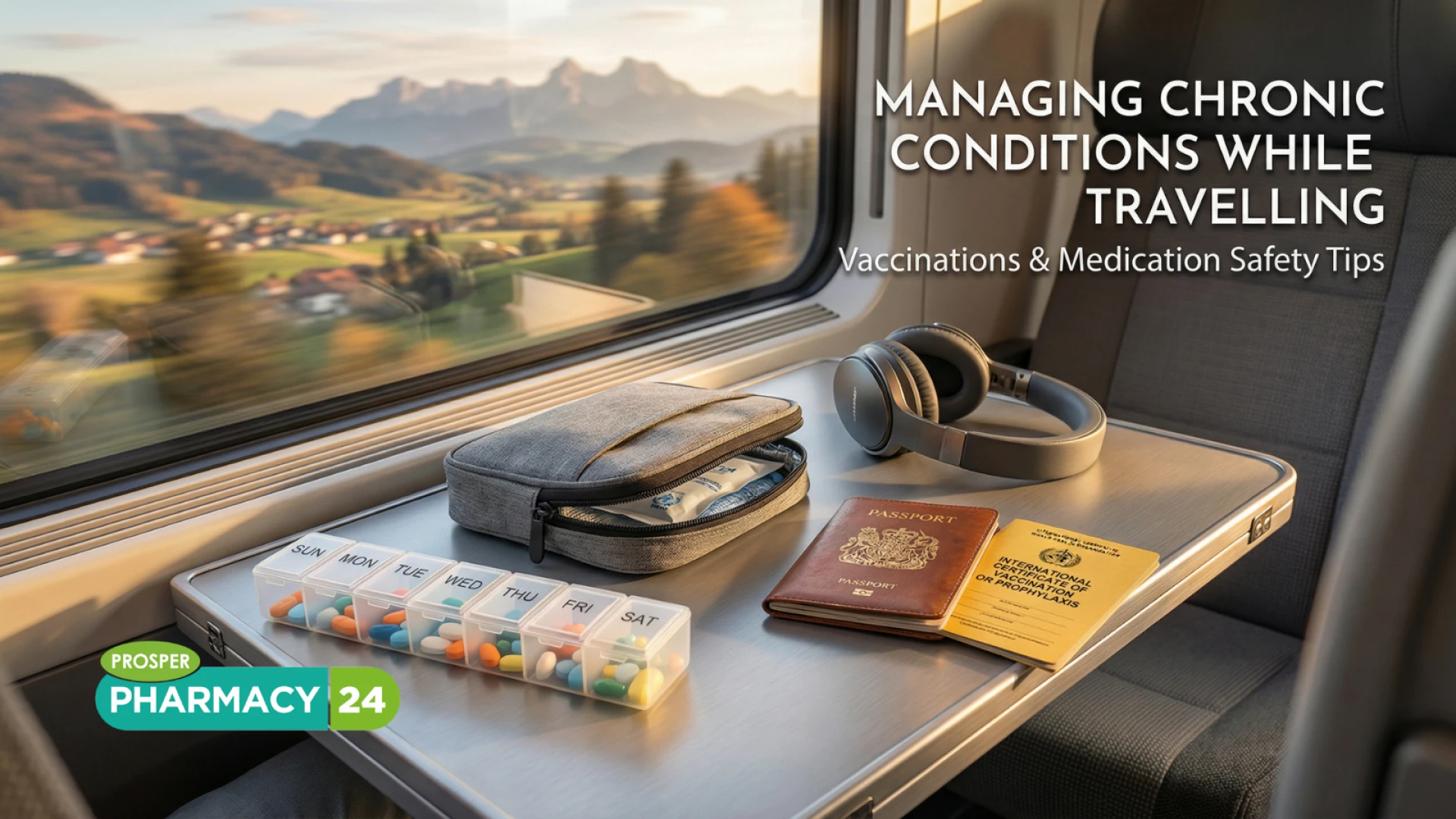
Along with documents, pack a simple health kit including:-
- Insect repellent
- Hand sanitizer
- Oral rehydration salts
- Basic first-aid supplies
- Any personal medications
This small preparation step prevents common travel illnesses.
Step 5 - Practice Preventive Measures During Your Entire Trip
Vaccines are only one layer of protection.
Your behavior during travel matters just as much-especially when you’ve had limited time to prepare.
Follow these key precautions:-
- Drink bottled or purified water
- Avoid undercooked or street-side food in high-risk areas
- Use insect repellent and protective clothing
- Wash hands frequently
- Avoid contact with stray animals
- Stay indoors during peak mosquito hours (dusk to dawn)
These habits significantly reduce the risk of food-, water-, and vector-borne diseases.
Quick, Reliable Travel Health Solutions - Trusted by Travellers Across Surrey
Tips & Best Practices for Frequent or Business Travelers
1. Keep Your Routine Vaccines Updated Year-Round
Routine vaccines such as MMR, Tdap, polio, and influenza form the foundation of travel health.
If you stay updated regularly, you don’t need to worry about these when a sudden international trip pops up. It saves time and prevents last-minute clinic visits.
2. Maintain a Personal Vaccination Record
Keep a digital and physical copy of your vaccines, including any travel-specific ones you’ve received in the past.
A simple smartphone note or cloud document ensures you never lose track of:-
- Dates of previous vaccines
- Expiry or booster timelines
- Certificates like the yellow fever ICVP (“yellow card”)
Having this information handy helps clinicians make faster recommendations.
3. Use a Dedicated Travel Health Clinic
Travel clinics stay updated on international outbreaks, new vaccine guidance, and region-specific risks.
General doctors often don’t stock vaccines like yellow fever, typhoid, or meningococcal ACWY.
A travel clinic can provide:-
- Last-minute appointments
- Specialist advice
- Destination-tailored care
- Accurate paperwork for border requirements
4. Consider Pre-Exposure Protection for High-Risk Regions
If you travel frequently to areas with risks such as rabies, Japanese encephalitis, or typhoid, consider starting multi-dose vaccine series when you’re not under time pressure.
That way, future sudden trips become less complicated.
5. Always Pack a Travel Health Kit
A small kit prevents common illnesses that can derail your trip more than anything else. Include:-
- Insect repellent
- Oral rehydration salts
- Basic first aid supplies
- Anti-diarrheal medication
- Prescription meds (enough for the whole trip + extra)
Even with limited time to prepare, this kit ensures you’re protected from the most common travel ailments.
FAQs
1. Do I need vaccines if I’m traveling abroad last minute?
Yes. Even with only a few days before departure, you can still get important vaccines like hepatitis A, typhoid, influenza, and others that offer partial or fast-developing protection. Some vaccines are required for entry, so last-minute travelers should act quickly.
2. Which vaccines are mandatory for international travel?
Yellow fever, meningococcal ACWY (for Hajj/Umrah), and polio proof are the most common mandatory vaccines. Requirements depend on your destination and transit countries. Always check updated guidelines from the CDC or WHO.
3. Can I get vaccinated just days before international travel?
Absolutely. Many vaccines provide meaningful protection even when given shortly before departure. Single-dose vaccines like hepatitis A or typhoid injectable work quickly, and partial immunity still reduces risk.
4. How do I check which vaccines I need for my destination?
Use authoritative resources like the CDC travel site or WHO travel health pages. These platforms provide country-specific vaccine requirements, recommended vaccines, and disease-risk maps.
5. Is it safe to travel internationally without full immunity?
Complete immunity is ideal, but not always possible with last-minute plans. Vaccines still provide partial defense early on, and preventive behaviors-safe food practices, insect protection, clean drinking water-reduce risk considerably.
Get Prepared for Your Trip with No-Wait, Best-Rated Travel Consultations in Surrey
Conclusion
Last-minute international travel doesn’t have to mean traveling unprotected. Even with just a few days to prepare, you can make smart, fast decisions that significantly reduce health risks. Start by reviewing your destination’s requirements, then contact a travel-health clinic immediately.
Focus on high-impact vaccines, gather proper documentation, and follow preventive habits throughout your trip.
Vaccinations are more than bureaucratic requirements-they’re one of the most effective ways to protect yourself when crossing borders.
With a clear plan and the right steps, last-minute travelers can stay safe, reduce complications, and enjoy their journey with peace of mind.
How to Prepare for Your Travel Vaccine Appointment
Preparing properly for your travel vaccine appointment ensures that you receive the correct immunizations and accurate health guidance for your destination.
Before your visit, gather key travel details such as your departure date, countries you will visit, length of stay, and planned activities.
Bring your vaccination history if available, as this helps determine which vaccines are required, recommended, or optional. It is also important to schedule your appointment well in advance-ideally 4 to 6 weeks before travel-to allow time for multi-dose vaccines or immunity development.
During your consultation, a trained travel health professional will review your medical history, assess destination-specific risks, and recommend vaccines that align with global travel guidelines.
Surrey residents can access fast and reliable travel consultations at Prosper Pharmacy 24, where licensed pharmacists provide personalized advice and convenient same-day appointments.
📍 Visit Prosper Pharmacy 24 for Your Travel Vaccine Appointment
12818 72 Ave Unit#2&3, Surrey, BC V3W 2M9
📞 604-543-6677
🗺️ Google Maps:- https:-//share.google/qh3hpHHyEKEjXHksf
🔗 Book Your Travel Vaccine Appointment:- https:-//prosperpharmacy.ca/book-now/

























Sign in to leave a comment.