

Dental infections are often dismissed as a minor tooth problem that can wait until the weekend or the next payday. Unfortunately, delaying treatment can quickly turn a manageable issue into a painful and costly emergency. Many Australians only seek help once the swelling becomes severe or the pain starts affecting sleep, eating or work.
A dental infection does not usually improve on its own. In many cases, the bacteria continue spreading deeper into the tooth, gums and surrounding tissues. Even a delay of one week can make a noticeable difference to your oral health and overall wellbeing.
What Is a Dental Infection?
A dental infection, commonly called a tooth infection or dental abscess, happens when bacteria enter the inner part of the tooth or gum tissue. This can develop because of untreated decay, cracked teeth, gum disease or previous dental trauma.
Inside every tooth is a soft tissue area called the pulp. Once bacteria reach this area, inflammation and infection begin. The body reacts by sending white blood cells to fight the bacteria, which can lead to pus formation, swelling and pressure around the tooth.
Some infections remain localised for a short time, while others spread rapidly into the jaw, face or bloodstream.
Day 1 to Day 2: Mild Pain and Sensitivity
During the first couple of days, many people notice discomfort while chewing or sensitivity to hot and cold drinks. The pain may feel manageable, which is why treatment is often delayed.
Common early symptoms include:
- Throbbing tooth pain
- Mild gum swelling
- Sensitivity to pressure
- Bad taste in the mouth
- Slight facial discomfort
At this stage, some people rely on painkillers or home remedies. While these may temporarily reduce discomfort, they do not remove the infection itself.
Day 3 to Day 4: Swelling and Increasing Pain
By the middle of the week, the infection often becomes more aggressive. Swelling may appear around the gums, cheek or jawline. Pain can become constant and more difficult to ignore.
You may also notice:
- Difficulty eating
- Pain spreading to the ear or neck
- Swollen lymph nodes
- Bad breath that does not improve
- Trouble sleeping because of pain
This is usually the point where many patients start searching for an emergency dentist. Unfortunately, waiting longer increases the risk of complications.
Day 5 to Day 7: Serious Health Risks Can Develop
After nearly a week without treatment, the infection can spread beyond the tooth. In severe cases, bacteria travel into surrounding tissues and even enter the bloodstream.
Possible complications include:
Facial Swelling
Swelling can become significant enough to affect speaking, eating or opening the mouth properly. Some infections spread into the cheeks and jaw, creating visible facial asymmetry.
Fever and Fatigue
Once the body starts fighting a larger infection, fever, chills and tiredness may appear. This indicates the infection is no longer isolated to the tooth alone.
Difficulty Swallowing or Breathing
This is considered a medical emergency. Severe swelling around the jaw or throat can affect the airway and requires immediate treatment.
Bone Damage
Untreated dental infections can begin damaging the surrounding jawbone and nearby teeth. This may result in more complex dental procedures later.
Tooth Loss
In some cases, the tooth can no longer be saved because the infection has destroyed too much of the internal structure.
Why Home Remedies Are Not Enough
Salt water rinses, clove oil and over the counter pain relief may help reduce symptoms temporarily, but they cannot eliminate deep bacterial infection. Antibiotics alone are also not always enough if the infected tooth is not properly treated.
Professional dental care is usually required to remove the source of infection through procedures such as:
- Root canal treatment
- Dental drainage
- Deep cleaning
- Tooth extraction in severe cases
Early treatment is normally faster, less painful and less expensive compared to delayed emergency care.
Who Is Most at Risk?
Some people are more vulnerable to complications from dental infections, including:
- People with diabetes
- Smokers
- Older adults
- Patients with weakened immune systems
- Individuals with untreated gum disease
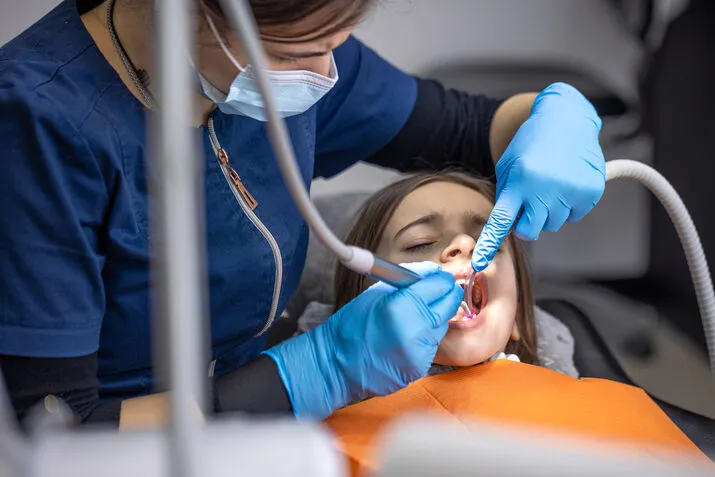
Children can also develop serious infections quickly because their immune systems are still developing.
When Should You See an Emergency Dentist?
You should seek urgent dental care if you experience:
- Persistent tooth pain
- Swelling in the gums or face
- Fever with dental pain
- Pus or discharge around the tooth
- Pain while swallowing
- Difficulty breathing
Ignoring these warning signs can place both oral health and general health at risk.
Final Thoughts
A dental infection is not something to “wait out” for another week. What starts as mild discomfort can rapidly progress into severe pain, facial swelling and potentially dangerous complications. The earlier the infection is treated, the better the outcome is likely to be.
If you notice symptoms of a dental infection, arranging prompt dental care may help save the tooth, reduce treatment costs and protect your overall health.






























Sign in to leave a comment.