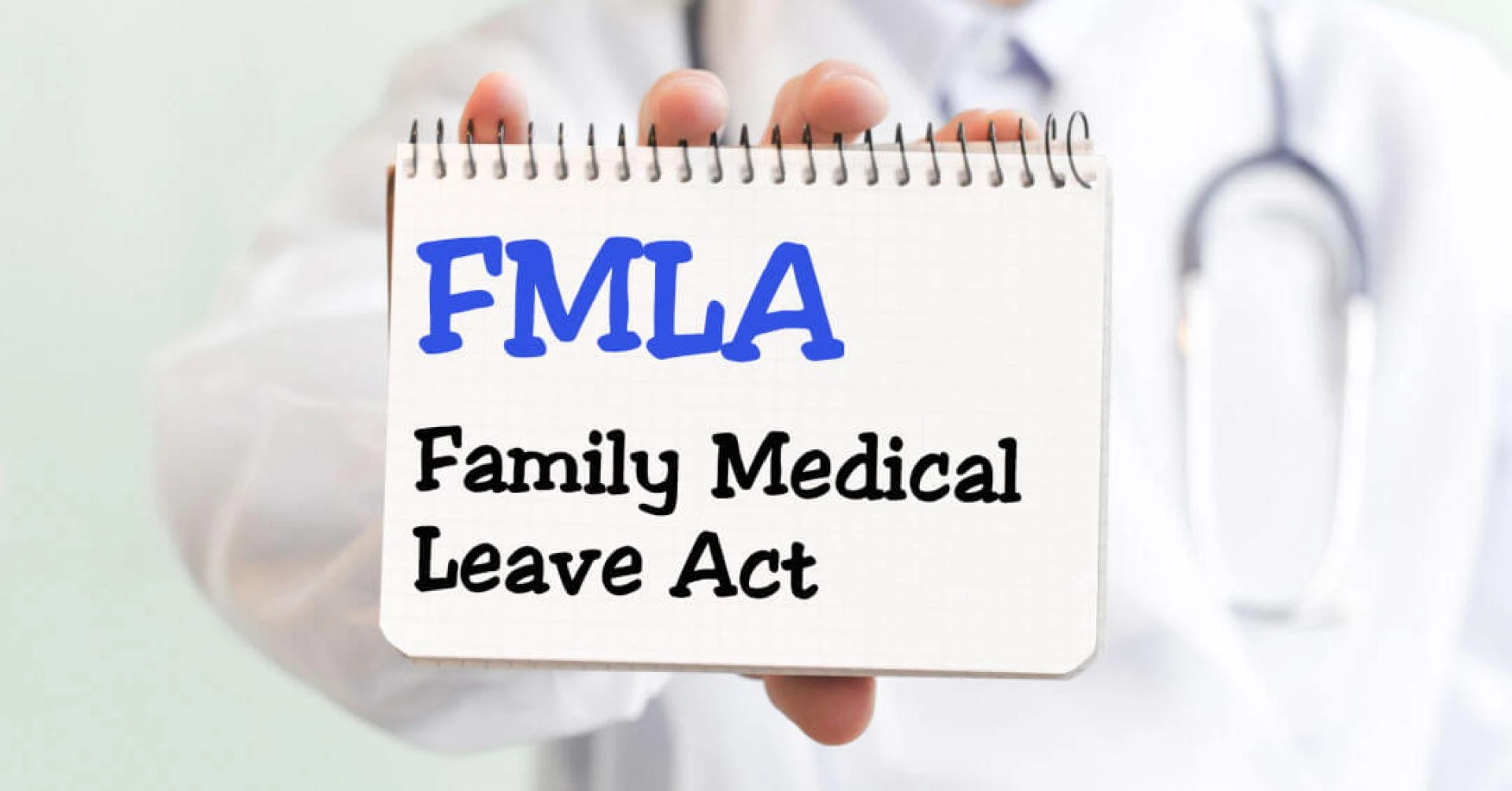

As workplace regulations continue to evolve, employers in 2026 face growing challenges in managing employee leave, accommodations, and injury-related claims. The intersection of the Family and Medical Leave Act (FMLA), the Americans with Disabilities Act (ADA), and Workers’ Compensation creates complex compliance responsibilities especially with recent FMLA Updates and Workers’ Comp Updates for 2026.
Understanding how these laws work together is critical for reducing legal risk, maintaining consistent policies, and supporting employees effectively.
Why Overlapping Employment Laws Matter
Each of these laws serves a distinct purpose, yet they often apply to the same employee situation:
- FMLA provides eligible employees with job-protected leave for qualifying medical and family reasons
- ADA requires reasonable accommodations for employees with disabilities
- Workers’ Compensation covers work-related injuries and illnesses
When an employee experiences a serious health condition or workplace injury, employers may be required to comply with all three laws simultaneously. Mismanaging one can trigger violations under another.
What’s Changed in 2026?
Regulatory focus in 2026 emphasizes stronger documentation, clearer communication, and coordinated compliance.
Notable developments include:
- Expanded interpretations under recent FMLA Updates, especially around intermittent and extended leave
- Increased scrutiny of ADA interactive processes and return-to-work decisions
- New Workers’ Comp Updates for 2026 that reinforce timely reporting and modified-duty programs
These changes require employers to move beyond siloed HR practices.
Common Scenarios Where Laws Intersect
Understanding overlap starts with recognizing high-risk situations.
Frequent overlap examples:
- A workplace injury that qualifies for Workers’ Comp and FMLA
- An employee returning from Workers’ Comp leave who needs ADA accommodations
- FMLA leave exhaustion followed by continued medical restrictions
In each case, compliance with one law does not eliminate obligations under the others.
FMLA Updates and Leave Management in 2026
Recent FMLA Updates place added responsibility on employers to accurately designate and track leave.
Key compliance points include:
- Designating Workers’ Comp leave as FMLA when applicable
- Tracking intermittent leave consistently
- Avoiding actions that could be viewed as interference or retaliation
Proper documentation is essential to demonstrate compliance during audits or disputes.
ADA Considerations After Leave Ends
A critical compliance risk arises when employers assume their obligations end after FMLA leave is exhausted. In reality, ADA responsibilities often begin at that point.
Employers must:
- Engage in a documented interactive process
- Evaluate reasonable accommodations on a case-by-case basis
- Consider extended leave or modified duties when appropriate
Automatic termination policies following leave exhaustion are a common source of ADA violations.
Workers’ Comp Updates for 2026 and Employer Impact
Workers’ Compensation requirements continue to evolve, particularly at the state level.
Key trends employers should note:
- Greater emphasis on early return-to-work planning
- Increased coordination between Workers’ Comp and ADA accommodations
- Stricter timelines and reporting standards
Failing to integrate Workers’ Comp with HR and compliance processes increases exposure to claims and penalties.
Best Practices for Coordinated Compliance
To manage overlapping obligations effectively, employers should adopt a unified approach.
Recommended strategies include:
- Aligning HR, safety, and legal teams
- Maintaining consistent documentation across all laws
- Training supervisors to recognize overlapping triggers
- Avoiding one-size-fits-all policies
Implementing structured Compliance Training Solutions helps ensure managers and HR teams apply the laws correctly and consistently.
The Role of Compliance Training Solutions
As regulations become more complex, ongoing education is essential. Relying on outdated guidance or informal training leaves organizations vulnerable.
Effective Compliance Training Solutions can:
- Clarify how FMLA Updates affect day-to-day decisions
- Explain Workers’ Comp Updates for 2026 in practical terms
- Provide real-world scenarios and case studies
- Improve confidence during audits and investigations
Training transforms compliance from a reactive task into a proactive strategy.
Preparing for 2026 and Beyond
The overlap between FMLA, ADA, and Workers’ Compensation is not a temporary challenge it’s a permanent reality of modern employment law. Employers who proactively understand and coordinate these obligations will be better positioned to protect both their workforce and their organization.
By staying current with FMLA Updates, monitoring Workers’ Comp Updates for 2026, and investing in reliable Compliance Training Solutions, employers can navigate complex employee situations with confidence, consistency, and compliance.


























Sign in to leave a comment.